
I remember standing in the garden of a lovely 1930s semi in Chawton last autumn, watching a young couple look absolutely crestfallen. They’d just exchanged contracts on what they thought was their forever home, only to discover a utility company had a legal right to dig up their prize rose garden whenever they fancied. They kept asking me, with that panicked look in their eyes, what is an easement exactly, as if the answer were some complex piece of sorcery. In reality, it’s much simpler and far more intrusive than the solicitors usually make it sound; it’s just an invisible line on a map that lets someone else use your land for a specific reason.
I’m not here to drown you in legalese or charge you a surveyor’s fee just to tell you the basics. My goal is to give you the straight talk on how these rights actually work when you’re standing on your own doorstep. I’ll explain the different types you might run into—from shared driveways to those pesky drainage pipes—and tell you exactly what to look for before you sign on the dotted line.
Table of Contents
- The Easement Legal Definition and the Reality on the Ground
- Easement Types and Examples You Will Actually Encounter
- A few things I’ve learned from thirty years of looking at deeds and boundaries
- A few things to keep in mind before you sign
- More than just lines on a map
- A final word on the matter
- Frequently Asked Questions
The Easement Legal Definition and the Reality on the Ground
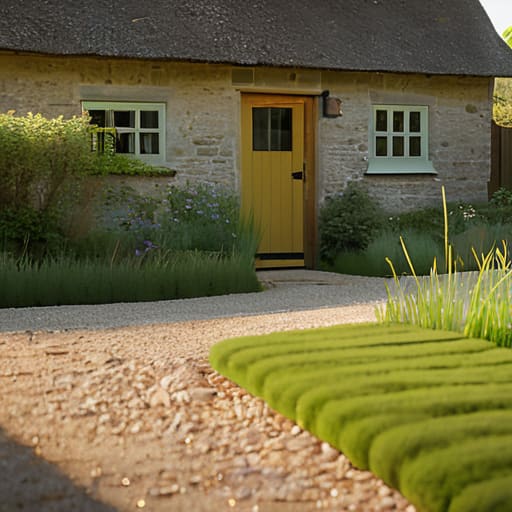
If you look up the formal easement legal definition in a textbook, it’ll talk about non-possessory interests and legal rights to use land. It’s dry stuff. But in the real world, it’s much more tactile. I remember a case back in 1994 involving a cottage near Chawton; the owners were incensed because a neighbour had a right of way across their driveway to reach a detached garage. In that scenario, the cottage was the servient estate—the land providing the service—while the neighbour held the dominant estate. It isn’t about owning the dirt itself, but about who has the right to step on it.
You’ll often find these rights tied to the land rather than the person, which is what we call an easement appurtenant. However, you might also run into an easement in gross, which is more common with utility companies; they don’t care who lives in your house, they just need that pipe or cable to stay where it is. Whether it’s a written agreement or a prescriptive easement explained through years of someone simply walking the same path without being stopped, these rights are the invisible threads that hold a property’s value together.
Easement Types and Examples You Will Actually Encounter

Now, you won’t find these listed on a typical estate agent’s glossy brochure, but they dictate how you actually use your land. Most commonly, you’ll run into what we call an appurtenant easement, which is tied directly to the land itself. If your neighbour’s cottage sits behind yours and they have no access to the main road, they likely hold a right of way over your driveway. In this scenario, they hold the dominant estate (the one benefiting), while your property is the servient estate (the one being used). It’s a common setup in these older villages where the lanes were never designed for modern access.
Then there is the more personal side of things, often referred to as an easement in gross. This isn’t about a neighbour, but rather a specific entity—like the water board or the electric company—having a right to run cables or pipes under your garden. You might also encounter a prescriptive easement, which is a bit more complicated. This happens when someone has used a path or a shortcut across your land so consistently for many years that it eventually becomes a legal right. I’ve seen many a heated parish meeting over a footpath that “wasn’t there twenty years ago.”
A few things I’ve learned from thirty years of looking at deeds and boundaries
- Don’t just trust the fence line. I’ve seen plenty of homeowners assume their garden ends where the hedge begins, only to find out a neighbour has a right of way through the middle of it that’s been there since the 1920s. Always check the formal deeds, not just what looks tidy.
- Get a professional to look at the paperwork before you buy. When I was valuing properties in the villages around Salisbury, the biggest headaches weren’t the damp or the roof tiles; they were the “hidden” easements for drainage or access that the seller hadn’t bothered to mention.
- Remember that an easement isn’t just about walking across a lawn. It can be much more intrusive, like a utility company having a permanent right to dig up your driveway to reach a water main. If you’re planning any major landscaping, you need to know exactly where those invisible lines sit.
- If you think a neighbour is overstepping, don’t just start an argument over the garden gate. An easement is a specific legal right, not a polite suggestion. If they aren’t using the path in the way the deed specifies, you’ll need a surveyor or a solicitor to settle it, not a shouting match.
- Watch out for “implied” easements. Even if it isn’t written in plain English on a piece of paper you can hold, a right of way can become established simply through years of consistent use. It’s a bit like those old footpaths through the woods—they become part of the landscape whether you like it or not.
A few things to keep in mind before you sign
Don’t just trust the paperwork; if you think a neighbour has a right of way across your back garden, go out and look for the worn path or the gate that’s been used for twenty years.
An easement isn’t just a bit of legal jargon—it can fundamentally change what you can do with your land, from where you build a new shed to how you manage your privacy.
Always check the deeds properly during a property search, because discovering a hidden right of access for a utility company after you’ve moved in is a much harder conversation to have.
More than just lines on a map
“You can look at a property deed all day long, but you won’t truly understand an easement until you’re standing in your own back garden and realise the man from the water board has a legal right to walk right through the middle of your flowerbeds.”
Gordon Ellery
A final word on the matter
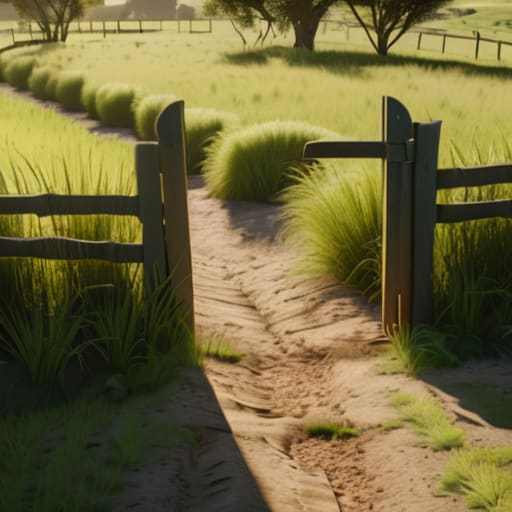
At the end of the day, whether you are dealing with a right of way that cuts through your back paddock or a utility company that needs to dig up your driveway to reach a main, an easement is simply a piece of the legal puzzle that defines how land is shared. It isn’t just some abstract concept found in a dusty solicitor’s folder; it is the practical reality of how a property functions within its surroundings. I have seen many a good sale fall through at the last minute because a buyer discovered a hidden access right that wasn’t clearly marked on the old plans. My advice is to always check the deeds before you get too attached to a new front door, because once that right is etched into the title, it is there to stay.
We often spend so much time looking at the new kitchen extensions or the way the light hits the garden that we forget a house sits within a wider web of connections. A home is more than just four walls and a roof; it is part of a community and a landscape that requires balance. Understanding these invisible lines doesn’t just protect your investment, it helps you live more harmoniously with your neighbours and the land itself. After thirty years of looking at boundaries, I’ve learned that knowing where you stand is the best way to make sure you feel truly at home.
Frequently Asked Questions
If I buy a house with an easement already in place, can I actually stop the neighbour from using it?
Short answer: No, not if it’s properly registered. If you buy a house with an easement, you’re buying the rights that come with it—burden and all. I’ve seen plenty of newcomers try to put up a gate or a hedge to block a right of way, only to find the solicitors sorting it out within a week. You can’t just wish away a legal right. If they’re using it within the rules, you’ll have to let them pass.
How do I find out if there's a hidden easement on my property if it isn't mentioned in the sales brochure?
You can’t always trust a glossy sales brochure; they’re designed to show the view, not the plumbing. Start by digging out your Title Register and Title Plan from the Land Registry—that’s your starting point. If it’s still unclear, look for physical clues: a paved path cutting through a garden or a utility manhole in an odd spot. If you’re still stuck, call your solicitor. It’s better to find it now than when a contractor shows up.
Can an easement expire if the person who needs it moves away or stops using the path?
It’s a common question, usually asked over a garden fence. The short answer is: rarely. Most easements are “appurtenant,” meaning they are tied to the land, not the person. If old Mr. Henderson had a right of way to reach his cottage, that right stays with the cottage even after he moves to Cornwall. However, if it’s been ignored for decades without a single footstep, someone might argue it’s been abandoned—but that’s a difficult legal mountain to climb.