I remember standing in a draughty hallway in a mid-Victorian terrace near Salisbury back in ’94, watching a homeowner point at a tiny hairline fracture with a look of pure terror. They’d spent a small fortune on a “specialist structural assessment” that essentially told them what I could see from the kerb: the clay soil was just thirsty. People tend to treat the mere mention of movement like a death sentence for their mortgage, but knowing how to spot subsidence isn’t about panicking over every little line in the wallpaper. It’s about knowing the difference between a house that’s simply settling into its bones and one that is actually losing its footing.
I’m not here to sell you a high-priced survey or scare you into a renovation you don’t need. Instead, I’m going to share what I’ve learned from thirty years of looking at bricks, mortar, and shifting foundations. I’ll show you exactly which cracks to watch, how to tell if they’re growing, and when it’s time to actually call in the professionals.
Table of Contents
- Reading the Diagonal Wall Cracks Meaning in Your Plaster
- Spotting the Subtle Structural Movement Indicators
- Five things to look for before you call the surveyor
- Three things to keep in mind before you call the builder
- ## A lesson from the rafters
- A bit of advice before you call the builder
- Frequently Asked Questions
Reading the Diagonal Wall Cracks Meaning in Your Plaster
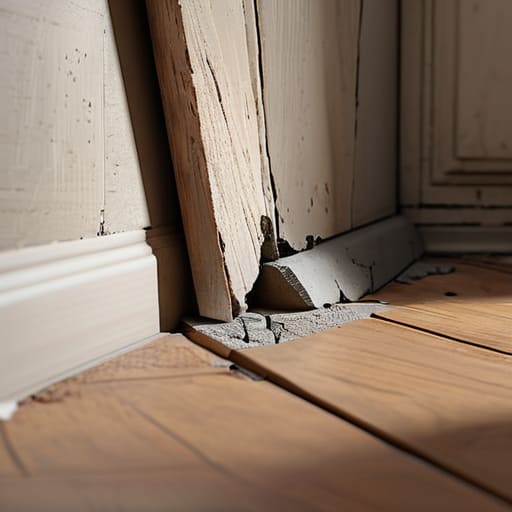
Now, if you’re standing in your hallway and notice a crack running at an angle, don’t panic just yet, but do pay attention. Most people see a line in the plaster and think it’s just the house settling into its bones—which it often is, especially in these older cottages around here. However, when you’re looking at diagonal wall cracks meaning something more serious, you have to look at the direction. A crack that starts wide at the top and narrows as it goes down towards a window or a door is a classic sign of trouble. It usually suggests that one corner of the building is dropping lower than the rest, a common result of soil shrinkage and swelling during those particularly dry spells we’ve been having lately.
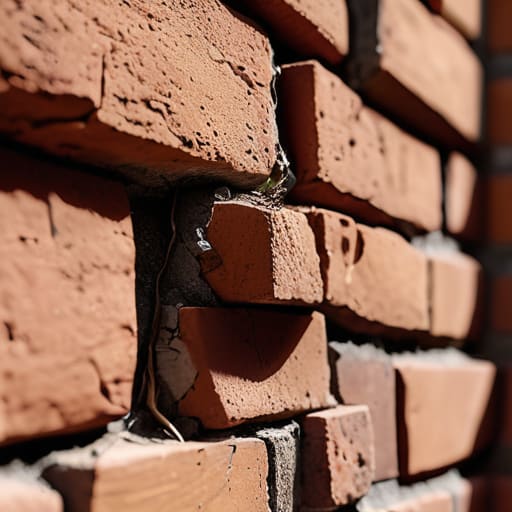
I’ve seen plenty of these “staircase” cracks in masonry over the years. If the line follows the mortar joints in a jagged, step-like pattern, it’s a primary one of those structural movement indicators you shouldn’t ignore. If that crack is wider than a couple of millimetres, or if you can see light through it, it’s time to stop squinting and start calling in a professional.
Spotting the Subtle Structural Movement Indicators
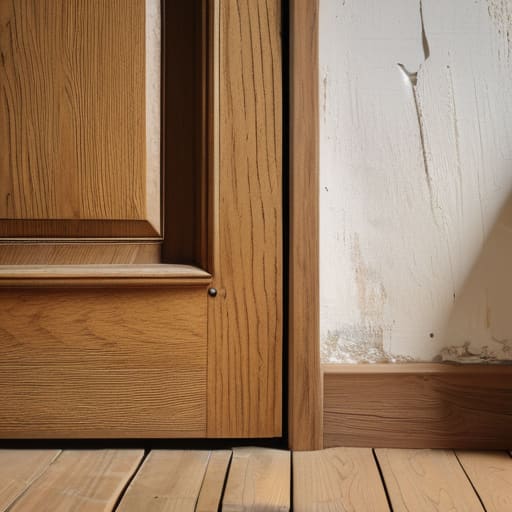
It isn’t always the big, gaping fissures that give the game away; often, it’s the small, nagging things that catch you out. I remember a cottage near Chawton—built, I believe, around 1840—where the owner thought a sticking door was just an old house being temperamental. It wasn’t. It was a classic sign of foundation settlement symptoms manifesting in the very frame of the building. If you notice your internal doors suddenly refusing to latch, or a window frame that won’t quite sit flush in its casing, don’t just sand the wood down and hope for the best.
You also need to keep a sharp eye on the external masonry, particularly around the lintels. I’ve spent many a Tuesday peering at brickwork, looking for those tiny, stepped gaps that suggest the earth beneath is playing games. We see a lot of this lately due to soil shrinkage and swelling, especially during those long, dry spells we’ve been having. If the ground pulls away from the base of the wall, even by a fraction of an inch, the house will eventually try to follow it.
Five things to look for before you call the surveyor
- Check your door frames and window casements. If you find you’re having to shoulder a heavy oak door just to get it to latch, or if a window that sat perfectly flush last summer is suddenly sticking, the frame is likely twisting because the ground beneath it has moved.
- Keep an eye on the external brickwork, specifically around the corners of the house. I’ve seen plenty of Victorian terraces where the mortar starts to pull apart in a stepped pattern; if those gaps are widening month by month, the foundation is struggling.
- Look for “telltale” signs in your garden. If you have a paved patio or a low garden wall—perhaps one built around the time the post-war housing boom hit in the late 40s—and you notice it’s tilting or pulling away from the main house, it’s often a sign the soil is shrinking.
- Watch the way your floors feel underfoot. It isn’t just about a slight slope; it’s about that unsettling feeling when you walk across a room and it feels like you’re traversing a gentle hill. If the floorboards are creaking in places they never did before, something is shifting.
- Inspect the gutters and downpipes. If you notice they are pulling away from the masonry or if the rainwater seems to be pooling in odd spots along the line, it’s often because the eaves are no longer sitting level with the ground.
Three things to keep in mind before you call the builder
Don’t panic over every hairline crack; if it’s just a tiny fissure in the paintwork, it’s likely just the house settling into its bones, but if that crack is wide enough to slip a ten-pence piece into, you’ve got a proper problem.
Watch your doors and windows like a hawk, because if they’ve suddenly started sticking or refusing to latch properly, it’s usually a sign that the frame is being pulled out of alignment by something moving below.
Keep a close eye on the ground around your foundations, particularly if you see new gaps opening up between your paving slabs or the soil pulling away from the brickwork, as that’s often the first sign the earth is shifting.
## A lesson from the rafters
“You can buy all the fancy moisture meters you like, but they won’t tell you what a seasoned eye can: if those cracks are widening faster than the seasons change, the ground is telling you something, and it’s usually something expensive.”
Gordon Ellery
A bit of advice before you call the builder
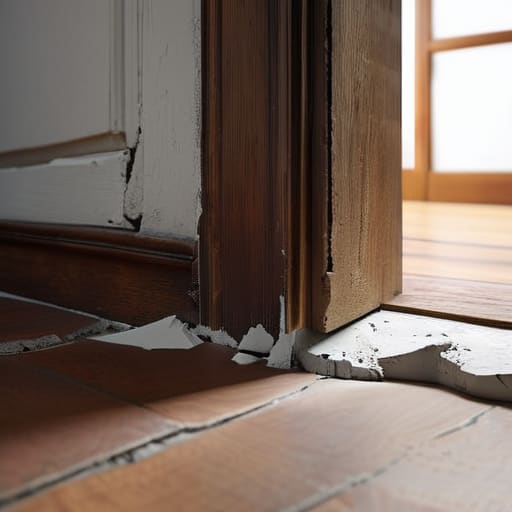
If you have spent the morning checking your door frames for sticking or squinting at those diagonal cracks in the plaster, don’t panic just yet. Remember, a few hairline fractures in an old Victorian terrace—the kind we see all over this part of the county—might just be the house settling into its bones. However, if you see the cracks widening or notice your windows suddenly refusing to latch, you need to stop looking and start acting. Keep a close eye on those movement indicators we discussed, and if things look more serious than a bit of seasonal shrinkage, get a professional surveyor out before the problem becomes a properly expensive headache.
At the end of the day, a house is more than just bricks, mortar, and a bit of damp lintel; it is the container for your life. I have seen many a fine home suffer because a homeowner ignored a small sign until it became a structural catastrophe. Taking care of your property is a lot like maintaining a dry stone wall—it requires patience, a keen eye, and the understanding that small gaps can lead to big collapses if left untended. Look after your home, keep an eye on the ground around your foundations, and you will find that a sturdy house provides a steady foundation for everything else that matters.
Frequently Asked Questions
Is that crack in the brickwork just old lime mortar crumbling away, or is the whole wall actually moving?
It’s the question I get most often at the village shop. If it’s just the lime mortar turning to dust—which happens quite a bit in these older cottages, especially those built before 1900—you’ll see shallow, surface-level gaps. But if that crack is wider at the top than the bottom, or if you can see daylight through the brick itself, that’s not just age. That’s the ground moving, and you’ll need a professional.
If I notice the doors sticking in their frames, do I need to call a structural engineer immediately?
Now, don’t panic just yet. I’ve seen plenty of Victorian cottages where the doors have been sticking since the Great War simply because the timber has swelled in the damp. If it’s just one door in a humid room, it’s likely just the weather. But if you notice several doors across different floors all suddenly refusing to latch, or if the frames look skewed, then yes—get an engineer in. That’s movement, not just seasonal swelling.
How can I tell if the movement is just the house settling into its foundations or something more serious like tree roots pulling the soil away?
The difference usually comes down to timing and the garden. Settling is a one-off event, often happening in those first few years after a build, and the cracks tend to stay quiet once they’ve appeared. But if those cracks grow wider during a dry summer, you’re likely looking at something more troublesome. It’s usually the trees—those big oaks or poplars near the boundary—sucking the moisture out of the clay and pulling the ground right from under your footings.