
I was out near the old mill on Saturday, attempting to mend a section of dry stone wall that had succumbed to the frost, when I realized my left heel was throbbing with a dull, persistent ache. It wasn’t a sudden snap, but rather the sort of slow betrayal you get when you’ve spent decades walking uneven ground without a second thought. Most people will tell you that learning how to care for your feet requires expensive silicone inserts or those fancy, scented creams you see in the chemist’s window, but I’ve never had much use for nonsense. After thirty years of surveying properties from the cellar to the chimney stack, I’ve learned that if you don’t attend to the foundation, the whole structure eventually starts to lean.
I’m not here to sell you a lifestyle or a miracle cure. Instead, I’m going to share what I’ve learned from a lifetime of walking the long way round and standing on hard surfaces. I’ll tell you which simple habits actually keep you moving and which ones are just a waste of good money. If you want the truth about how to keep yourself upright and mobile, you’ll find it here—no fluff, just the facts.
Table of Contents
- Preventing Foot Blisters and Finding Proper Arch Support
- Managing Plantar Fasciitis After a Long Hard Day
- A few practicalities for keeping your feet moving
- A few things to remember before you head out
- A foundation you can't afford to ignore
- A final word on the long walk ahead
- Frequently Asked Questions
Preventing Foot Blisters and Finding Proper Arch Support
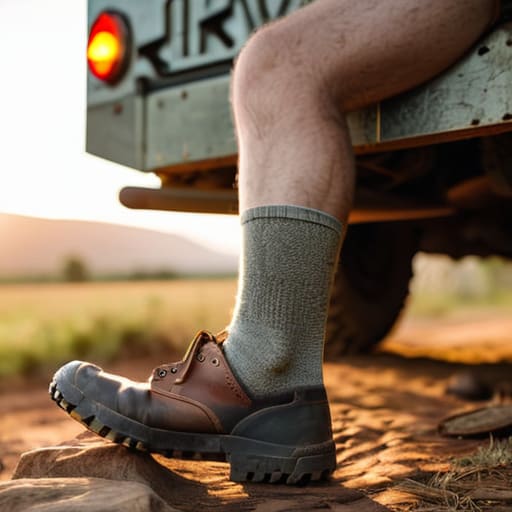
If you’ve ever spent a Saturday afternoon trying to mend a dry stone wall near the old mill, you’ll know the feeling of a hot spot developing on your heel. It starts as a dull throb, and before you know it, you’re limping back to the Land Rover. I’ve found that preventing foot blisters is less about fancy creams and more about the socks you choose; stay away from those thick, synthetic ones that trap heat and go for a proper thin wool blend instead. If you feel a rub starting, stop immediately. It is much easier to apply a bit of tape then than to deal with a weeping blister by tea time.
The other thing people tend to overlook is the structure of the foot itself. I spent years inspecting floorboards, but I’ve learned just as much about the ground beneath us. If you find yourself with a sharp pain in your heel first thing in the morning, you might be managing plantar fasciitis without even realising it. Most of the trainers people buy these days are far too soft. You need something with proper arch support to keep your alignment right, especially if you’re walking the uneven lanes around the village.
Managing Plantar Fasciitis After a Long Hard Day
There is a particular kind of ache that sets in when you’ve spent the day walking the perimeter of a site or perhaps just doing too much gardening in the bottom field. It’s that sharp, stabbing sensation right in the heel, usually most noticeable when you take those first few steps out of bed the next morning. I’ve spent enough time on my feet to know that managing plantar fasciitis isn’t about a quick fix; it’s about being patient with your body when it decides to protest.
I find that after a long, hard day, a bit of manual intervention goes a long way. I usually keep a frozen water bottle in the bottom of the freezer—it’s a simple trick, but rolling your foot over the cold surface for ten minutes does wonders for the inflammation. It’s not quite as effective as a professional treatment, but the foot massage benefits you get from a bit of targeted pressure can stop that tightness from turning into a long-term problem. If you find yourself constantly fighting that heel pain, it might be worth looking at your footwear again, but for tonight, just get the ice on it and sit down.
A few practicalities for keeping your feet moving
- Don’t ignore the state of your soles; I’ve seen enough damp cottages to know that moisture is the enemy, so make sure you dry thoroughly between your toes after a soak, or you’ll be dealing with skin that’s more trouble than a leaky roof.
- Check your footwear for wear and tear every few months, because once the tread on your walking boots goes thin—usually after about five hundred miles of village lanes—you lose that grip that keeps you steady on the mud.
- Keep a decent pair of thick cotton socks in rotation rather than those thin synthetic ones, as they do a much better job of managing the sweat and preventing that friction that leads to a nasty hot spot.
- If you’ve been standing on hard kitchen tiles or gravel all day, give your feet a proper rest with a bit of elevation; it’s a simple thing, but it stops that heavy, throbbing feeling that makes getting to the shop a chore.
- Pay attention to any changes in how your feet feel, because a small ache in the heel or a bit of numbness isn’t just “getting older”—it’s your body telling you that something, likely your shoes or your gait, isn’t quite right.
A few things to remember before you head out
Don’t let your boots get too old; once the tread wears thin or the leather loses its shape, they’ll start punishing your joints more than they help them.
If you’ve spent the day on your feet, take ten minutes to get your socks off and give your skin a proper look—it’s much easier to catch a small problem before it becomes a reason to stay in bed.
Invest in a decent pair of insoles if your shoes aren’t doing the job; I’ve seen enough people walking with a limp just because they were too stubborn to spend twenty quid on some support.
A foundation you can't afford to ignore
I’ve spent thirty years walking through drafty semi-detached houses and measuring floor levels, and I’ve learned one thing for certain: if the foundation is cracked, nothing else in the house will ever sit quite right. Your feet are no different. You can buy the most expensive boots in the shop, but if you aren’t listening to the ache in your arches, you’re just building on sand.
Gordon Ellery
A final word on the long walk ahead
At the end of the day, looking after your feet isn’t about complicated medical regimes or buying the most expensive gadgets in the shop. It comes down to the basics we’ve discussed: picking a shoe that actually respects your arch, keeping a sharp eye on those blisters before they turn into real trouble, and giving yourself a moment to stretch out that plantar fascia when the evening settles in. I’ve spent thirty years walking through drafty properties and uneven garden paths, and I can tell you that neglect is a slow process. If you ignore the small aches today, you’ll find yourself sitting down much sooner than you intended tomorrow. Just remember that consistency is better than intensity when it comes to your health; a bit of care every evening goes a long way.
We often spend so much time worrying about the roof over our heads or the state of the driveway that we forget the very things that actually carry us through life. Your feet are the foundation of your mobility, much like the footings of a well-built cottage from the 1840s. If the foundation is sound, the rest of the structure holds up against the weather. So, treat your feet with a bit of respect, listen to what they are telling you, and don’t be afraid to slow your pace if they need it. After all, the goal isn’t just to walk, it is to ensure you are still able to walk those lanes well into your next decade and beyond.
Frequently Asked Questions
When should I stop trying to fix a foot ache myself and actually go and see a podiatrist?
Look, I’ve spent thirty years walking building sites and uneven lanes, and I know the temptation to just “walk it off.” But if that ache isn’t budging after a week of rest, or if you’re starting to limp to avoid the pain, stop tinkering with it. If you see swelling that doesn’t go down by morning, or if your foot feels numb, don’t wait for the next parish meeting. Go see a podiatrist.
Are those expensive orthotic insoles from the chemist actually worth the money, or is it just clever marketing?
I’ve seen plenty of people spend forty quid on a box of gel insoles from the chemist, only to find they’re about as useful as a screen door on a submarine. If you’ve got a genuine structural issue, those off-the-shelf bits won’t do much more than cushion the blow. They aren’t a cure. Save your money for a proper consultation if your gait is truly off; otherwise, you’re just buying expensive padding.
How do I know if my walking boots are truly supporting my feet, or if I'm just wearing them because they're broken in?
It’s a common trap. After a few months, you stop feeling the boot, and you mistake that numbness for comfort. I suggest you try the “twist test.” Pick up your boot and see how easily it twists like a wet rag; a proper walking boot should be stiff through the midfoot. If you can bend it easily, the internal structure has collapsed. If your arches feel a dull ache by the time you reach the village green, they aren’t supporting you.