
I was up on the ladder last Tuesday, checking the flashing on the north gable—a bit of Victorian brickwork that’s seen better days—when the wind turned from a breeze to a proper bite. It’s that specific, damp chill that gets right under your skin, the kind that makes you realize your heating isn’t quite keeping up with the frost. You see people in the village lately, spending a fortune on expensive herbal tinctures or those fancy vitamin sprays that promise the world, but honestly, most of that is just expensive nonsense. When it comes to how to prepare for winter illness, you don’t need a prescription from a wellness guru; you need a sensible plan that starts with a draught-free door and a stocked pantry.
I’ve spent thirty years valuing properties and walking these lanes, and I’ve learned that the best defenses are usually the most practical ones. In this post, I’m not going to sell you on any miracles. Instead, I’ll share what I’ve found works for keeping the household running when the temperature drops. We’ll look at the small, common-sense adjustments you can make to your home and your routine to ensure you aren’t caught off guard when the flu season finally settles in.
Table of Contents
Boosting Immune System in Winter Through Real Habits
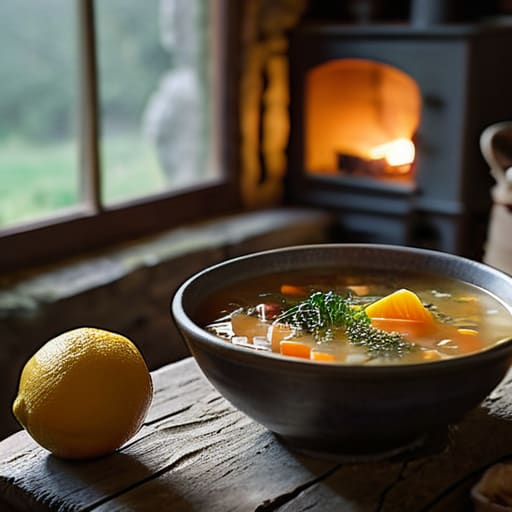
I’ve never been much for the expensive tinctures or those brightly coloured bottles of immune support supplements you see cluttering the shelves at the chemist. Most of the time, they’re just a way to part a man from his money. In my experience, a proper winter wellness routine starts with what you put on your plate and how much you actually move. I find that a brisk twenty-minute walk—the kind that takes you past the old mill and back before the light fails—does more for my constitution than any vitamin pill ever could.
It’s also about the small, practical things we tend to overlook when we’re huddled indoors. I’ve noticed that when the heating stays on full tilt all day, the air gets terribly dry, which isn’t great for the lungs. Managing indoor air quality in winter by cracking a window for ten minutes a day, even if it feels a bit nippy, makes a world of difference. Combine that with a bit of common sense regarding hygiene practices for the cold season—like actually washing your hands after coming in from the garden—and you’ve done more than most to keep the bugs at bay.
Preventing Seasonal Respiratory Infections in Your Own Home
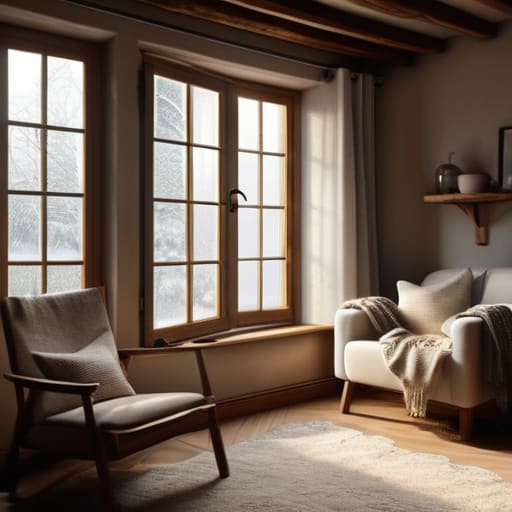
Now, once you’ve sorted your diet and your sleep, we have to look at the four walls around you. I’ve spent enough time inspecting old cottages in the Test Valley to know that a house can be a wonderful thing, but it can also be a bit of a trap for stale air. When the temperature drops and we all retreat indoors, we tend to seal everything up tight. This is where managing indoor air quality in winter becomes a real necessity. If you leave the windows shut for three weeks straight, you aren’t just trapping the heat; you’re trapping the very germs we’re trying to avoid.
I’m not suggesting you sit in a draughty hallway, but popping a window open for just ten minutes a day—even if it’s a bit nippy—does wonders for clearing out the stagnant air. It’s also worth keeping a close eye on the humidity. If the air gets too dry from the central heating, your throat and nose can feel like sandpaper, which makes you much more susceptible to a bug. A simple humidifier or even just a bowl of water on the radiator can be a decent part of your winter wellness routine.
A few practical ways to keep the bugs at bay
- Keep an eye on your pantry; when the temperature drops, you want more than just tea and toast. I’ve found that having a decent stock of root vegetables—carrots, parsnips, the lot—makes it much easier to get those nutrients in when you can’t be bothered to wander down to the shops in the driving rain.
- Check your draughts before the real cold hits. I spent a morning last Tuesday looking at the seals on the front door of the old rectory, and it’s a reminder that a house that stays too cold can be just as hard on your system as a virus. A bit of heavy curtaining or a simple draught excluder goes a long way.
- Don’t neglect your hands. It sounds like something you’d tell a schoolchild, but after thirty years of shaking hands at parish meetings and village fetes, I’ve learned that a good, thorough wash after being out in the village is the simplest bit of insurance you’ve got.
- Mind your sleep, especially when the evenings draw in so early. It’s tempting to sit in front of the telly until ten o’clock, but your body needs that rest to keep its defences up. I’ve noticed that if I skip a decent night’s sleep, I’m much more likely to feel the sniffles by Thursday.
- Watch the damp. If you’ve got older stone properties around here—and most of us do—you know how quickly moisture can build up when the heating goes on. Keeping the air moving, even just a little bit, stops that heavy, damp feeling in the lungs that makes a winter cough much worse.
A few practical things to keep in mind
Don’t wait for the first heavy frost to check your seals; a draughty window isn’t just a nuisance for your heating bill, it’s an invitation for a cold to settle in.
Keep your pantry stocked with the basics—soup, tinned fruit, and proper tea—so you aren’t forced into a damp, freezing shop run when you’re already feeling under the weather.
Look out for your neighbours, especially the older ones down the lane, because a quick check-in can be the difference between someone catching a bit of a sniffle and them becoming properly unwell.
A bit of foresight goes a long way
I’ve spent thirty years looking at the structural integrity of old cottages, and it’s the same with your health; you don’t wait for the roof to cave in during a January gale before you decide to check the rafters. Preparing for winter isn’t about buying every tonic on the chemist’s shelf, but about the steady, practical habits you put in place while the sun is still actually showing its face.
Gordon Ellery
A bit of foresight goes a long way
At the end of the day, keeping the winter bugs at bay isn’t about some complicated medical regime or buying expensive gadgets from a catalogue. It comes down to the basics we’ve discussed: keeping your home’s ventilation moving so the damp doesn’t settle, making sure you’re eating properly even when the light fades early, and keeping those living spaces warm and dry. I’ve seen enough old cottages in this part of the county to know that a house that breathes is a house that keeps its occupants healthy. If you take the time to check your seals and stock your larder now, you won’t be caught off guard when the first proper frost hits the windowpanes.
We often spend too much time worrying about the big, looming things and not enough on the small, practical habits that actually keep us upright. Preparing for the winter isn’t just about avoiding a fever; it’s about making sure you have the stamina to enjoy the season rather than just enduring it. Whether it’s a brisk walk along the old bridleway or just a quiet evening by a well-maintained hearth, you deserve to feel steady. Take care of your home and your habits, and the winter will be much kinder to you than you might expect.
Frequently Asked Questions
Is it worth spending money on those fancy air purifiers, or will a bit of regular dusting and a draught excluder do the job?
I’ve seen plenty of people drop a few hundred pounds on those fancy air purifiers, but in my experience, they’re often a bit of a vanity purchase. If you’re living in an older cottage—like the one I’m currently wrestling with—a good draught excluder and a regular dusting of the skirting boards will do more for your lungs than a machine ever could. Keep the air moving, keep it clean, and save your money.
How much of a difference does actually keeping the heating on a steady temperature make compared to just turning it up when you're shivering?
It makes a world of difference, and it’s not just about your heating bill. I’ve seen enough damp-stricken cottages in the Test Valley to know that letting a house drop to freezing before cranking the boiler is a mistake. When you let the walls get cold, the moisture settles, and that’s when the mould starts creeping up the skirting boards. Keeping a steady, moderate temperature—around 18 or 19 degrees—keeps the air moving and your lungs much happier.
When it comes to local pharmacies or doctors, is there a particular time of year when I should be making sure my prescriptions are all sorted before the rush?
I’d aim to have everything squared away by late October. Once the November frosts hit and the local surgery gets hit with the first wave of seasonal bugs, the phone lines become nearly impossible to get through. I’ve seen enough people waiting on hold for twenty minutes just to request a repeat prescription. Get your requests in before the school holidays end; once the winter rush starts, the pharmacy queue can get a bit daunting.