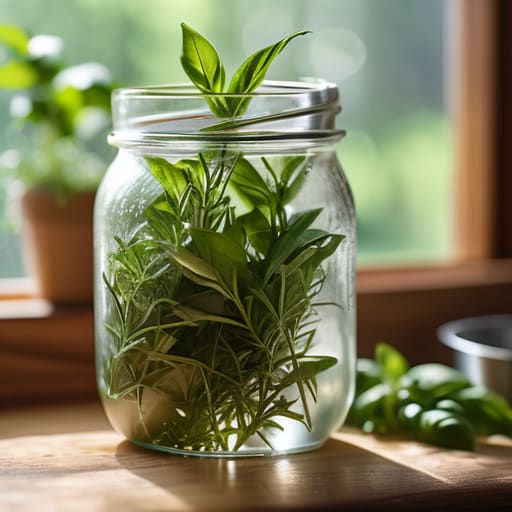
I was standing in the kitchen last Tuesday, looking at a bunch of coriander that had turned into a dark, weeping heap of sludge only three days after I’d bought it from the shop in Salisbury. It’s a damn shame, really, because most of the advice you find online about how to keep herbs fresh involves buying expensive plastic gadgets or specialized airtight canisters that you’ll likely lose behind the toaster by Christmas. You don’t need a laboratory setup to save a bit of basil; you just need to stop treating your greens like they’re made of glass and start understanding how they actually breathe.
I’m not going to waste your time with fancy culinary jargon or complicated storage systems that require a degree to operate. Instead, I’ll tell you exactly what I’ve learned from years of watching my own kitchen garden go to seed and trial-and-erroring my way through the local markets. I’ll show you the simple, no-nonsense methods for keeping your rosemary sturdy and your mint bright, using nothing more than a bit of water and a scrap of paper towel.
Table of Contents
The Best Way to Store Cilantro Without the Rot
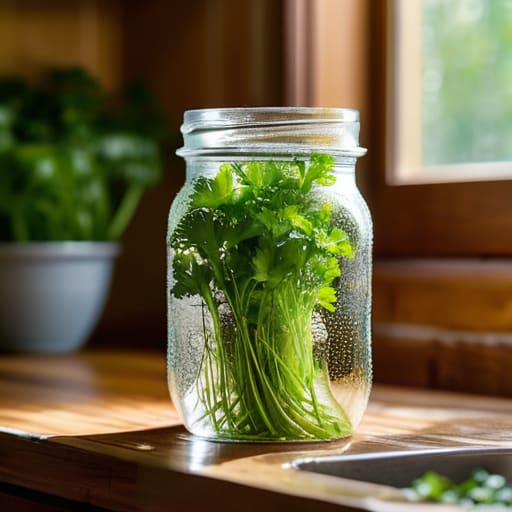
Now, cilantro—or coriander, if you’re feeling particularly traditional—is a tricky customer. I’ve seen too many people treat it like a sprig of rosemary, tucking it into the back of the vegetable drawer only to find a black, slimy heap three days later. If you want to avoid that, the best way to store cilantro is to treat it more like a bunch of fresh flowers than a vegetable. I usually take the bunch, give the roots a quick rinse in cold water, and stand them upright in a small glass jar with about an inch of water at the bottom. It’s a bit like keeping a bouquet on the kitchen table, but it works.
Once you’ve got them in their little water baths, you must cover the tops loosely with a plastic bag to keep the humidity just right. If you leave them uncovered, you’ll find yourself preventing herb wilting becomes a losing battle against the fridge’s dry air. I keep mine in the crisper drawer, but I always check the water levels every couple of days. If the water looks cloudy, change it immediately; otherwise, you’re just inviting the rot to settle in.
Refrigerating Soft Herbs vs Woody Herbs Properly
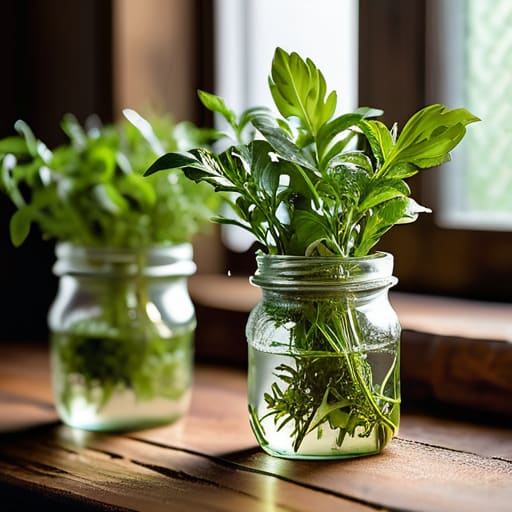
Now, you can’t treat a sprig of mint the same way you treat a stick of rosemary; it’s a bit like trying to park a Land Rover in a bicycle shed. When we talk about refrigerating soft herbs vs woody herbs properly, the distinction is everything. Soft herbs—your basil, parsley, and cilantro—are delicate and prone to turning to mush if they sit in a damp corner of the crisper drawer. I’ve found that treating them like a bouquet of flowers, with their stems in a little jar of water, works wonders. Just keep the leaves out of the direct cold air, or they’ll blacken before you’ve even finished your Sunday roast.
Woody herbs, on the other hand, are much hardier. Thyme, sage, and rosemary are built to last, but they still need a bit of breathing room. I usually wrap them in a slightly damp paper towel and pop them in a reusable container. If you find you have far more than you can use, don’t let them go to waste; try making herb butter for storage by chopping them up and mixing them with a bit of salted butter. It stays lovely in the fridge for a week and tastes a treat on toast.
A few practical rules for the kitchen windowsill
- Don’t go washing them the moment you get home from the shops; moisture is the enemy, and if you put damp leaves in a container, you’re just inviting rot before the week is out.
- If you’ve bought a large bunch of mint or parsley, treat them like a proper bouquet in a jar of water, but make sure you change that water every couple of days so it doesn’t go stagnant.
- Keep your woody herbs, like rosemary or thyme, away from the direct heat of the oven; I’ve seen plenty of people leave them on the counter right next to the hob, and they’ll be bone-dry by supper time.
- Use a paper towel to wrap your herbs if you must put them in a bag in the fridge; it acts as a bit of a sponge for any excess dampness that would otherwise turn them to mush.
- If you find you’ve bought more than you can reasonably use before the Friday shop, don’t let them go to waste—chop them up, freeze them in an ice cube tray with a bit of olive oil, and you’ll have a head start on next week’s cooking.
A few things to remember before you bin them
Don’t go washing your herbs until you’re actually ready to use them; moisture is the quickest way to turn a lovely bunch of mint into a bag of green sludge.
Treat your woody herbs like rosemary or thyme with a bit more respect—they’re hardy enough to sit in a jar of water on the counter, much like a cutting from the garden.
If you’ve bought more than you can eat in a week, don’t just let them wilt in the crisper drawer; chop them up, freeze them in an ice cube tray with a bit of oil, and you’ve got a head start on next week’s supper.
## A bit of common sense for the kitchen
I’ve spent thirty years looking at the structural integrity of flint and brick, but I’ve learned that a sprig of mint is a far more delicate piece of architecture; if you don’t give it the right environment, it’ll collapse faster than a poorly laid dry stone wall in a February gale.
Gordon Ellery
A bit of common sense in the kitchen
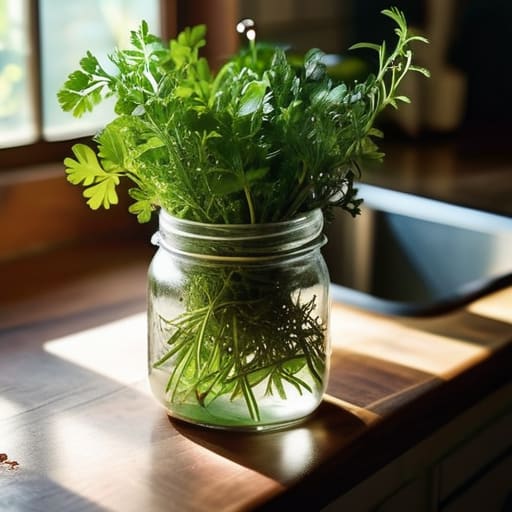
At the end of the day, it isn’t about following some complex scientific manual; it is simply about respecting the plant. If you treat your soft herbs like a bunch of flowers in a jar of water and keep your woody ones tucked away in the crisper drawer, you will find you aren’t throwing half your shopping in the compost bin every Friday. Whether it is keeping that cilantro upright to avoid the dreaded rot or making sure your rosemary doesn’t dry into a twig before you’ve even used it, the goal is to stop the waste. It takes about thirty seconds of extra attention when you get home from the shops, but it saves you a trip back to the village store when you’re halfway through making a Sunday roast.
I have spent many years looking at the foundations of houses, and I have learned that a structure is only as good as the small things that hold it together. The same goes for a good meal or a well-run home. There is a quiet, genuine satisfaction in opening your fridge and seeing fresh, green sprigs of mint or thyme ready to go, rather than a collection of wilted, brown leaves. It is these little habits—the small, daily efforts to look after what we have—that truly make a house feel like a home. So, give those herbs a bit of care, and they will certainly return the favour.
Frequently Asked Questions
What’s the best way to deal with herbs that have already started to go a bit limp?
If they’ve gone a bit floppy, don’t bin them just yet. It’s usually just a lack of water, not rot. I find a quick ice bath works wonders; submerge the stems in cold water for about twenty minutes, and they’ll often stand right back up. If that fails, chop them up and freeze them in a bit of olive oil in an ice cube tray. It’s not pretty, but it saves the flavour.
Is there any point in buying those little plastic clamshells from the supermarket, or am I better off just buying loose?
I’ve spent many a Sunday afternoon at the local market, and I’ll tell you this: skip the plastic clamshells. They’re a bit of a racket, really. They trap moisture inside, and before you’ve even finished your Sunday roast, you’re looking at a container of green sludge. Buy the loose bunches instead. It costs a few pence more, but you can inspect the stems yourself, and they’ll last much longer once you’ve got them home.
If I’ve bought a massive bunch of mint for a summer drink, is it worth freezing it in oil or just trying to make it last in the fridge?
Now, if you’ve gone and bought a massive bunch of mint for the summer, don’t bother trying to keep it fresh in the fridge for more than a few days; it’ll go limp and sad before you’ve finished your first pitcher of mojitos. If you can’t use it all by Friday, freeze it in oil in an ice cube tray. It’s a bit more work, but it saves the flavour for later.