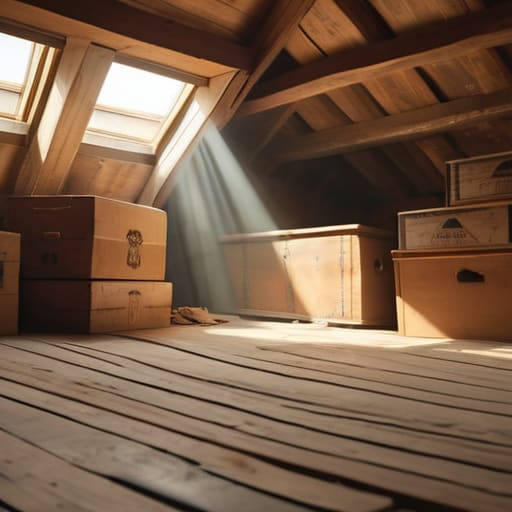
I was up in the eaves of my own cottage last Tuesday, navigating a narrow wooden ladder and a sea of cardboard boxes that haven’t seen the light of day since the late nineties. There is a particular, musty scent to a neglected attic—a mix of old newsprint and damp insulation—that hits you the moment you push aside a stack of dusty crates. Most people think learning how to declutter a loft requires hiring a professional team or buying a dozen expensive plastic bins from a big-box store, but after thirty years of valuing properties across the county, I can tell you that’s mostly nonsense.
I’m not here to sell you on fancy organisation systems or lifestyle hacks that look good in a magazine but fail in a real, sloping-roofed room. Instead, I’m going to give you the practical, boots-on-the-ground reality of sorting through the chaos. I’ll show you how to distinguish between what is truly worth keeping and what is simply taking up valuable square footage, based on actual experience rather than theory. We’ll tackle the job properly, one box at a time, so you can finally reclaim your space.
Table of Contents
The Hard Truth of the Loft Decluttering Decision Making Process

The thing about most lofts—especially the ones in the older cottages around here, built well before the 1950s when timber was a bit more forgiving—is that they aren’t just storage spaces; they are museums of things we thought we’d need. When you start the decluttering decision making process, you’ll quickly find that sentimentality is a much bigger obstacle than actual floor space. I’ve stood in many a cramped attic, looking at a stack of old newspapers or a broken lamp from a long-gone relative, and felt that same tug of guilt. You feel as though throwing something away is somehow erasing a memory, but a loft filled with junk is just a graveyard for things that no longer serve a purpose.
You have to be ruthless. If you spend your afternoon debating whether a chipped ceramic bowl from 1984 is worth keeping, you’ve already lost the battle. I always tell people that maximizing attic space requires a clear-eyed view of what is truly useful versus what is merely taking up room. If it hasn’t been touched since the last Jubilee, it probably doesn’t need to be under your roof.
Maximizing Attic Space for the Things That Actually Matter
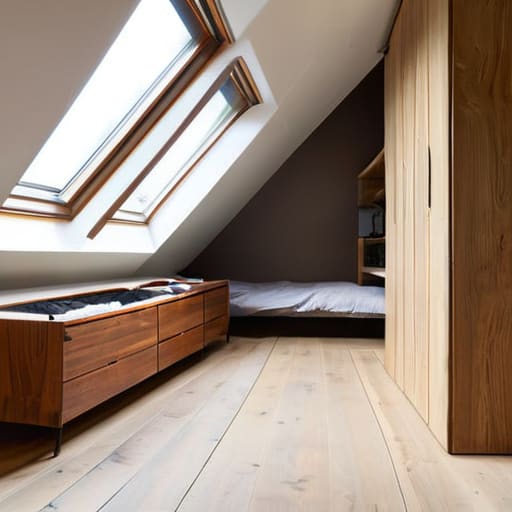
Once you’ve finished the heavy lifting of deciding what stays and what goes, you’re left with the actual physical reality of the space. I’ve seen many a Victorian terrace in the village where the rafters are so low you’d have to crawl on your belly just to reach the chimney breast. When you are maximizing attic space, you have to stop thinking about floor area and start thinking about volume. It isn’t just about where you can stand; it’s about how you use the depth of those eaves.
I’ve found that the most effective loft storage solutions involve clear, stackable bins rather than those old cardboard boxes that eventually succumb to damp and collapse. If you use uniform containers, you can actually see what’s inside without playing a game of Tetris every time you need a Christmas decoration. It is also worth keeping a clear path to the hatch; I’ve seen people pack things so tightly they’ve essentially sealed themselves out of their own storage. Always prioritise loft safety and accessibility—if you can’t get to it without a prayer and a ladder, you’ll never use it.
Five Ways to Keep the Chaos at Bay
- Check the timbers before you start. I’ve seen many a well-meaning person pile heavy boxes onto old joists that haven’t been inspected since the late seventies, and it’s a recipe for a sagging ceiling. Make sure you’re only storing things on the actual floorboards or the designated structural supports.
- The “One Year” rule is a bit of a lie, isn’t it? If you haven’t climbed up those narrow stairs to look at it in three years, you aren’t going to need it. If it’s just a box of old cables and manuals for a television you threw out in 2012, it’s time for the tip.
- Invest in proper, clear plastic bins rather than those old cardboard moving boxes. Cardboard is a sponge for dampness, especially in older houses with less-than-perfect insulation, and I’ve seen far too many collections of Christmas decorations ruined by a bit of condensation.
- Label everything with more than just a marker. Use a thick felt pen and write the contents on the side, not the top. Once you’ve stacked three crates, you’ll find that writing on the lid is about as useful as a chocolate teapot.
- Leave a bit of breathing room. Don’t pack the loft so tight that you can’t actually get back up there. If you have to play a game of Tetris just to reach your winter duvets, you’ll eventually just stop using the space altogether, and that’s when the dust really settles in.
A Few Bits to Remember Before You Head Up the Ladder
Don’t go up there empty-handed; bring a sturdy crate and a proper torch, because those joists haven’t seen light since the late nineties and you’ll want to see exactly what you’re stepping on.
If you haven’t looked at it in ten years, you probably don’t need it—and if you’re holding onto it “just in case,” remember that space in a good house is far more valuable than a box of old cables.
Sort as you go, rather than making a mountain of it in the middle of the landing, otherwise you’ll end up with a mess that’s harder to manage than a flooded lane in November.
The Weight of What We Keep
I’ve spent forty years looking at floor joists and roof timbers, and if there is one thing I’ve learned, it’s that a loft filled with ‘maybe one day’ boxes is more than just a mess—it’s a structural burden on your peace of mind. You aren’t just clearing out dust and old newspapers; you’re deciding which parts of your past are worth the square footage they’re stealing from your present.
Gordon Ellery
A Final Look from the Ladder

At the end of the day, clearing out a loft isn’t just about moving boxes from one corner to another; it is about making a definitive choice. We have talked about the necessity of being ruthless with the “maybe” pile and the importance of ensuring that what stays up there is actually useful, rather than just a graveyard for old tax returns and broken holiday decorations. I have seen far too many Victorian terraces in this part of the county where the floorboards are groaning under the weight of things people were too polite to throw away. If you follow the steps we have discussed—sorting by utility, measuring your storage footprint, and being honest about what you truly value—you will find that space is much more precious than stuff. It is about reclaiming the structure of your home rather than just filling it.
I often think back to the old stone barns I used to survey; they survived because they were maintained and kept purposeful. Your home deserves the same respect. Once that dust has settled and the last bag of charity shop donations is in the boot of the car, you will find that the house feels lighter. There is a particular kind of peace that comes from knowing exactly what is tucked away under your eaves. Don’t view this as a chore to be endured, but as a way to honour the house you live in. A clear loft leads to a clearer mind, and frankly, it makes the whole building a much better place to be.
Frequently Asked Questions
How do I know if those old boxes are worth keeping, or if I'm just hoarding things that should have been binned years ago?
I’ve spent many a Saturday squinting at dusty cardboard in dim eaves, and here is my rule: if you haven’t touched it since the millennium, it’s likely just taking up valuable cubic footage. Ask yourself if you’d pay a surveyor to move it to a new house. If the answer is no, it’s not an heirloom; it’s just clutter. If it doesn’t serve a purpose or hold genuine weight, let it go.
Is it worth investing in proper loft boarding, or am I better off just getting everything sorted and leaving the floor as it is?
Now, if you’re asking me, it depends entirely on what you intend to do up there. If you’ve just cleared out the old Christmas decorations and some dusty boxes, leave the joists as they are; you don’t need a construction project for a bit of storage. But, if you’re planning on actually walking around or storing heavier items, get the boarding done properly. I’ve seen too many people crack a ceiling because they stepped on a joist they shouldn’t have.
When I'm moving things around, how can I tell if I'm accidentally putting too much weight on the joists?
Now, this is where my old surveying days come in handy. You can’t just treat a loft floor like a garage floor; those joists were designed to hold your ceiling up, not a mountain of heavy boxes. If you see the floorboards dipping or notice any new cracks in the plaster downstairs, stop immediately. Keep your heaviest bits—like old books or crates of tools—near the load-bearing walls rather than right in the middle of the span.