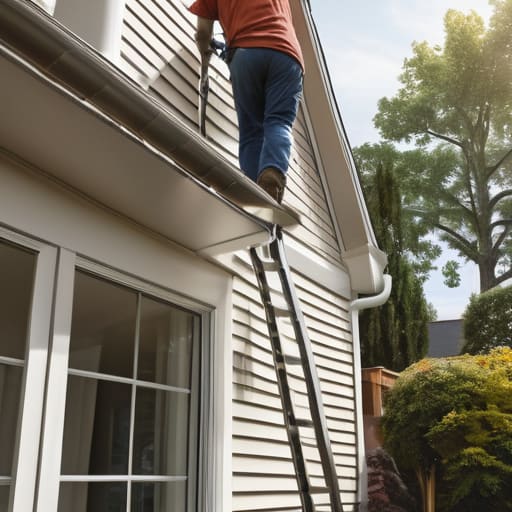
I was halfway up a rickety extension ladder last Tuesday, balanced precariously against a mid-Victorian gable, when a sudden gust of wind sent a handful of wet silt right into my eyes. It’s a messy, humbling business, and it’s exactly why most people avoid learning how to clear gutters safely until they see a damp patch spreading across their bedroom ceiling. I’ve spent thirty years surveying properties from here to Salisbury, and I can tell you that a blocked gutter isn’t just a nuisance; it’s a slow-motion disaster for your foundations. Most folks think you just need a bit of grit and a sturdy pair of boots, but ignoring the physics of a leaning ladder is a quick way to end up in the A&E.
In this guide, I’m going to skip the fancy jargon and tell you exactly how I approach the job without risking a broken hip. We’ll go over the proper way to check your footing, the gear that actually works, and how to spot a structural issue before you even step onto the ladder. My goal is to give you straight-talking, practical advice so you can keep your roof dry and your feet firmly on the ground.
Table of Contents
- Step-by-Step Instructions
- Essential Gutter Cleaning Equipment List for the Real Job
- Preventing Ladder Slips and Managing Home Maintenance Safety Precautions
- A few bits of sense before you climb up
- The short version for when you're in a hurry
- A bit of perspective from the ladder
- A Final Word Before You Climb
- Frequently Asked Questions
Guide Overview
Tools & Supplies
- Sturdy ladder with stabilizer or standoff
- Garden hose with spray nozzle
- Gutter scoop or small trowel
- Heavy-duty gloves (1 pair)
- Buckets or debris bags (2-3 units)
Step-by-Step Instructions
- 1. First things first, you need to sort your equipment. Don’t go grabbing that old wooden ladder from the shed that’s been leaning against the garage since the late nineties. You want a sturdy, aluminium extension ladder that reaches the eaves without you having to stand on your tiptoes. I’ve seen enough near-misses at parish meetings to know that a bit of wobble is where the trouble starts.
- 2. Once you’ve got the ladder, find your footing. If you’re working on the north side of the house near the old orchard, the ground can get a bit soft after a heavy rain. Make sure the ladder is on firm, level ground and, if you can, have someone stand at the base to hold it steady for you. It’s a small favour that makes a world of difference to your peace of mind.
- 3. Before you start scooping out the muck, get rid of the big stuff. Use a small garden trowel or even a sturdy plastic scoop to lift out the clumps of wet leaves and moss. If you try to use a hose right away, you’ll just end up with a thick sludge that’s impossible to clear, and you’ll likely clog the downpipe entirely.
- 4. Now that the heavy lifting is done, it’s time to flush the system. Take a garden hose and run it through the gutters to see how the water flows. If the water pools or trickles out too slowly, you’ve likely got a blockage further down in the downpipe. I usually find these happen right where the pipe turns a corner, often about three feet down from the guttering itself.
- 5. If you do hit a blockage, don’t go poking it with a metal rod—you’ll only end up damaging the joints. Instead, use a flexible plumber’s snake or a high-pressure nozzle on your hose to force the debris through. It’s a bit of a messy business, but it beats having a flooded patio come the next autumn gale.
- 6. While you’re up there, have a quick squint at the gutter brackets themselves. I’ve valued plenty of period properties where the original cast iron has shifted, leaving the gutters sagging in the middle. If you see a section that’s dipping or pulling away from the fascia, now is the time to tighten the screws or replace the bracket before the weight of the water pulls the whole lot down.
- 7. Finally, once everything is flowing freely, do a quick sweep of the ground below. You don’t want a pile of rotting organic matter sitting right under your windowsills; it’s an invitation for pests and dampness to settle in. Clear the debris away into your compost heap, and you’ll be sorted for another season.
Essential Gutter Cleaning Equipment List for the Real Job
Now, before you head out to the shed, let’s talk about what you actually need. I’ve seen too many people try to tackle a job like this with nothing but an old kitchen sieve and a pair of gardening gloves that have seen better days. If you are serious about your gutter cleaning equipment list, start with a proper scoop—something with a long handle if you can manage it—to avoid leaning too far over the eaves. I’ve spent enough time inspecting old flint cottages in the valley to know that the silt can get quite heavy, and you don’t want to be caught off balance.
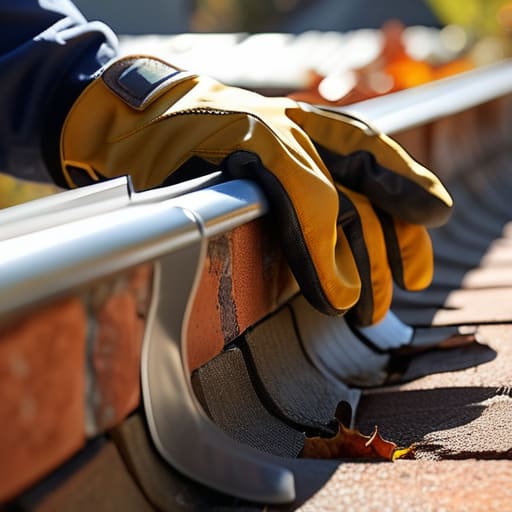
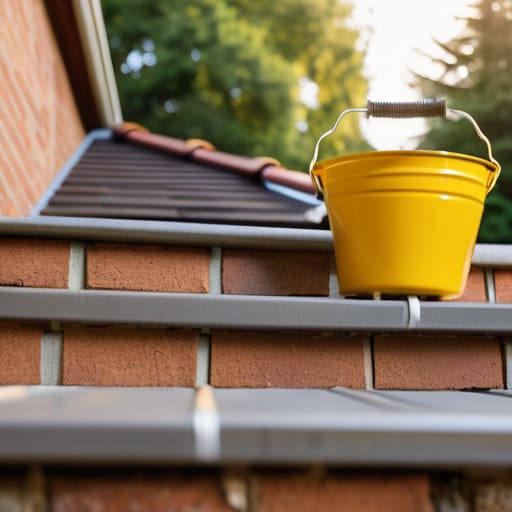
You’ll also want a decent bucket with a sturdy handle, ideally one you can hook onto the ladder so it doesn’t pull you off balance. If your downpipes are blocked, a simple hand-held plumbing snake is worth its weight in gold; it’s much better than trying to force things through with a garden hose. Most importantly, don’t overlook the basics of preventing ladder slips. A pair of heavy-duty, non-slip gloves and a pair of sturdy boots are non-negotiable. It’s not about being fancy; it’s about making sure you can get back down to the garden in one piece.
Preventing Ladder Slips and Managing Home Maintenance Safety Precautions
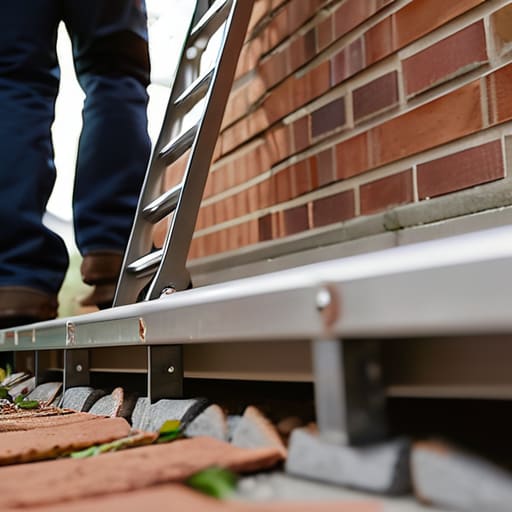
Now, even with the right gear, the ladder is where most people go wrong. I’ve seen many a well-meaning neighbour leaning a bit too far over the side to reach a stubborn corner, and that’s a quick way to end up in the doctor’s surgery. When it comes to preventing ladder slips, the golden rule is to keep your centre of gravity close to the rails. If you find yourself stretching, you’ve gone too far. I always make sure my ladder is on level ground—not on a patch of soft lawn that might shift under weight—and I use a ladder standoff if the house allows for it. It keeps the weight off the gutters themselves, which, as anyone who has lived in a mid-century semi knows, can be a bit more brittle than they look.
If you’re particularly worried about heights, you might consider investing in some gutter protection tools, like long-reach telescopic brushes. They allow you to tackle the mess from the safety of the ground, though they aren’t a magic fix for every house. If you do end up going up, remember that steady footing is more important than speed. Take your time, and if the wind picks up even slightly, just pack it in and try again next Tuesday.
A few bits of sense before you climb up
- Check your ladder feet before you even think about leaning it against the house. I’ve seen plenty of lads in the village try to steady a ladder on wet grass or loose gravel, and it never ends well. Make sure you’ve got a firm, level footing on something solid, not a patch of mossy paving.
- Get a second pair of eyes on you. I don’t care if you’ve been climbing scaffolding for forty years; if you’re working on a ladder, have someone stand at the base. They aren’t just there to hold the rails; they’re there to make sure you don’t take a tumble if you lose your balance.
- Don’t overreach. It’s tempting to stretch that extra foot to reach a stubborn clump of leaves near the downpipe, but that’s how ladders kick out. If you can’t reach it comfortably, move the ladder. It’s a nuisance, I know, but it’s better than a trip to A&E.
- Watch out for the overhead wires. When I was surveying those old cottages near the church, I always reminded people to look up. You don’t want to be extending a metal ladder toward the power lines, especially when the wind is picking up.
- Clear the debris into a bucket, not just down onto the lawn. If you just shovel everything off the roof, you’ll spend the next hour picking wet silt out of your flowerbeds. Use a small hand trowel or a scoop and drop it straight into a bucket you’ve tethered to the ladder.
The short version for when you're in a hurry
Never trust a ladder that feels even slightly dodgy; if it isn’t on firm, level ground, stay on the grass and call a professional.
Don’t wait until the autumn downpours to find out your pipes are blocked; a quick check every year saves you a lot of damp and a much bigger repair bill later.
Get the right tools—a proper bucket and a sturdy scoop—rather than trying to claw at debris with a kitchen spoon and a prayer.
A bit of perspective from the ladder
I’ve spent thirty years looking at the structural integrity of flint and brick, and I can tell you this: a damp wall or a cracked foundation is a headache, but a broken hip from a ladder slip is a catastrophe. Don’t let a bit of wet leaves and grit convince you that you’re more agile than you were twenty years ago.
Gordon Ellery
A Final Word Before You Climb
At the end of the day, clearing your gutters isn’t just about stopping a bit of damp from creeping into your skirting boards; it is about respecting the house you live in. If you’ve followed what I’ve said, you’ll have your ladder secured, your bucket ready, and a clear plan for getting that debris out without making a mess of the flowerbeds. Remember, the most important part of the job is knowing when to stop and ask for help. There is no sense in risking a broken hip or a cracked roof tile just to save a few quid on a professional. If the ladder feels a bit dodgy or the reach is too far, just put the tools away and call someone in.
I’ve spent thirty years looking at the bones of buildings, from the sturdy flint cottages near the village green to the newer builds on the edge of town, and I can tell you that regular maintenance is the best insurance you can ever buy. A well-maintained home is a happy home, and it’s much easier to fix a small blockage in October than it is to repair a collapsed guttering system after a heavy winter storm. Take care of your property, look out for your neighbours, and don’t be a hero on a ladder. It’s the small, steady bits of work that keep a village—and a house—standing strong for the next generation.
Frequently Asked Questions
If I’ve got a particularly long stretch of guttering on a two-storey house, is it worth hiring a professional or can I reasonably do it myself with a telescopic pole?
Now, if you’re looking at a long run on a two-storey gable, you have to weigh up the cost of a professional against your own time and nerves. A telescopic pole is a fine bit of kit for reaching the eaves without a ladder, but they can be fiddly and often leave the corners a bit choked. If the guttering is old—say, mid-eighties plastic—it might be brittle. If you aren’t confident, hire someone.
How often should I actually be checking these things—is it once a year after the autumn leaves drop, or should I be looking up more frequently?
I’d say once a year is the bare minimum, usually late November once the oaks have finished dropping their leaves. But if you’ve got those heavy-branching sycamores hanging over the roof—like the ones over at Miller’s Cottage—you’ll want to check them twice. I always take a quick look in early spring, too. It’s better to find a small blockage early than to wait until a February gale forces water right into your eaves.
Once the debris is cleared, how do I know if the downpipes are actually clear or if I’ve just moved the blockage further down the line?
The simplest way is a quick water test. Once you’ve cleared the debris, take a bucket and pour a steady stream directly into the gutter near the downpipe. If the water disappears down the pipe without backing up or pooling, you’re in the clear. If it starts rising, you’ve likely just pushed a clump of wet leaves further down into a bend. If that happens, you’ll need a plumber’s snake or a flexible drain auger.