I was up in the loft of the old rectory last Tuesday, and I tell you, the amount of heat escaping through those unsealed roof tiles is enough to make a man weep. I see these glossy brochures every month suggesting you need a five-figure smart-home installation or some fancy, high-tech gadgetry just to manage how to reduce heating bills. It’s absolute nonsense. Most of the time, you aren’t fighting a lack of technology; you’re fighting a house that’s been leaking warmth since the mid-seventies. You don’t need a computer to tell you that a draughty door frame is essentially a hole in your bank account.
I’ve spent thirty years valuing properties across this county, and I’ve seen exactly where the money disappears. In this article, I’m not going to give you any of that polished, corporate fluff. Instead, I’ll be sharing the practical, boots-on-the-ground methods I use in my own home to keep the chill out. We’ll look at the small, sensible fixes—the kind you can actually do yourself on a Saturday morning—to ensure you aren’t just throwing your hard-earned money straight out into the wind.
Table of Contents
- The Practical Truth About Draft Proofing Windows and Doors
- Real Home Insulation Tips From Someone Who Has Felt the Chill
- A few more ways to stop the heat escaping (without breaking the bank)
- A few things to remember before the frost sets in
- ## The cost of a cold house
- A bit of common sense for the winter months
- Frequently Asked Questions
The Practical Truth About Draft Proofing Windows and Doors
I spent most of the 1990s inspecting Victorian terraces in Salisbury, and if there is one thing I learned, it is that a house is only as warm as its weakest seal. You can install the most expensive energy efficient heating systems on the market, but if you’ve got a gap under the front door wide enough to slide a shilling through, you are essentially trying to heat the entire parish. I’ve stood in many a hallway where the air felt like it was being sucked straight through the sash windows, and it’s a miserable way to live.
When it comes to draft proofing windows and doors, don’t go looking for a magic wand. Start with the basics: a proper brush strip for the bottom of the door and some decent adhesive foam for the window frames. I noticed last Tuesday that the old oak door at the village hall—built, mind you, around 1885—is practically whistling in the wind. It’s a simple fix, but reducing heat loss at these entry points is the most sensible way to stop your money vanishing into the night air.
Real Home Insulation Tips From Someone Who Has Felt the Chill
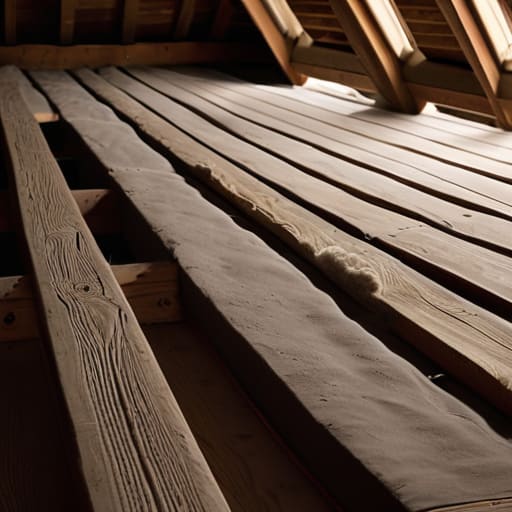
Now, most of the advice you’ll find online is about buying fancy new gadgets, but I’ve found that reducing heat loss usually starts with the stuff you can’t see. I spent a Tuesday last month poking around the loft of a Victorian terrace over on High Street—built around 1890, mind you—and the insulation was so thin you could practically see the moonlight through the rafters. If your loft floor isn’t covered in at least 270mm of mineral wool, you aren’t just losing heat; you’re essentially paying your neighbours for the privilege of heating their ceilings.
It isn’t all about the loft, either. I’ve seen plenty of beautiful, older homes where the heat simply escapes through the floorboards or around the skirting. Before you go spending a fortune on energy efficient heating systems, do yourself a favour and check your water pipes. If they aren’t lagged, they’re losing heat before the water even reaches your tap. It’s a small, cheap fix, but in a draughty house, those little things add up to a much lighter wallet come February.
A few more ways to stop the heat escaping (without breaking the bank)
- Get a handle on your radiator settings. I’ve seen plenty of folks leave every radiator in the house on full blast, even in the spare rooms that haven’t seen a guest since the Jubilee. If you aren’t using a room, turn the valve down. It’s common sense, but it’s worth saying.
- Don’t let your curtains act like a thermal bridge. When the sun goes down, pull them shut—and make sure they actually cover the window frame. I once surveyed a Victorian terrace in Upper Clatford where the heavy velvet curtains were hung so high you could still feel the frost creeping in from the top edge.
- Check your boiler’s service history. It sounds like something a man in a suit would tell you, but a boiler that hasn’t been looked at in three years is an inefficient one. A bit of maintenance now prevents a much larger bill (and a much colder living room) come January.
- Watch the water temperature. Most people have their boiler set to a temperature much higher than is actually necessary to heat the radiators. If you can turn it down just a notch or two, you’ll find the house stays just as warm without the system working itself into a frenzy.
- Use the sun when it’s actually working. If you have a south-facing window, pull those blinds up during the day. It’s free heat, plain and simple. Just don’t forget to close them again the moment the light fades, or you’re just inviting the evening chill straight in.
A few things to remember before the frost sets in
Don’t go chasing expensive smart thermostats if your loft insulation is thinner than a summer sheet; sort the heat retention first, or you’re just paying to warm the sky.
Check your radiator valves and those little gaps around the skirting boards; if the heat can’t stay in the room, it doesn’t matter how high you turn the dial.
Keep an eye on your water tank and pipes; a bit of lagging costs a few pounds at the local hardware shop but saves you a much larger headache when the temperature drops below freezing.
## The cost of a cold house
I’ve spent thirty years looking at the bones of houses, from the solid flint cottages built in the 1840s to the thinner brick builds of the sixties, and the lesson is always the same: you can turn your thermostat up until the boiler cries, but if you haven’t tackled the draughts first, you’re essentially just paying to heat the lane outside.
Gordon Ellery
A bit of common sense for the winter months
At the end of the day, keeping the heat in isn’t about buying some fancy, expensive gadget from a television advert. It comes down to the basics I’ve mentioned: sealing those gaps around the front door, making sure your loft insulation hasn’t slumped into a useless pile, and not running the heating when you’re just popping out to the Co-op for a pint of milk. If you take the time to look at your home through the eyes of a surveyor—checking the draughts and the thermal barriers—you’ll find that small, incremental changes make a massive difference to your monthly statement. It is about stopping the heat from escaping before you’ve even paid to put it in the room.
I know it can feel like a losing battle when the energy prices keep climbing, but don’t let it get you down. A house is more than just bricks and mortar; it is the place where you settle in for the evening. By taking these practical steps, you aren’t just saving a few pounds; you are making your home a more comfortable, sturdy sanctuary against the damp Hampshire chill. Treat your house with a bit of respect, do the little jobs that need doing, and you’ll find that living well doesn’t have to cost a fortune. I’ll see you at the village shop on Wednesday.
Frequently Asked Questions
If I live in one of those older thatched cottages, am I going to cause damp issues if I try to seal everything up too tightly?
That’s a sharp question, and you’re right to be cautious. I’ve surveyed enough of these mid-18th-century cottages to know they need to breathe. If you seal a thatched property up as tight as a modern new-build, you’ll trap moisture in the walls and end up with a damp problem that’ll cost a fortune to fix. Focus on the draughts around the floorboards and doors, but let the building settle and breathe naturally.
Is it actually worth spending money on a smart thermostat, or is it just another gadget that'll end up being more trouble than it's worth?
I’ve seen enough fancy gadgets gather dust in kitchen drawers to be skeptical. If you’re the type to constantly fiddle with the dial, a smart thermostat is worth the outlay; it learns your routine and stops the boiler running when you’re out at the pub. But if you’re a creature of habit who likes things set and forgotten, don’t bother. It’s a tool for control, not a magic wand for your bills.
When you're looking at a radiator, how do you tell if it's actually working properly or if it's just wasting gas by heating the wall behind it?
If you touch the wall behind your radiator and it feels warm to the hand, you’re essentially paying to heat the bricks instead of the room. I’ve seen plenty of Victorian terraces where the heat just soaks straight into the masonry. The simplest test is to feel the radiator itself; it should be hot all over. If it’s only warm at the top, or if the wall behind is baking, you need a bit of foil backing or a better radiator stand.