
I was standing in the hallway of a lovely 1930s semi near Chawton last Tuesday, watching a candle flame dance erratically on the console table, and it hit me just how much money people throw away. You don’t need a specialist contractor charging a hundred pounds an hour to tell you that your windows are leaking heat; you just need to know how to stop draughts before your heating bill makes your eyes water. I’ve seen too many homeowners convinced they need to replace every single pane of glass in a Victorian cottage, when in reality, the culprit is often just a perished bit of rubber or a gap in the floorboards that a ten-pound strip of foam could fix.
I’m not going to give you a list of expensive gadgets that end up in the skip by next summer. Instead, I’ll tell you exactly what I’ve learned from thirty years of inspecting properties and living in them myself. We’ll look at the practical, low-cost fixes that actually work, from sealing the letterbox to checking the loft hatch. My aim is to give you the honest truth about where the air is getting in, so you can finally sit in your living room without needing a thick woollen jumper.
Table of Contents
Sealing Window Gaps Before the Winter Settles in
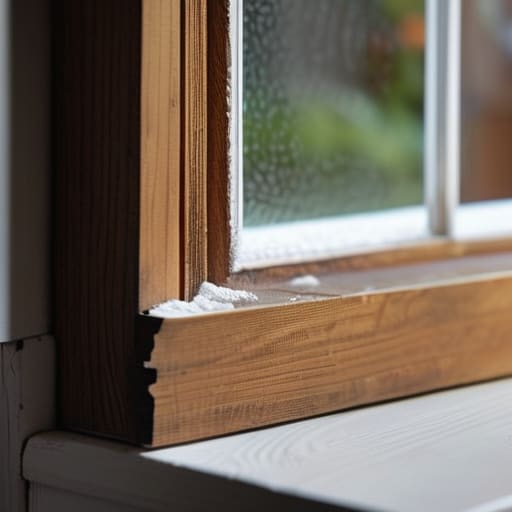
I remember a Victorian terrace I valued back in ’94, just outside Salisbury. The owner had the heating cranked up to twenty-two degrees, yet the living room felt like a meat locker. It wasn’t a lack of fuel; it was the windows. Most of those older timber frames have settled over the decades, leaving gaps that let the wind whistle right through. When it comes to sealing window gaps, you don’t always need a specialist or a carpenter. Often, a simple roll of foam tape or some decent weatherstripping techniques applied to the sash will do more for your comfort than a new radiator ever could.
If you can feel a trickle of air around the frame, you’re essentially paying to heat the lane outside. I usually suggest a quick walk around the house on a breezy afternoon to find the culprits. Once you’ve spotted them, tackling these small leaks is one of the most effective ways of reducing home heating costs before the first frost hits. It’s about energy efficient home maintenance that actually makes sense for a real house, rather than just following a glossy magazine.
Weatherstripping Techniques That Actually Hold Their Ground
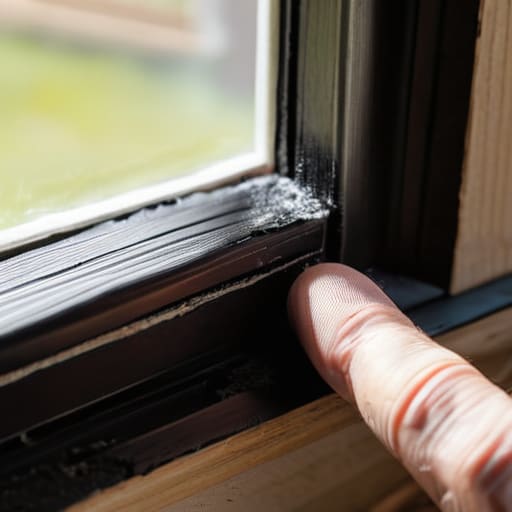
Now, once you’ve checked the frames for any obvious rot or gaps, you need to look at the moving parts. I remember a cottage near Salisbury back in the nineties—built around 1740, mind you—where the owner had spent a fortune on new glazing but still couldn’t get the heating to stay up. The problem wasn’t the glass; it was the gaps where the sashes met. For most of you, I’d suggest moving away from those cheap, sticky foam strips you find in the supermarket. They tend to perish after one summer, leaving you with a gummy mess. Instead, look for high-quality silicone or EPDM rubber seals. They have a bit more “give” and actually stay seated in the groove even when the temperature drops.
If you are dealing with a heavy external door, don’t just slap a brush strip on the bottom and call it a day. You want a proper sweep that makes firm contact with the threshold. It’s one of those small bits of energy efficient home maintenance that makes a massive difference when the wind starts howling off the downs. If you get the tension right, you’ll find you’re reducing home heating costs without having to crank the thermostat up to twenty-two just to feel human.
The Small Fixes That Make a Big Difference
- Check your letterbox. I’ve seen plenty of Victorian terraces where the breeze comes straight through the front door like it’s got an invitation. A simple brush attachment or a heavy leather flap makes a world of difference.
- Don’t ignore the skirting boards. If you feel a chill near the floor, it’s often because the gap between the wood and the floorboards has widened over the years. A bit of flexible sealant can stop that rising cold.
- Look at your heavy curtains. If you have thin, single-layer fabric, you aren’t doing much for yourself. Hanging a proper, heavy lining—or even a thermal backing—acts like a second skin for your windows.
- Inspect the chimney breast. If you have a fireplace you aren’t using during the colder months, the air will pour down the flue. A chimney balloon or even a well-placed cushion in the hearth can keep the heat where it belongs.
- Examine the door sweep. If you can see daylight under your external doors, you’re essentially heating the pavement. A sturdy rubber sweep fitted to the bottom of the door is a ten-minute job that pays for itself in fuel savings.
A Quick Checklist Before the Frost Sets In
Don’t just look at the windows; check the floorboards and the gaps around your skirting boards, as that’s where the cold often sneaks up from.
If you’re buying weatherstripping, skip the cheapest foam rolls at the supermarket and get the proper rubber seals; they won’t perish and crack after one season.
Test your progress by lighting a single candle or incense stick and moving it slowly near the frames; if the flame dances, you haven’t finished the job.
The Cost of a Cold Room
You can buy all the fancy electric heaters in the world, but if you haven’t sorted that gap under the front door or the perished sealant around the sash windows, you’re essentially just paying to heat the street outside.
Gordon Ellery
A Final Check Before the Frost Sets In
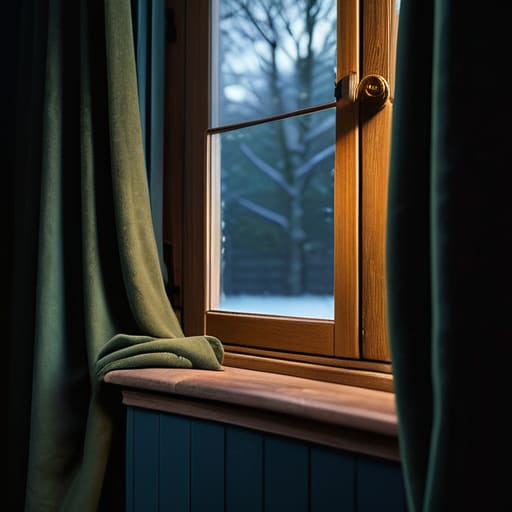
At the end of the day, stopping a draught isn’t about buying every gadget they sell in the big hardware stores; it is about a bit of steady, methodical work. Whether you are pressing new weatherstripping into a sash window that hasn’t sat right since the late seventies, or simply checking that your heavy curtains can actually meet the floor, the goal is the same. You want to stop that biting wind from finding the cracks in your joinery. I have seen many a well-built cottage, much like the ones built around 1840 in the valley, lose half their warmth simply because a single door seal had perished. If you take the time now to seal those gaps and tighten your defences, you won’t be paying the heating company for air you aren’t even using.
Ultimately, a home should be a place where you can finally sit down with a hot cup of tea and feel the stillness of the evening. There is a particular kind of peace that comes from knowing your house is holding the warmth in just as it was meant to. It isn’t just about the pennies saved on the energy bill, though that helps the pocket quite a bit. It is about the comfort of a sturdy, well-maintained shelter. So, grab your toolkit, head to the landing, and give those frames a proper look. You’ll be glad you did when the first real frost hits the glass tomorrow morning.
Frequently Asked Questions
If I’ve just replaced the weatherstripping, why can I still feel a chill coming from around the floorboards or the skirting?
It’s a common frustration, and I’ve seen it in many of the older cottages around here. If your windows are tight but your feet are still cold, the air is likely migrating under the floorboards or through the gaps behind your skirting. In these older builds, the joists often sit on uneven beds, leaving little voids. I’d suggest checking the perimeter of the room; a bit of flexible sealant or even a draught excluder can do wonders.
Is it worth spending the money on heavy curtains, or am I just masking a problem that needs a proper fix?
Look, I’ve stood in many a drafty drawing room in the Test Valley, and here is the truth: heavy curtains are a fine addition, but they aren’t a structural solution. Think of them as a thermal blanket rather than a repair. If your window frames are leaking air like a sieve, even the thickest velvet won’t stop the chill. Buy the curtains for the comfort, but fix the gaps first.
How do I tell the difference between a simple draught and a more serious issue with the loft insulation or the chimney?
It’s the difference between a breeze and a sinkhole. A simple draught usually hits your ankles or ankles near a window frame. But if you feel a sudden, heavy chill in the middle of a room, or if your heating is running constantly without the temperature budging, look up. If the air feels “heavy” or smells slightly of soot, your chimney flue might be leaking, or your loft insulation has likely slumped away from the eaves.