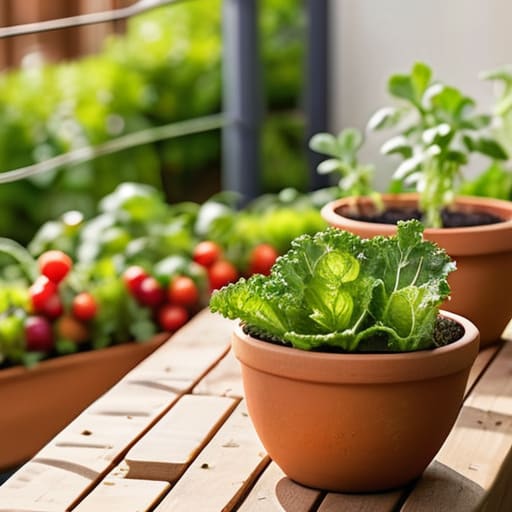
I spent thirty years valuing properties across the county, and if there is one thing I’ve learned, it’s that people tend to overcomplicate things the moment they see a bit of unused patio space. You’ll see them in the garden centres, spending a small fortune on fancy, tiered hydroponic kits and designer ceramic planters that look lovely until the first frost hits. It’s all a bit much. You don’t need a sprawling allotment or a bank loan to learn how to grow vegetables in a small garden; you just need a bit of decent compost and the sense to know which corner of your yard actually gets the sun.
I’m not here to sell you on some high-tech miracle or a complicated system that requires a degree in engineering to maintain. What I want to do is share what actually works when you’re working with limited square footage and a realistic schedule. I’ll tell you which crops are worth the effort in a pot, which ones will crowd out your walkway, and how to get a decent harvest without turning your backyard into a construction site. It’s about practicality over prestige, and I promise to keep it that simple.
Table of Contents
- Maximizing Garden Yield When Every Inch Counts
- The Best Vegetables for Containers and Tight Corners
- A few practical ways to make the most of what you've got
- A few things to keep in mind before you start digging
- ## More than just a bit of greenery
- A bit of dirt under the fingernails
- Frequently Asked Questions
Maximizing Garden Yield When Every Inch Counts
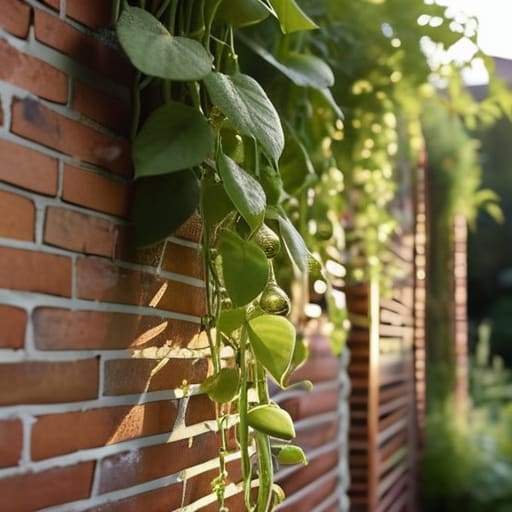
When I was surveying old cottages in the Test Valley, many of them had little more than a paved courtyard and a single patch of earth no larger than a doormat. You learn quickly that if you can’t go wide, you have to go up. I’ve found that employing certain vertical gardening techniques—think of it as building a scaffold for your runner beans—is the only way to make sense of a cramped plot. If you pin a trellis against a south-facing brick wall, that wall acts like a radiator, keeping your cucumbers warm long after the sun has dipped behind the church spire.
It isn’t just about height, though; it’s about how you arrange the players on the field. I’m a firm believer in companion planting for small spaces. You don’t want to waste a single square inch by planting something that sits there doing nothing. Instead, tuck a few radishes in the shade of your taller tomato plants. They’ll pop up and be ready for harvest before the tomatoes even start to stretch. It’s a bit like a well-managed parish council meeting: everyone has a role, and if you put the right people in the right seats, things actually get done.
The Best Vegetables for Containers and Tight Corners
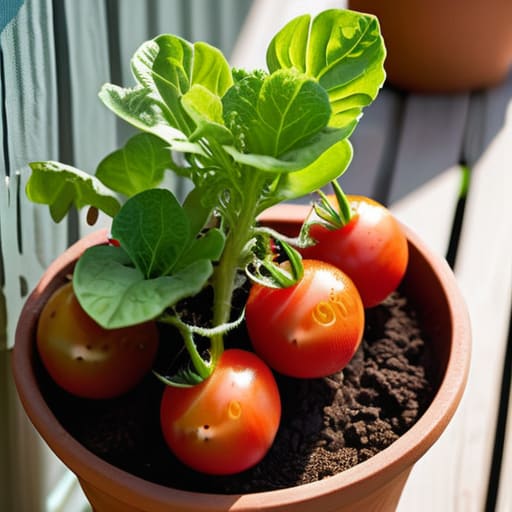
When you aren’t dealing with a sprawling acre, you have to be a bit more strategic about what you put in a pot. I’ve found that if you try to force a sprawling marrow into a standard terracotta planter, you’ll only end up with a mess and a very frustrated plant. Instead, look toward things like salad leaves, radishes, or even those dwarf varieties of tomatoes that don’t mind being hemmed in. These are some of the best vegetables for containers because they don’t demand much room for their roots to wander, provided you keep an eye on the water.
If you’ve got a bit of a narrow alleyway between the shed and the boundary wall, don’t let it go to waste. That is where you should be looking at vertical gardening techniques. I’ve had quite a bit of success training runner beans up a simple trellis or even an old bit of netting tied to the fence. It keeps the fruit off the damp ground—which is a common problem in our little corner of the world—and lets the sunlight reach the leaves more effectively. It’s about using the air, not just the dirt.
A few practical ways to make the most of what you've got
- Don’t be afraid to grow upwards. I’ve seen many a narrow side-path, perhaps no wider than the lane behind the old mill, turned into a productive space simply by putting up a bit of trellis. Climbing beans or even some runner beans will take up almost no floor space if you give them a sturdy frame to cling to.
- Watch your shadows. In a small plot, a single tall hedge or the corner of a brick outbuilding—likely dating from the late Victorian era if it’s the red-brick variety—can cast a shadow that ruins your midday sun. I always suggest testing where the light hits at ten in the morning and again at three in the afternoon before you commit to a patch.
- Use the vertical space on your walls. If you have a south-facing brick wall, you aren’t just looking at a boundary; you’re looking at a radiator. Hanging pots or even simple wooden crates fixed to the masonry can hold herbs or lettuces that would otherwise be crowded out on the ground.
- Stick to what actually works in your soil. I once spent a whole season trying to force brassicas into a patch of heavy, waterlogged clay near the bottom of the garden, only to find they were more miserable than a damp Tuesday in November. If your soil is rubbish, don’t fight it; just use raised beds or large pots where you control the mix.
- Keep your tools close but tidy. In a cramped garden, a stray spade or a pile of empty terracotta pots can become a trip hazard faster than you can say ‘planning permission’. I find a small, sturdy potting bench—something solid, not the flimsy plastic bits—keeps everything organized and saves you from constant bending.
A few things to keep in mind before you start digging
Don’t go buying expensive raised beds just yet; I’ve found that a sturdy old wooden crate or even a deep bucket works just as well if you line it properly.
Watch where the sun hits your patch throughout the day, because that corner by the stone wall might look lovely, but it’ll be too damp and shaded for most things to do anything useful.
It is better to grow three things well than ten things poorly, so pick the vegetables you actually enjoy eating and focus your energy on making them thrive.
## More than just a bit of greenery
I’ve spent thirty years looking at floorplans and boundary lines, but you don’t need a sprawling estate in the Vale to get a decent harvest; you just need to stop looking at the size of your plot and start looking at the quality of your soil and how much sun hits that back corner by midday.
Gordon Ellery
A bit of dirt under the fingernails
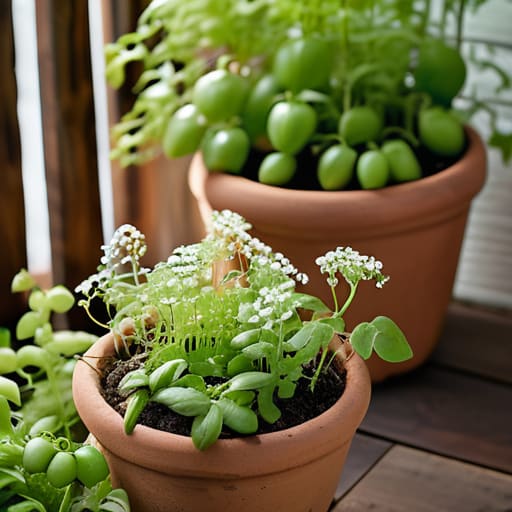
If you take nothing else away from this, remember that you don’t need a sprawling estate like those grand old manor houses I used to value in the seventies to get a decent harvest. Whether you are making use of vertical space with some trellis work, or simply tucking a few pots of salad greens into a sunny corner by the back door, the principle remains the same: use what you have. It is about being clever with your square footage, choosing the right varieties for your containers, and ensuring you aren’t crowding the soil so much that nothing can breathe. It might feel a bit cramped at first, but once you get those first few seedlings established, you’ll find that even the smallest patch can work surprisingly hard for you.
At the end of the day, gardening isn’t about achieving some professional horticultural perfection or having a garden that looks like a magazine spread. It is about the quiet satisfaction of stepping outside and seeing something you planted actually thrive. There is a particular kind of peace found in tending to a small plot, even if it’s just a few window boxes on a patio. I’ve always believed that a garden, no matter how tiny, connects you to the seasons in a way a television screen never could. So, get your hands a bit dirty, start small, and enjoy the simple, uncomplicated joy of eating something you grew yourself.
Frequently Asked Questions
If my garden is mostly paved or has very shallow soil, can I still grow something decent in pots?
Don’t let a bit of paving or thin soil put you off. I’ve seen plenty of courtyard gardens in the village—mostly Victorian brickwork, built around 1880—that look quite barren until you bring in the pots. If you’ve got no depth, you’ve got no excuse. Get yourself some decent terracotta or even heavy-duty plastic planters, fill them with good quality compost, and you’ll find that even a concrete patio can produce a fine crop of salad or herbs.
How much actual sunlight do these vegetables need to make the effort worthwhile?
Now, don’t go assuming a sunny patch in the village green is the same as a sunny spot by your back door. Most of the heavy hitters—tomatoes, peppers, even your courgettes—are greedy; they’ll want at least six hours of direct light to produce anything worth eating. If you’re tucked behind a tall hedge or a stone wall built in the 1880s that casts a permanent shadow, stick to spinach or radishes. They don’t mind the gloom as much.
Do I need to worry about the cost of buying all these containers and special compost every year?
Don’t let the garden centre prices give you a fright. I’ve seen enough people spend a fortune on fancy terracotta pots only to have them crack by November. You don’t need much; an old bucket or even a sturdy wooden crate from the yard will do just fine if you drill a few drainage holes. As for compost, don’t buy it every year. Mix in some well-rotted manure or old leaves, and you’ll save a fair bit of pence.