
I was standing in the village hall last Tuesday, watching a young lad from the council try to explain a three-page digital spreadsheet for managing donations, and I thought, good grief, we’ve lost the plot. You don’t need a high-speed internet connection or a committee of six to figure out how to set up a food bank collection; what you actually need is a sturdy cardboard box, a clear spot near the post office, and a bit of common sense. I’ve spent thirty years valuing properties from the old flint cottages in the valley to the newer builds on the ridge, and if there’s one thing I’ve learned, it’s that overcomplicating a simple task is the quickest way to ensure nobody actually helps.
I’m not here to give you a lecture on logistics or fancy management software that’ll break the moment the wind blows. Instead, I’m going to tell you exactly how to get things moving using nothing more than local grit and a few reliable neighbours. I’ll walk you through the practicalities—where to put the bin so it doesn’t get rained on, how to coordinate the collection without driving everyone mad, and how to make sure the food actually reaches the people who need it.
Table of Contents
- Organizing Community Food Drives Without the Empty Promises
- Managing Food Collection Logistics So Nothing Goes to Waste
- Five things I’ve learned about keeping the pantry full and the cupboards tidy
- A Few Things to Keep in Mind Before You Start
- The Real Heart of the Matter
- A Final Word on Getting it Right
- Frequently Asked Questions
Organizing Community Food Drives Without the Empty Promises
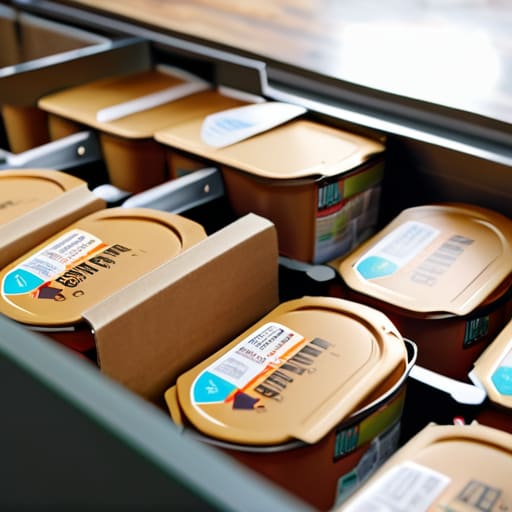
Now, the biggest mistake I see people make—and I’ve seen it at three different parish council meetings this year alone—is announcing a collection drive with nothing but a vague “bring what you can” flyer. If you don’t give people a bit of direction, you’ll end up with twenty jars of pickled onions and no actual sustenance. To avoid this, you really ought to circulate a clear non-perishable food donation list before you even put the first box out. People are generally willing to help, but they’re much more effective when they know exactly what the local pantry is actually short on, whether that’s tinned tuna, oats, or peanut butter.
It’s also about the practicalities of managing food collection logistics so you don’t end up with a mountain of tins sitting on a damp porch. I’ve seen well-meaning folks collect bags of groceries only to find them half-crushed in the back of a warm car. You need a designated, dry spot—ideally somewhere central like the village hall or the shop—and a clear plan for when the items will actually be moved to the distribution point. If you set the ground rules early, you won’t be left making empty promises to the folks who are actually struggling.
Managing Food Collection Logistics So Nothing Goes to Waste
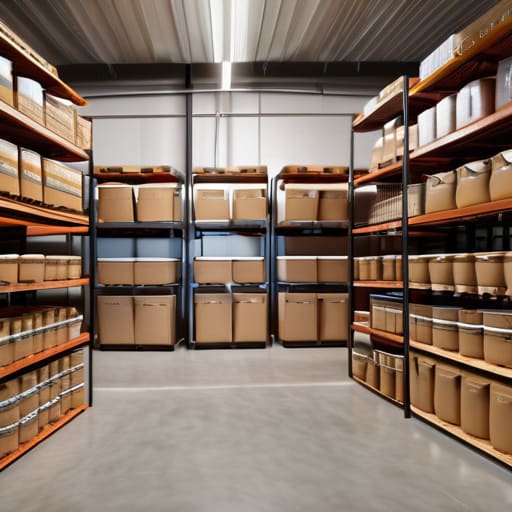
Once you’ve got the momentum, the real work begins with the heavy lifting—and I don’t just mean the crates of tinned peaches. When you are managing food collection logistics, the biggest mistake is letting everything pile up in a damp garage or a drafty village hall. I’ve seen well-meaning folks collect three weeks’ worth of donations only to find the cardboard boxes have gone soft from the humidity. You need a dry, level spot, ideally something with a solid floor, and you must keep everything off the ground on pallets or sturdy shelving.
It is also vital to keep a tight grip on what is actually coming through the door. Rather than just hoping for the best, I suggest printing out a clear non-perishable food donation list and pinning it right next to the collection bin. People want to help, but they often get stuck deciding between a bag of pasta or a jar of jam. If you tell them exactly what the local pantry needs—like oats, tinned tuna, or long-life milk—you’ll find they spend less time hovering and more time actually contributing.
Five things I’ve learned about keeping the pantry full and the cupboards tidy
- Check the expiry dates yourself. I’ve seen well-meaning folks drop off tins that expired during the Queen’s Jubilee, and quite frankly, the food bank volunteers don’t need the extra paperwork of sorting through it. If it’s past its date, it’s not a donation; it’s a chore.
- Stick to the list, not your gut. You might think a tin of fancy chutney is a lovely gesture, but if the local pantry is crying out for dried pasta or tinned tuna, that chutney is just taking up space on a shelf that could be holding something useful. Ask the organisers exactly what they need before you start collecting.
- Watch the weight and the packaging. If you’re setting up a collection point at the village hall—which, mind you, has a rather temperamental entrance if you aren’t careful—make sure the boxes aren’t too heavy for one person to lift. Also, avoid anything in glass if you can; a dropped jar in a transit van is a mess nobody wants to deal with.
- Don’t forget the basics that people often overlook. We all remember the pasta, but it’s the things like toilet rolls, toothpaste, and soap that often run low first. A proper collection looks after the person, not just the stomach.
- Communicate clearly or don’t bother. If you put a poster up on the noticeboard near the post office, make sure it says exactly where the food goes and when the collection happens. There is nothing worse than a pile of donated goods sitting in a damp corner of a church hall because nobody knew who was supposed to pick them up.
A Few Things to Keep in Mind Before You Start
Don’t go it alone; talk to the local food bank or the vicar first to make sure they actually need what you’re collecting, otherwise you’ll just end up with a mountain of pasta in a cupboard somewhere.
Keep it simple with your collection points—a sturdy box outside the village shop is much better than a dozen scattered bins that nobody bothers to check.
Remember that consistency beats a one-off blitz; it is better to have a small, reliable monthly collection than a massive surge of tins that leaves everyone exhausted by February.
The Real Heart of the Matter
You can put as many collection tins as you like in the window of the post office, but if you aren’t checking in with the people actually receiving the tins, you aren’t running a food bank—you’re just running a clutter business. A proper collection is about knowing exactly who needs a tin of beans and ensuring they get it before the milk goes off.
Gordon Ellery
A Final Word on Getting it Right
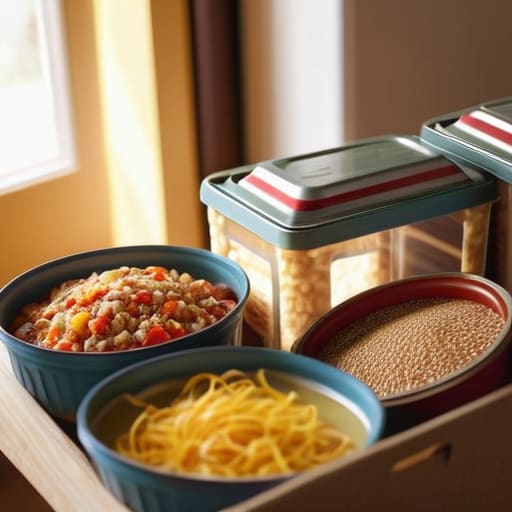
At the end of the day, setting up a collection isn’t about grand gestures or making a fuss in the parish newsletter; it is about the practicalities of the small things. You need to ensure your collection points are accessible, your storage is dry—because nobody wants a soggy tin of soup—and that you have a reliable way to get the goods to the people who actually need them. If you’ve managed your logistics properly and kept your communication clear, you won’t find yourself with a mountain of expired pasta or, worse, a collection bin that sits empty because no one knew where to put the tins. It is about doing the groundwork so the help actually reaches the kitchen table.
I have spent thirty years looking at the bones of houses, and I can tell you that a building is only as strong as its foundation. A community is much the same. A food bank collection is more than just a way to fill a pantry; it is a way to remind ourselves that we are still looking out for one another, even when things get a bit thin. It isn’t about being a hero; it is simply about being a good neighbour. If we all take a moment to check on the person three doors down or drop a few extra tins in the box, we build something far more lasting than any stone wall I could ever hope to mend.
Frequently Asked Questions
Where on earth am I supposed to store all these tins and packets without turning my spare room into a warehouse?
I’ve seen this before; someone starts with three tins of beans and ends up with a mountain of pasta in their hallway. You don’t need a warehouse, just a bit of sense. Don’t use your spare room; use the garage or a garden shed, provided it’s dry—damp is the enemy of a tin of soup. If you’re tight on space, a few sturdy plastic crates stacked in the utility room will do just fine.
How do I make sure the food we collect is actually what the local families need, rather than just a pile of half-empty pasta boxes?
The trick is to stop guessing. I’ve seen plenty of well-meaning drives end up with nothing but tins of baked beans and expired custard. Before you put a single box out, ring the local food bank or the parish council secretary. Ask them for a specific list—usually things like nappies, cooking oil, or tinned meat. If you know exactly what’s missing from their shelves, you won’t waste everyone’s petrol.
If I’m not a professional charity worker, how do I handle the legal side of things so I don't get in trouble with the council?
Look, I’m no solicitor, but I’ve sat through enough parish council meetings to know that paperwork is where good intentions go to die. You don’t need to register as a charity just to collect a few tins of beans, but you must be transparent. Keep a simple log of what comes in and where it goes. If you’re storing food in a community hall, check their insurance first. It’s better to ask the council a boring question now than deal with a headache later.