I was sitting in the Red Lion last Tuesday, watching a young man in a crisp linen shirt lecture his table about “mindful sobriety” and expensive, botanical-infused non-alcoholic spirits that cost more than a decent bottle of Bordeaux. It’s all a bit much, isn’t it? All that jargon and expensive kit doesn’t actually help when you’re staring at a half-empty pint at 9:00 PM on a rainy Thursday. Most of the advice you find online about how to reduce alcohol sounds like it was written by someone who has never actually had to navigate a village pub or a long Sunday roast without feeling like they’re missing out.
I’m not here to sell you a lifestyle or a fancy new tonic water. What I can offer is the sort of practical, common-sense approach I’ve used over the years to keep my wits about me without feeling like I’m being punished. I’ll be sharing what actually works when you’re living a real life—not a curated one—focusing on small, manageable shifts that don’t require a complete overhaul of your social calendar. This is about finding a balance that lets you enjoy the community without waking up with a head that feels like it’s been hit by a falling dry stone wall.
Table of Contents
Spotting the Signs of Excessive Drinking in Your Daily Life
It isn’t always about the heavy sessions that leave you needing a darkened room the next day. Often, it’s the smaller, more subtle shifts in your routine that tell the real story. I remember looking at a cottage in Upper Slaughter a few years back—the foundations were fine, but the damp was creeping up the north wall because the drainage had been neglected. Drinking is often the same; it’s the slow creep of habit. You might notice you’re reaching for a gin and tonic not because you’re celebrating, but simply because it’s 6:00 PM and the kettle hasn’t been put on. If you find that your first thought upon waking is often about how much sleep you lost or how much caffeine you’ll need to steady the nerves, those are the signs of excessive drinking you shouldn’t ignore.
It also shows up in the way we interact with our surroundings. I’ve noticed that when my own intake was a bit too high, I stopped noticing the things that actually matter—the way the light hits the valley or the fact that the postman is running late. You start to lose that sharpness. If you find yourself constantly planning your next drink or feeling a sense of dread when the pub closes, it’s time to sit down and look at the facts.
Learning the Strategies for Moderation That Actually Stick
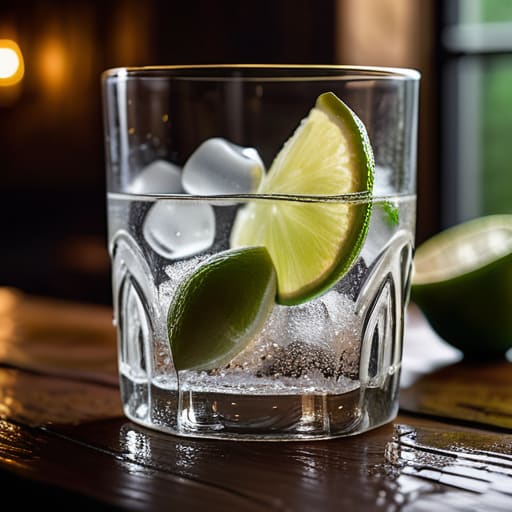
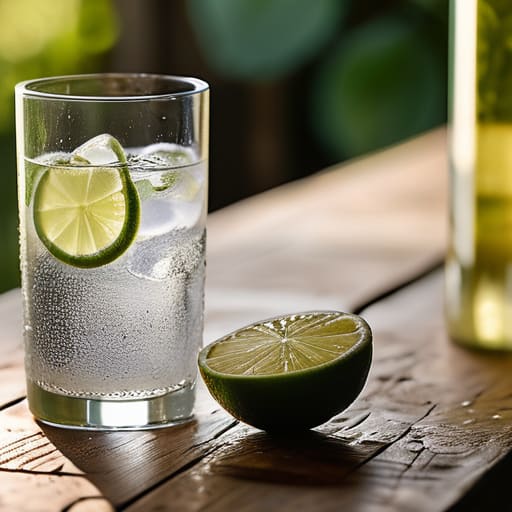
The trouble with most advice on this subject is that it reads like a government leaflet, all sterile and distant. If you want to find strategies for moderation that don’t fall apart by Thursday evening, you have to stop treating it like a grand moral crusade and start looking at your habits like a surveyor looks at a settling foundation. It’s about the small, structural shifts. For me, that meant deciding that the pub wasn’t a destination for every Tuesday night. I started replacing that second pint with a sparkling water and a slice of lime—it sounds a bit thin, I know, but it stops the habit of drinking out of pure momentum.
You also have to get honest about the “why.” Often, it isn’t even about the taste; it’s just about filling a gap in the evening. I found that managing cravings became significantly easier when I actually had something else to do with my hands, whether that was tinkering with a loose stone in the garden or finally getting through a book. It isn’t about deprivation; it’s about making sure you aren’t just drinking because the clock says it’s time.
A Few Practical Ways to Lighten the Load
- Watch your glass, not the clock. I’ve found that it isn’t the time of day that gets you, but the habit of reaching for a drink simply because it’s 6:00 PM and the kettle hasn’t boiled yet. If you change the ritual—maybe a bit of sparkling water with a slice of lime in a proper heavy glass—you’ll find the urge passes without much fuss.
- Clear the cupboards of the easy temptations. There is no sense in having a bottle of something decent sitting on the sideboard if you aren’t planning on being sensible. I’ve always believed that if you have to actually get in the car to go to the Co-op to get a drink, you’ll think twice about whether you actually need it.
- Mind your company and the setting. If you’re heading to the Red Lion for a quick pint, you know well enough that it’ll turn into three by the time the ploughman’s lunch arrives. Try meeting a friend for a walk along the ridge instead; it’s harder to overindulge when you’re halfway up a hill.
- Keep a tally of the small things. It isn’t about being a schoolmaster, but rather noticing how much better you feel when you haven’t had a drink for three days straight. You’ll notice the sleep is deeper and the morning isn’t quite so grey, and that’s a better motivator than any doctor’s lecture.
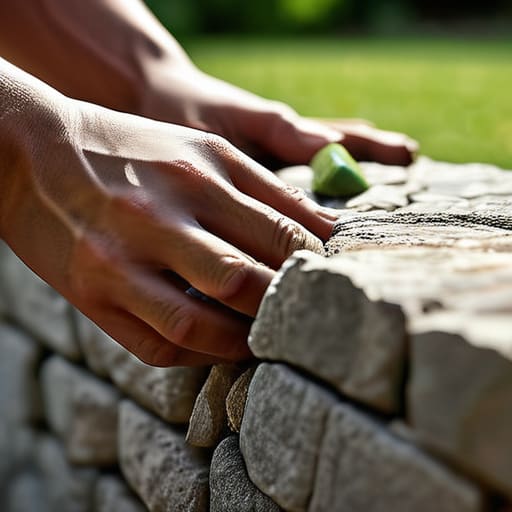
- Don’t try to do everything at once. If you try to overhaul your entire life on a Monday morning, you’ll be back to your old ways by Thursday. Start by simply deciding that Tuesday and Thursday are dry days. It’s about building a foundation, much like setting a proper footing for a dry stone wall—steady and one stone at a time.
A Few Final Thoughts Before the Next Round
Don’t try to overhaul your entire life by Monday morning; it’s better to aim for one less pint on a Tuesday than to promise the moon and fail by Friday.
Keep a sharp eye on the little things, like whether you’re reaching for a glass because you’re thirsty or simply because the clock says it’s time.
Remember that a good community is built on more than just what’s in your hand, so find ways to stay social that don’t involve a trip to the local pub.
On the Real Cost of a Glass
I’ve spent thirty years walking the boundaries of properties, looking for the cracks that most people miss, and I’ve realised that drinking too much is much the same; you don’t notice the structure is failing until the damp has already set into the floorboards and the morning feels twice as heavy as it should.
Gordon Ellery
The Long View
If you have followed any of this, you will know it isn’t about some grand, overnight transformation or a sudden bout of saintly willpower. It is about the small, practical things we have discussed: spotting those patterns before they become habits, finding a replacement for that evening glass, and being honest about why you are reaching for it in the first place. Whether it is adjusting your routine or simply being more mindful of the frequency of those visits to the local pub, the goal is stability. I have spent thirty years looking at the foundations of houses, and I can tell you that if you don’t address the small cracks in the masonry early on, the whole structure suffers. Reducing your intake is simply strengthening your own foundation.
Ultimately, this isn’t about what you are giving up, but what you are gaining back. It is about waking up without that heavy, grey fog in your head, or having the energy to actually finish a walk up to the ridge without feeling winded. Life in a village like ours is built on small, meaningful moments—a conversation over a garden fence or a quiet morning in the garden—and you need to be fully present to enjoy them. Don’t aim for perfection, because that is a surveyor’s myth; just aim for a life that feels a bit more solid and steady under your feet. You might find that once you stop focusing on the glass, you start noticing much better things.
Frequently Asked Questions
Is it better to cut down gradually over a few months, or should I try to stop altogether for a set period?
There’s no single blueprint, much like trying to repair a dry stone wall; you have to look at the ground you’re standing on. If you’ve been having a glass every evening since the Jubilee, a sudden stop can feel like a structural collapse. For many, a gradual taper—cutting out the midweek pints first—is more sustainable. However, if you want to reset the foundation entirely, a set period of abstinence can clear the fog much faster.
How do I handle the social pressure when the local pub is the only place to meet friends?
It’s a tricky one, especially when the Red Lion is the only place to see a friendly face. I’ve sat through many a parish meeting where the only way to get a word in was over a pint. My advice? Order a sparkling water with lime; it looks enough like a gin and tonic that people stop asking questions. If they do press you, just say you’re on a bit of a health kick. Most folks will nod and move on.
What should I do if I find myself reaching for a drink simply because I'm bored or stressed after work?
I’ve found that when the clock strikes five, the brain just wants a shortcut to “off.” If it’s boredom, you need a task that actually uses your hands—I’ve spent many a Tuesday evening wrestling with a stubborn dry stone wall to clear my head. If it’s stress, try a fifteen-minute walk down toward the creek. It isn’t a magic fix, but it beats reaching for the gin before you’ve even taken your boots off.