I was clearing out the back of the pantry last Tuesday—the same cupboard we had installed back in ’94, which, if I recall, was a bit of a rush job by the previous owners—and I found a bag of carrots so limp they looked like they’d been left out in a summer drought. It’s a bit of a same old story, isn’t it? We see all these fancy, expensive gadgets being pushed on us, promising that if we just buy a certain type of airtight container or a high-tech composting bin, we’ll suddenly master how to reduce food waste. Honestly, it’s a load of nonsense. Most of the time, the problem isn’t a lack of equipment; it’s just a lack of a sensible plan for what we’ve already spent our hard-earned money on.
I’m not here to sell you any plastic contraptions or suggest you spend your weekends turning a compost heap if you haven’t the space for it. Instead, I want to share a few practical, common-sense habits I’ve picked up over the years that actually work in a real kitchen. I’ll show you how to spot the signs of spoilage before it’s too late and how to manage your shopping so you aren’t just throwing money into the bin every Friday.
Table of Contents
Smart Refrigerator Organization for the Busy Home
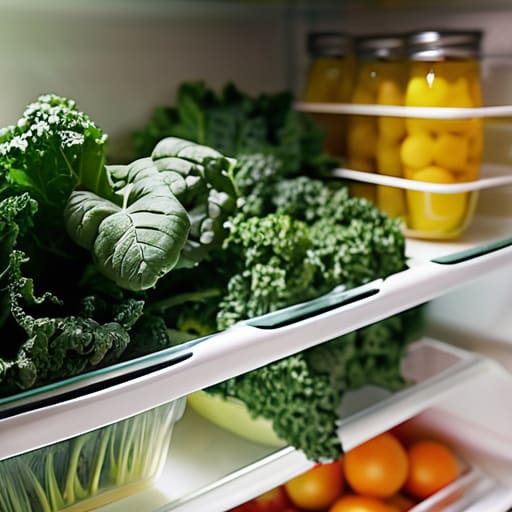
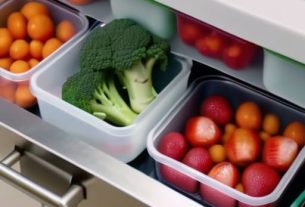
Now, I’ve spent enough time inspecting kitchens in old flint cottages to know that most people treat their fridge like a black hole. You shove a tub of yogurt in the back, forget it exists, and three weeks later, you’re finding a science experiment behind the milk. If you want to get serious about smart refrigerator organization, you have to treat it like a proper inventory. I always tell people to keep the things that expire quickly—the soft cheeses, the opened creams, the leafy greens—right at eye level on the middle shelf. If you have to bend down or reach into a dark corner to see it, you simply won’t use it.
It’s also worth keeping a small, handwritten note stuck to the door. I call it my makeshift food expiration date guide. It’s nothing fancy, just a list of what needs eating by Thursday or Friday. When you clear out the visual clutter and group your items logically, you’ll find you aren’t just saving a few wilted carrots; you’re actually reducing your grocery bill by stopping those repeat purchases we all make when we can’t find the butter.
A Food Expiration Date Guide That Actually Works
Now, I’ve spent a fair amount of time looking at pantry inventories for estate valuations, and I can tell you that the labels on your jars are often more confusing than a Victorian floor plan. Most people see a “Use By” date and treat it like a legal deadline, tossing perfectly good jam or hard cheese the second the clock strikes midnight. In reality, a “Use By” is about safety, whereas “Best Before” is merely a suggestion about quality. If that tin of tomatoes is a week past its date, it isn’t going to turn into a hazard; it’s just might not be quite as bright as it was in 2023.
The trick to reducing your grocery bill isn’t just buying less, but understanding what you actually have. I’ve found that keeping a small notebook near the larder helps, but even simpler is just being honest about what’s nearing its end. If you start treating these dates as a general guide rather than a strict command, you’ll find you aren’t binning half your shopping every Sunday. It’s about developing those sustainable kitchen habits that keep the cupboard useful and the wallet a bit heavier.
A bit of common sense for the kitchen cupboard
- Stop buying in bulk just because the supermarket has a ‘buy one get one free’ sign on it. I’ve seen plenty of folks in the village stock up on loaves of bread or crates of milk only to watch them go mouldy because they simply couldn’t eat it all before the week was out. If you can’t eat it in four days, don’t buy it in six.
- Get yourself a decent-sized freezer and use it properly. I’m talking about freezing your leftovers in individual portions—not just throwing a massive pot of stew in there and hoping for the best. If you know you’ve got a busy Tuesday ahead, a frozen portion of last night’s mince is worth its weight in gold.
- Learn the difference between ‘use by’ and ‘best before’. I spent thirty years looking at property surveys where people ignored the small print, and it’s no different with food. ‘Use by’ is a matter of safety, but ‘best before’ is just about quality. That tin of tomatoes from last autumn is perfectly fine for a sauce, even if the label says it’s past its prime.
- Keep a proper list on the fridge, not just a mental one. I’ve walked into my own kitchen more times than I care to admit, looking for something that I actually already had tucked away in the back of the pantry. If you write down what you have, you won’t end up buying a third jar of mayonnaise when you only needed one.
- Treat your vegetables with a bit of respect. Most of the greens go limp because they’ve been shoved into a drawer and forgotten. If you keep your carrots in a bit of water or your leafy greens wrapped in a damp cloth, they’ll stay crisp much longer. It’s a bit of extra effort, but it beats watching twenty pence worth of spinach turn to sludge.
A few things to remember before you head to the bin
Stop treating “Use By” dates like a death sentence; if it’s a “Best Before” date, the food is usually perfectly fine for a bit longer, provided it looks and smells as it should.
Treat your fridge like a pantry with a deadline; if you see a punnet of strawberries looking a bit weary at the back, move them to the front immediately or they’ll be gone by Tuesday.
Plan your meals around what you actually have in the cupboard, rather than buying a new recipe’s worth of ingredients only to let the half-used jars gather dust in the dark.
## The true cost of the bin
“I’ve spent thirty years looking at the structural integrity of houses, but there’s nothing more hollow than a kitchen cupboard full of things you’ve forgotten you bought; throwing away a bag of wilted spinach isn’t just bad for the environment, it’s like watching your hard-earned pension slip through a crack in the floorboards.”
Gordon Ellery
A bit of common sense goes a long way
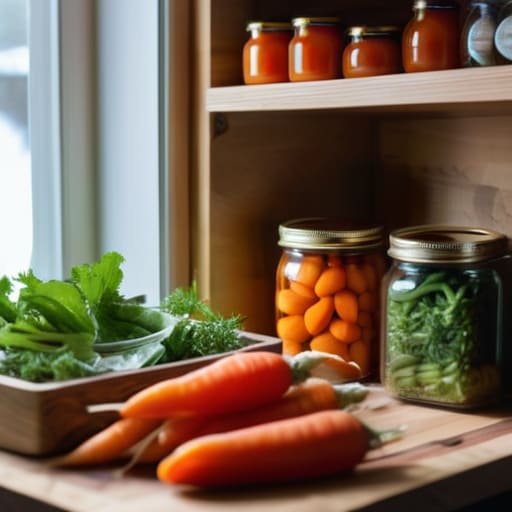
At the end of the day, stopping food waste isn’t about following some complicated lifestyle trend you see on the television; it is simply about knowing what you have in the cupboard before you head down to the Co-op. We have looked at how a bit of tidy organization in the fridge can save you a headache on a Tuesday evening, and why you shouldn’t let a “best before” date bully you into throwing away perfectly good bread. If you take the time to check your labels and keep your shelves in order, you will find that money starts staying in your wallet rather than ending up in the bottom of the bin. It is about being mindful of the things we buy and the work that went into growing them.
I often think back to my years surveying old cottages in the valleys; those houses were built to last because people looked after them, and I reckon our kitchens should be no different. We don’t need to be perfect, but we should aim to be a bit more intentional with what we bring through the front door. If we all made a small effort to use what we have, we would not only save a few pounds, but we would also feel a bit better about the stewardship of our homes. It is the small, daily habits—the ones that happen when no one is watching—that truly make a community a better place to live.
Frequently Asked Questions
If I’ve already let the vegetables go a bit soft in the bottom drawer, is there any point in trying to save them or should I just bin them?
Don’t go binning them just yet. If it’s just a bit of softness—what I call the “sadness stage”—it’s perfectly fine for a soup or a stew. Chop them up, throw them in a pot with some stock, and let the heat do the work. However, if there’s any grey fuzz or a smell that makes you recoil, leave them be. Life is too short to risk a dodgy stomach for the sake of a carrot.
How much of a difference does it actually make to use a freezer for things like bread or leftover stew, or am I just wasting electricity?
It’s a fair question, and I’ve often wondered the same while staring at the electric meter. But honestly, the difference is night and day. I’ve seen more good loaves go to waste in this village than I care to count because they sat too long in a damp pantry. Freezing a stew or a loaf isn’t just about saving food; it’s about stopping money from literally evaporating. Use the freezer. It pays for itself.
What’s the best way to manage a shopping list so I don't end up buying a second jar of mayonnaise just because I couldn't see the first one in the pantry?
The trick is to stop treating your pantry like a dark corner of a cellar. I’ve seen plenty of folks buy a second jar of Hellmann’s simply because it was tucked behind a bag of flour. Use a single, shared list—digital or a notepad on the fridge—and make it a rule: you only write it down when the jar is nearly empty. If you haven’t checked the shelf before you leave the Co-op, you’re just asking for trouble.