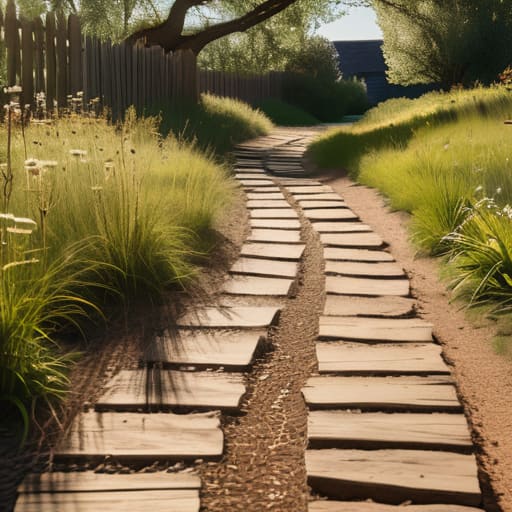
I remember standing in a damp meadow near Sevenhampton back in ’94, watching a young couple look absolutely shell-shocked because a farmer’s tractor had just rumbled through what they thought was their private, secluded garden. They had been sold a dream of total isolation, but they hadn’t looked at the old tithe maps or the actual deeds. That is the trouble with most modern estate agents; they talk a big game about “exclusive plots” while glossing over the reality of rights of way on property explained in the fine print. It isn’t just about legal jargon or some dusty solicitor’s fee; it is about whether you can actually sit in your garden in peace or if you’ll be sharing your morning tea with a neighbor’s shortcut.
I’m not here to feed you the usual legalistic nonsense that makes your eyes glaze over. Instead, I intend to give you the straight truth based on thirty years of looking at land and boundaries. I will walk you through what these paths actually mean for your privacy, your property value, and your sanity, without any of the expensive fluff.
Table of Contents
- Verifying Property Deeds for Access Before You Move in
- The Legal Definition of Easement and What It Truly Means
- Five things I’ve learned from thirty years of looking at maps and mud
- Three things to keep in mind before you sign
- More Than Just Ink on Parchment
- A Final Word Before You Sign
- Frequently Asked Questions
Verifying Property Deeds for Access Before You Move in

When you’re sitting in a draughty solicitor’s office, staring at a stack of parchment that looks older than the village church, it’s easy to get lost in the jargon. But don’t just nod and sign. I’ve seen too many folks move into a lovely cottage only to find out a neighbor has a legal claim to trot across their back lawn every morning. You must take the task of verifying property deeds for access seriously before the keys change hands. Don’t just look at the floor plan; look for the fine print regarding the legal definition of easement tucked away in the older schedules.
I once valued a property near Sevenhampton where the seller swore the driveway was private, but the deeds told a different story. It turned out there was a long-standing servitude that allowed the neighbouring farm to move machinery through. It’s a subtle distinction—the difference between a servitude vs right of way can change how you use your own garden. If the paperwork is thin or the boundaries look a bit “suggestive” on the map, get a professional to squint at it. It’s much cheaper than a dispute later.
The Legal Definition of Easement and What It Truly Means

Now, if you head down to the local solicitor, they’ll start throwing around terms like “easement” as if it’s something you’d find in a garden shed. In the strict legal definition of easement, we are talking about a right held by one person to use another person’s land for a specific purpose. It isn’t ownership of the land itself, but rather a right to use it—like that narrow strip of gravel that allows the neighbours to reach their driveway.
You might also hear people debate servitude vs right of way, which can get a bit muddled in conversation. While they are often used interchangeably in casual village chat, a servitude is a broader legal concept that can include things like running a water pipe under a garden, whereas a right of way is specifically about movement. I once valued a cottage near Chawton where the owner had installed a heavy gate, thinking he was being secure, only to realise he was actually obstructing a legal right of way that had existed since the mid-Victorian era. It’s a messy business if you don’t get it right from the start.
Five things I’ve learned from thirty years of looking at maps and mud
- Don’t just trust the seller’s word; I’ve seen plenty of folks swear a path is private, only to find a public bridleway registered with the council back in the 1950s. Always check the definitive map.
- Take a walk when it’s raining. A path that looks like a tidy gravel strip in July might turn into a waist-deep bog in November, and if that’s a right of way, you’ll be dealing with much more than just a bit of mud.
- Look closely at the boundaries. If a neighbour has built a new fence or a stone wall that seems to nip a few inches into the garden, they might be inadvertently (or not so inadvertently) blocking an established access point.
- Pay attention to the “character” of the access. There is a world of difference between a right of way for a single pedestrian to reach a post box and a heavy-duty easement meant for a tractor or a delivery van to reach a farmhouse.
- Talk to the long-term residents. The person who has lived in the cottage down the lane since the late seventies often knows more about who is allowed to walk where than any solicitor’s file will ever tell you.
Three things to keep in mind before you sign
Don’t just trust the seller’s word; a path that looks like a private driveway might actually be a public right of way that’s been there since the mid-Victorian era, and once it’s on the map, it’s staying there.
Always check the physical reality against the paperwork, because a legal easement might grant a neighbour the right to drive a tractor through your garden, regardless of how much you’ve spent on the landscaping.
If you find a discrepancy between what the deeds say and where the fences actually sit, stop everything and call a professional, because settling a boundary dispute after you’ve moved your furniture in is a headache no one needs.
More Than Just Ink on Parchment
I’ve spent thirty years looking at floor plans and boundary lines, and if there’s one thing I’ve learned, it’s that a right of way isn’t just a bit of legal jargon tucked away in a dusty deed; it’s the difference between a peaceful afternoon in your garden and the sound of a neighbor’s boots crunching through your flowerbeds every morning at eight.
Gordon Ellery
A Final Word Before You Sign
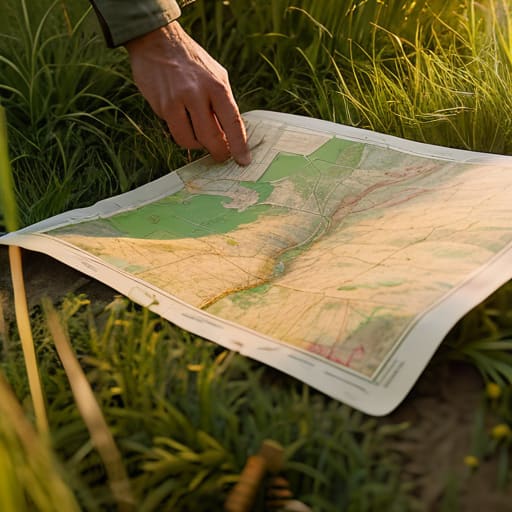
At the end of the day, navigating these legalities comes down to doing your homework before the ink is dry on the contract. You can’t simply take a seller’s word for it when they tell you the garden gate is “private”; you need to see the deeds and, more importantly, walk the boundaries yourself. Whether it is a formal easement for a utility company or a centuries-old public footpath that cuts through the back paddock, these rights aren’t just legal footnotes—they are physical realities that will dictate how you live in your home. Don’t be afraid to ask the awkward questions or hire a professional to look at the maps, because once the keys are handed over, the path is set in stone.
I have spent thirty years looking at floorplans and boundary lines, and I have learned that a house is far more than just four walls and a roof. It is the way you move through the land around it and how you coexist with the people and the history that share your space. A property with a well-understood right of way can be a joy, offering a sense of connection to the village, while an unexpected one can feel like an intrusion. Treat your land with respect, understand its quirks, and you will find that a home is truly built on more than just brick and mortar; it is built on the peace of mind that comes from knowing exactly where you stand.
Frequently Asked Questions
What happens if a neighbour has been using a track across my garden for twenty years without it ever being mentioned in the deeds?
Now, this is where things get a bit sticky. If that track has been used regularly for twenty years without any interruption, your neighbour might be claiming “prescriptive easement.” It’s a bit like adverse possession but for access. Even if the deeds are silent, the law can step in and grant them a permanent right to pass. I’ve seen many a quiet garden boundary unsettled by this. You’ll need a solicitor to look at the evidence of use.
If I want to put up a gate to keep the dogs in, am I allowed to do that if there is a public right of way running through the land?
Now, this is a classic village conundrum. You want to keep the Labradors from wandering, but you’ve got a public footpath slicing through your paddock. You can’t just bolt a heavy timber gate across a right of way and call it a day; that’s an obstruction, plain and simple. If you must, it has to be a kissing gate or a stile that doesn’t hinder passage. I’ve seen many a heated parish meeting over much less.
Can a right of way be lost or taken away if it hasn't been used for a long period of time?
It’s a common question at the parish council, and the short answer is yes. If a right of way sits idle for twenty years without a single footfall, it can be lost through something called “extinguishment by abandonment.” It isn’t as simple as just forgetting about a path, mind; you have to prove there was a clear intention never to use it again. I’ve seen many a forgotten trackway vanish simply because the gate stayed locked for a generation.