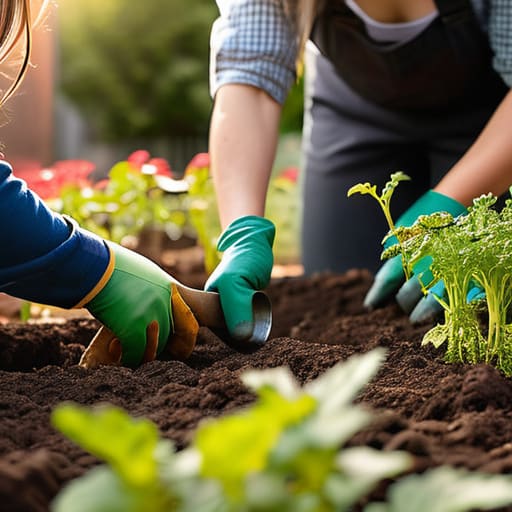
I spent forty minutes yesterday clearing a collapsed section of dry stone wall near the old mill—built, if memory serves, around 1840—and it struck me how much people overcomplicate things. You’ll see those glossy brochures online claiming that starting a community garden requires expensive raised beds, automated irrigation systems, and a committee of twelve people in matching waistcoats. It’s absolute nonsense. Most of those fancy setups fall apart after two seasons because they were designed by people who have never actually had to deal with a Hampshire clay soil or a persistent slug population.
I’m not here to sell you on a lifestyle dream or a complicated blueprint that requires a grant from the council. What I intend to do is give you the unvarnished truth about what it actually takes to get a patch of land working for the village. I’ll tell you which tools are worth the investment and which ones are just a waste of good money, and more importantly, how to make sure the project survives long after the initial excitement has faded. This is about practicality and persistence, not polished perfection.
Table of Contents
- Navigating Local Land Use Permits and the Red Tape
- Testing the Soil Before You Plant the First Seed
- Five things to remember before you pick up a spade
- Three things to remember before you pick up a spade
- More Than Just a Patch of Dirt
- A Bit of Advice Before You Pick Up the Spade
- Frequently Asked Questions
Navigating Local Land Use Permits and the Red Tape
Now, I’ll be the first to admit that nothing kills a bit of local enthusiasm faster than a stack of paperwork. Before you even think about breaking ground or ordering in the compost, you have to contend with the council. Dealing with local land use permits isn’t as glamorous as planting heirloom tomatoes, but it is essential. I remember a group over in Netheravon who spent six months trying to clear a patch of scrubland, only to find out the planning office had the whole thing earmarked for a drainage study. You need to find out exactly who owns the dirt you’re standing on—whether it’s the parish council, a private estate, or the highway authority—and get their blessing in writing.
Once you’ve cleared the legal hurdles, don’t go assuming the ground is as healthy as it looks. I’ve seen plenty of well-meaning projects fail because they skipped the basics, like soil testing for community plots. You don’t want to find out halfway through the summer that your prize-winning marigolds are growing in a bed of old lead paint or heavy metals. It’s better to spend a few quid on a proper test now than to have the whole lot condemned by the health inspectors later.
Testing the Soil Before You Plant the First Seed
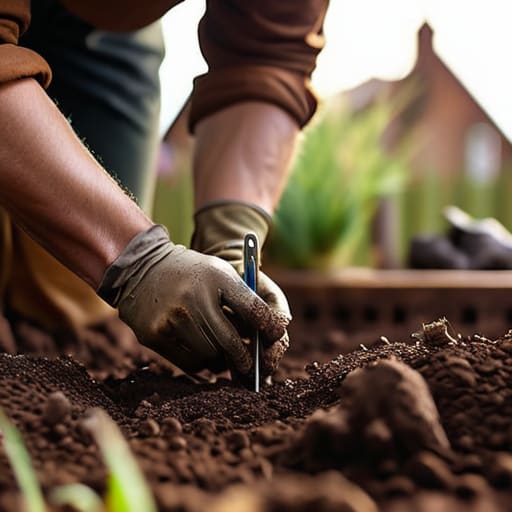
Now, before you go out and buy a dozen packets of heirloom tomato seeds, you need to find out what you’re actually working with. I spent thirty years looking at foundations and drainage, and I can tell you that what’s under the surface matters more than the colour of the petals. You can’t just assume a patch of grass is ready for veg; especially in our part of the country where the clay can be as heavy as a wet woollen jumper. I’d suggest getting a proper kit for soil testing for community plots rather than just poking it with a stick. You need to know your pH levels and, more importantly, if there’s any old lead or heavy metals lingering from whatever stood on that land fifty years ago.
If the results come back looking a bit thin, don’t lose heart. It’s often just a matter of amending the ground with plenty of well-rotted compost to encourage sustainable gardening practices that will last for years. It’s much better to spend a few weeks getting the chemistry right now than to spend the whole summer watching your prize marrows turn yellow and struggle.
Five things to remember before you pick up a spade
- Don’t go it alone. I’ve seen plenty of men try to tackle a patch of ground by themselves, only to find they’ve bit off more than they can chew by mid-July. You need at least three or four reliable neighbours—the sort who actually show up when they say they will—to share the weeding and the watering.
- Water is your most precious asset, and it isn’t free. Before you commit to a site, walk it after a heavy rain to see where the puddles sit, and then check where your nearest tap is. If you’re relying on a hosepipe from a neighbour’s house, you’ll find yourself in a bit of a row by August.
- Start small, and I mean properly small. It’s tempting to look at a vacant lot and see a sprawling allotment, but a garden is only as good as its maintenance. A few well-tended raised beds are worth much more than a half-acre of brambles and waist-high nettles that everyone eventually gives up on.
- Secure your tools properly. I’ve spent thirty years looking at property boundaries, and I can tell you that a loose gate or a broken fence is an invitation for trouble. If you don’t have a sturdy, lockable shed, you’ll be replacing your trowels and shears more often than you’d like.
- Think about the seating, not just the growing. A community garden fails if it’s just a place for manual labour. You need a bench or two where people can sit down and have a chat; otherwise, it’s just a job, not a place for the village to actually gather.
Three things to remember before you pick up a spade
Don’t go it alone; a garden is only as strong as the group of people willing to water it when the summer heat hits.
Check your drainage before you commit to anything, because as I learned back in the spring of ’94, sitting water is just a recipe for rot.
Start small with what you can actually manage, rather than trying to turn a whole acre into a masterpiece by mid-July.
More Than Just a Patch of Dirt
You can spend all the money in the world on organic compost and heirloom tomato seeds, but if you haven’t sat down with the neighbours to decide whose turn it is to water the beds, you haven’t started a garden—you’ve just started a very expensive way to argue over a fence line.
Gordon Ellery
A Bit of Advice Before You Pick Up the Spade
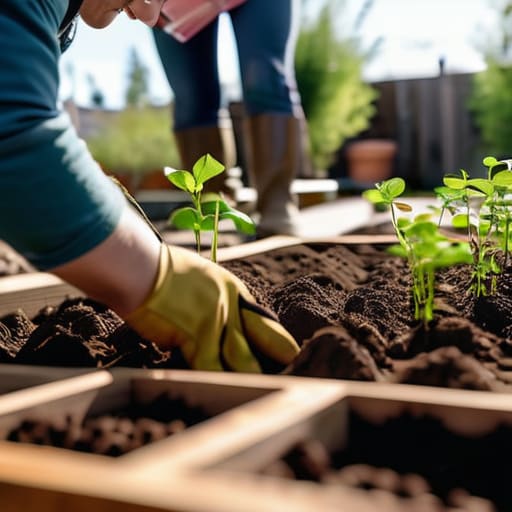
We’ve covered a fair amount of ground, from the headache of navigating council permits to the practicalities of checking whether your soil is actually fit for purpose or just a collection of pebbles and clay. It is easy to get bogged down in the paperwork or the technicalities of pH levels, but remember that these are merely the foundation stones. You can have the best drainage system in the county and a perfectly filed application, but without a group of people willing to show up on a Saturday morning, you just have a patch of dirt. Success in this sort of thing comes down to getting the basics right and ensuring the legalities are settled before you commit your energy to the heavy lifting.
At the end of the day, a community garden is less about the yield of your carrots and more about the people standing in the rows beside you. I’ve spent thirty years looking at property, and I can tell you that a garden won’t add a cent to your house valuation, but it will certainly add something to your life. It is about creating a reason to step away from the television and actually engage with the person living three doors down. If you build it with patience and a bit of common sense, you won’t just be growing vegetables; you will be growing a community that actually looks out for one another.
Frequently Asked Questions
Who actually owns the patch of land we're looking at, and how do we make sure the council doesn't decide to build a car park there in two years' time?
Before you even touch a spade, you need to check the Land Registry. I’ve seen too many well-meaning groups spend months weeding a plot only to find out it’s owned by a developer or a distant estate. Once you know who holds the deeds, aim for a formal lease or a Memorandum of Understanding. If it’s council land, you want that garden written into their long-term local plan, otherwise, it’s just a temporary patch.
How are we going to split the cost of the tools and the water bill without someone feeling like they're paying for everyone else's tomatoes?
Money is where most good intentions go to die, especially when you’re dealing with a shared water meter. I’ve seen parish committees fall apart over much less than a bag of compost. My advice? Keep a simple ledger—paper and pen, not some complicated app. Set a fixed monthly contribution for the basics like water and tools, then let people buy their own specialist gear. It keeps the maths easy and the friendships intact.
What happens if one person wants to grow prize-winning marrows and the neighbour next to them wants a wildflower meadow for the bees?
That’s the real challenge, isn’t it? It’s rarely about the plants and usually about the people. I’ve seen it at the parish meetings—one person wants a tidy, productive patch, and another wants a bit of wilderness. My advice is to draw a line. Literally. Use a low timber border or a bit of gravel to separate the two zones. It keeps the marrows from being choked by clover and gives everyone a sense of order.