
I saw a flyer the other day for a security firm promising “total peace of mind” through a suite of smart cameras and motion-sensor floodlights that cost more than a decent set of draught excluders. It’s all a bit much, isn’t it? People seem to think that learning how to set up a neighbourhood watch involves high-tech gadgets and expensive subscriptions, but they’ve got it backwards. You don’t need a digital eye in the sky if you don’t even know the name of the person living three doors down in the 1920s semi-detached. Real security isn’t about expensive hardware; it’s about the simple, old-fashioned habit of noticing when a van is idling in a lane where it doesn’t belong.
I’m not here to sell you a system or a subscription. What I want to do is show you how to build something that actually works—the kind of setup that relies on a bit of common sense and a few well-placed conversations over a garden fence. I’ll walk you through the practicalities of getting people involved without turning it into a tedious committee meeting. We’ll focus on the real essentials: communication, looking out for one another, and making sure our streets remain the kind of places where people feel safe enough to leave their porch lights on.
Table of Contents
- Organizing Local Resident Groups That Actually Know Each Other
- Community Crime Prevention Strategies That Work on the Ground
- Five Bits of Practical Advice Before You Start Knocking on Doors
- The Real Essentials for a Watching Eye
- ## It's About People, Not Patrols
- A Bit of Advice Before You Head Out
- Frequently Asked Questions
Organizing Local Resident Groups That Actually Know Each Other

Now, you can’t just stick a few stickers on a lamp post and call it a day. If you want to get things moving, you need to start with organizing local resident groups that actually meet face-to-face, rather than just shouting into the void of a WhatsApp group. I remember back in ’94, when we tried to coordinate things around the old mill, we realised that the most effective way to keep an eye out was simply knowing whose car stays in the drive and whose dog barks at the postman. It’s about building those small, daily connections that form the backbone of real community crime prevention strategies.
When you do get people together—perhaps in the village hall or even just over a garden fence—keep it practical. Don’t get bogged down in long-winded meetings that go nowhere. Instead, focus on the basics of reporting suspicious activity in a way that actually helps the police, rather than just causing a panic. The goal isn’t to become a private militia; it’s about building community resilience so that when something feels slightly off, someone is there to notice it and, more importantly, someone is there to check if you’re alright.
Community Crime Prevention Strategies That Work on the Ground
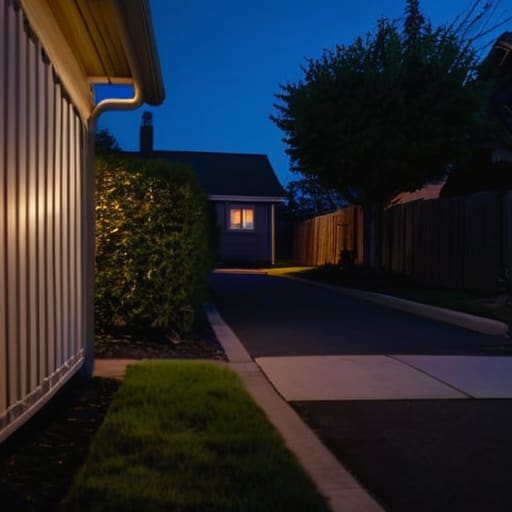
Now, let’s talk about what actually works when the sun goes down. You can have all the fancy signs you want, but real community crime prevention strategies aren’t about patrolling the lanes with torches; they are about awareness. It’s about knowing that the white van parked outside number 42 isn’t the plumber everyone’s expecting, or noticing that a gate which is usually latched has been left swinging wide. Most of the time, it’s just about paying attention to the small things that don’t quite fit the usual pattern.
If you see something that doesn’t look right, don’t feel you have to play detective. The most effective way of reporting suspicious activity is to be clear, calm, and quick with the phone. I’ve seen more trouble caused by people trying to be heroes than by those who simply called it in. It is also worth looking into some proper neighborhood watch training resources—not the heavy-duty stuff, just the basics provided by the local constabulary. It helps everyone stay on the same page and ensures we are building community resilience rather than just spreading unnecessary panic.
Five Bits of Practical Advice Before You Start Knocking on Doors
- Don’t start with a formal meeting in the village hall; that’s a quick way to ensure nobody shows up. Start with a chat over the garden fence or a quick word at the post office. You want to see who is actually interested in looking out for the street before you commit to a calendar of events.
- Keep your contact list simple and physical. While everyone is glued to their smartphones these days, a printed sheet of names and numbers kept in a sensible place—like the local shop or a trusted neighbour’s hallway—is far more reliable when the Wi-Fi decides to play up during a storm.
- Focus on the small, odd things rather than just the big crimes. A neighbourhood watch works best when people notice the car that’s been idling at the end of the lane for twenty minutes, or the delivery van that doesn’t belong to anyone on the road. It’s about noticing the things that feel slightly out of place.
- Avoid the urge to turn into a private police force. We aren’t vigilantes; we’re just neighbours. The goal is to observe and report, not to go chasing people down the lanes. If you see something suspicious, you call the non-emergency number, you don’t go looking for trouble yourself.
- Make sure you include the people who aren’t around during the day. If you only talk to the retired folk or those working from home, you’ll miss the young families and the commuters. A proper watch needs eyes on the street at all hours, not just between ten and two.
The Real Essentials for a Watching Eye
Forget the fancy gadgets; a proper neighbourhood watch is built on knowing who belongs on your lane and who doesn’t, usually by noticing a car that’s idling where it shouldn’t be.
Keep your communication simple and local, because a quick word over a garden fence or a direct message in a group chat is worth more than a formal meeting that no one attends.
Success isn’t measured by how many signs you bolt to a lamp post, but by whether your neighbours actually feel comfortable calling you when they see something slightly off.
## It's About People, Not Patrols
“You can buy all the motion-sensor lights and CCTV cameras you like, but they won’t tell you if a strange van has been idling outside number forty-two for twenty minutes. A proper neighbourhood watch isn’t about playing policeman; it’s about knowing well enough that when the postman sees a door left ajar or a light left on in an empty house, someone is there to make a phone call.”
Gordon Ellery
A Bit of Advice Before You Head Out
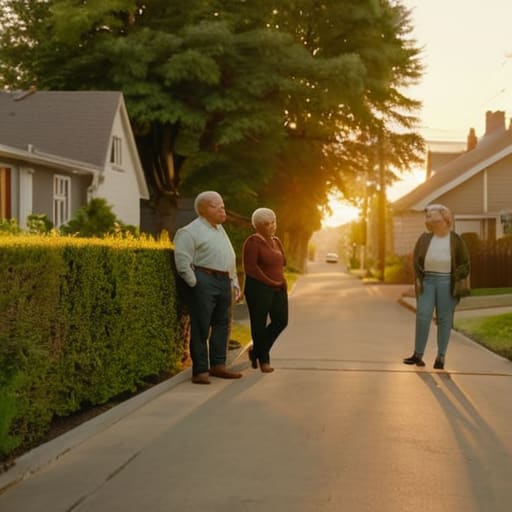
At the end of the day, setting up a neighbourhood watch isn’t about installing the latest motion-sensor floodlight or joining a complex digital forum that nobody actually reads. It comes down to the basics we’ve discussed: getting to know the people on your street, keeping an eye on the odd suspicious van parked up near the old mill, and ensuring you have a reliable way to pass information along without causing a panic. If you can manage to organise a small group that actually communicates—rather than just a list of names on a piece of paper—you’ve done the hard part. It is about building a foundation of awareness that makes our lanes a little less inviting to those who don’t belong here, and keeping our homes a bit more secure in the process.
I’ve spent thirty years looking at the bones of houses, from the Victorian terraces to the newer builds along the B334, and I can tell you that a building is only as strong as its surroundings. A sturdy roof won’t do much good if the community around it has simply given up. When we look out for one another, we aren’t just preventing a theft or a bit of vandalism; we are tending to the social fabric of the village itself. It’s a bit like my dry stone walls—it takes time, a bit of patience, and the right stones in the right places, but once it’s built, it stands the test of time. So, grab a cup of tea, knock on a neighbour’s door, and get started.
Frequently Asked Questions
Do I need to register with the actual police to make this official, or can we just stick to a WhatsApp group and a bit of common sense?
You can certainly start with a WhatsApp group and common sense—in fact, that’s usually where the real work happens. But if you want the official “Neighbourhood Watch” sticker for your gate and a direct line to a dedicated liaison officer, you’ll need to register with the local police. Personally, I’d do both. The WhatsApp group keeps us talking, but the official link ensures the authorities actually know we’re watching.
How do we handle the "difficult" neighbours who don't want to be involved but might be the ones we need to keep an eye on?
Look, I’ve lived next to enough people to know that some won’t join a committee if you offered them free tea. Don’t force it. You don’t need their permission to be observant. If a light stays on all night at number 42, or a van is idling in a driveway at 3:00 AM, note it down quietly. We aren’t playing spies; we’re just keeping a mental map of the street’s usual rhythm.
If we start putting up those yellow street signs, will it actually stop anyone, or does it just make us look like a target?
I’ve seen those yellow signs go up on lanes from Netheravon to Salisbury, and let me tell you, the sign itself won’t stop a determined thief. It isn’t a magic shield. However, it does send a signal that the people living behind those flint walls are paying attention. A thief wants an easy, silent target. If the sign tells them the neighbours are actually talking to one another, they’ll usually move on to an easier street.