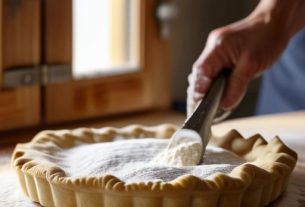
You don’t need a dozen exotic spices or a degree in culinary arts to figure out how to make sausage rolls that actually taste like something. I’ve spent years sitting in drafty village halls during parish meetings, picking at those supermarket trays that are more air and cheap rusk than actual meat, and frankly, it’s a bit of a나 disgrace. People think you need fancy puff pastry from a boutique deli to get it right, but the truth is much simpler: it’s about the quality of the pork and not overworking the dough until it’s as tough as a Victorian foundation.
I’m not here to give you a list of ingredients you can’t find at the local Co-op, nor am I going to use flowery language to hide a mediocre recipe. Instead, I’ll show you how to build a proper sausage roll using honest, reliable methods that I’ve honed over many a Sunday afternoon. I’ll tell you exactly how long to chill the pastry and why the seasoning matters more than the brand of flour you use. If you want a snack that’s worth the effort, let’s get on with it.
Table of Contents
- Recipe Instructions
- The Best Sausage Roll Seasoning for Honest Flavor
- Baking Puff Pastry Tips for Layers You Can Trust
- Five Small Details That Keep a Sausage Roll From Falling Apart
- A Few Final Thoughts Before You Get Into the Kitchen
- A Matter of Substance
- A Final Word Before the Oven
- Frequently Asked Questions
Recipe Details
Ingredients
- 500g high-quality pork sausage meat
- 1 sheet ready-rolled puff pastry
- 1 tablespoon fresh sage, finely chopped
- 1 small onion, finely minced
- 1 egg, beaten for glazing
- 1 teaspoon salt and pepper
Recipe Instructions
Step 1
First things first, you need to get your meat right. I’ve seen too many people buy that pre-mixed supermarket mince that’s more fat than flavour, and it’ll leave you with a soggy mess. Get yourself half a kilo of good quality pork sausage meat—the kind that actually smells of something—and put it in a large mixing bowl. Add a teaspoon of dried sage and a good pinch of salt and pepper; you want the seasoning to be just a bit more assertive than you think, as the pastry tends to soak up the salt.
Step 2
Once your meat is seasoned, you need to prepare your pastry. I prefer using store-bought puff pastry if you’re in a hurry, but if you have the time, a shortcrust is more sturdy for a proper bake. Lay your chilled pastry sheet out on a floured surface, roughly 30 centimetres wide. If the pastry gets too warm and starts to feel greasy under your fingers, pop it back in the fridge for ten minutes. A warm pastry is a defeated pastry, and we aren’t looking for a structural failure here.
Step 3
Now, spread your meat mixture in a long, even strip down the centre of the pastry. Leave about two centimetres of space on either side to ensure you have enough room to seal it. Don’t go piling it too high, or you’ll end up with a burst seam halfway through the oven. I usually aim for a strip about five centimetres wide; it’s a sensible proportion that ensures every bite has a bit of both elements.
Step 4
To close the roll, brush a little milk or a beaten egg along the edges of the pastry. Fold the sides over the meat and press down firmly with your fingers to create a neat log. Use a sharp knife to cut the roll into pieces about two inches thick. If you’re feeling a bit more particular, you can score the tops with a pattern, but don’t go overboard. Place them on a baking tray lined with parchment, making sure they aren’t crowding each other too much, or they won’t crisp up properly.
Step 5
Finally, brush the tops with a little extra egg wash to give them that golden, professional sheen. Slide them into an oven preheated to 200°C. You’re looking for about twenty to twenty-five minutes, or until the pastry has risen and turned a deep, honeyed brown. I always check them by looking for that distinctive golden hue that tells you the fat has rendered and the pastry is crisp. Let them sit on the tray for five minutes before you dive in; if you eat them piping hot, you’ll only scald your tongue.
The Best Sausage Roll Seasoning for Honest Flavor
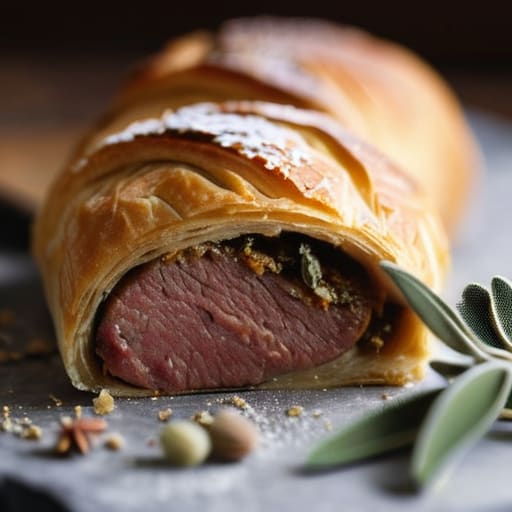
Now, don’t go thinking a sausage roll is just about wrapping meat in dough; the soul of the thing is in the seasoning. I’ve spent enough time inspecting the structural integrity of various local pies to know that a bland filling is a wasted opportunity. If you want the best sausage roll seasoning, you need to move beyond just salt and pepper. I usually lean toward a generous hand of dried sage and a pinch of nutmeg—the nutmeg is an old trick, but it adds a depth that makes people stop mid-bite to wonder what you’ve done.
If you’re looking for a bit of variety, some of the older families around here swear by adding a teaspoon of Dijon mustard directly into the mince. It provides a sharp counterpoint to the richness of the pork. Whether you are making these as quick savory pastry snacks for a Saturday afternoon or something more substantial, remember that the meat should be seasoned before it hits the pastry. If the meat is dull, the whole roll will be, no matter how much you fuss over the golden finish of your egg wash.
Baking Puff Pastry Tips for Layers You Can Trust

Now, if you are using a shop-bought sheet of pastry—which, let’s be honest, most of us are when the Sunday roast is looming—the biggest mistake is letting it get too warm. I’ve seen plenty of a good batch go limp because the pastry sat on a warm kitchen counter for twenty minutes while the meat was being seasoned. For the best results, keep your dough chilled right up until the moment it meets the oven. If it starts to feel soft or greasy under your fingers, pop it back in the fridge for ten minutes. It’s a simple bit of discipline, but it’s the difference between a flaky crust and a heavy, doughy mess.
When it comes to the finish, don’t overlook the sausage roll egg wash. A quick brush of beaten egg doesn’t just add a bit of shine; it provides that sturdy, golden-brown structure that holds these homemade meat rolls together. If you want a bit of texture, a light sprinkle of sea salt or even some poppy seeds on top can make a simple snack feel a bit more substantial. It’s these small, practical touches that turn a quick bite into something worth sitting down for.
Five Small Details That Keep a Sausage Roll From Falling Apart
- Keep your meat and your pastry cold; I’ve seen too many people leave the mince sitting on the counter while they’re busy with the herbs, and once that fat starts to soften, you’ve lost the battle for a crisp crust.
- Don’t overwork the dough when you’re rolling it out; if you handle it too much with warm hands, you’ll squeeze the life out of those layers and end up with something more akin to a heavy biscuit than a proper pastry.
- Use a sharp knife for the cuts, not a serrated one; you want clean, decisive slices so the pastry doesn’t drag and tear, leaving you with a messy end that looks more like a construction site mishap than a tea-time treat.
- Watch your egg wash; a light, even coat is all you need to get that golden colour, but if you let it pool in the cracks, it’ll bake into a hard, yellow crust that’s more trouble than it’s worth.
- Give them room to breathe on the baking tray; I’ve tried crowding them together to save space, but they need that bit of air between them to ensure the heat circulates properly and the bottoms don’t end up soggy.
A Few Final Thoughts Before You Get Into the Kitchen
Don’t be tempted by the cheap, pre-mixed supermarket sausage meat; if you want a roll that actually holds its shape and tastes of something, buy a good quality pork mince and season it yourself.
Keep that pastry cold, from the moment you take it out of the fridge until it hits the oven, otherwise you’ll end up with a greasy, flat mess rather than those crisp, reliable layers we’re after.
Patience is worth its weight in gold when it comes to the seasoning; let the meat sit with your herbs for a bit before rolling it up, much like letting a new house settle before you start moving the furniture in.
A Matter of Substance
You can buy all the fancy pastry in the world, but if the meat inside is nothing but air and cheap filler, you’ve wasted your time and your flour; a proper sausage roll should have enough weight in the hand to let you know it’s worth the bite.
Gordon Ellery
A Final Word Before the Oven
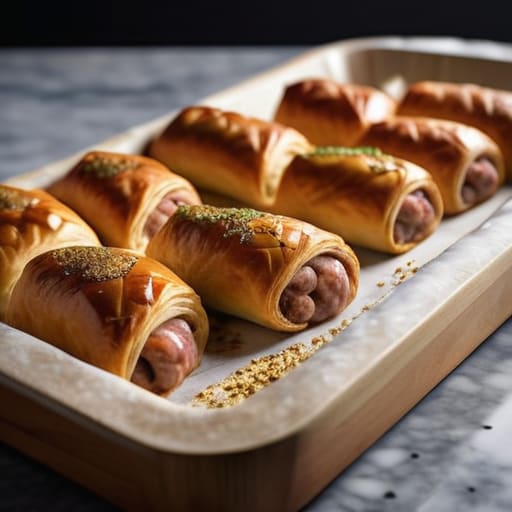
If you have followed the steps, you should be standing there with a tray of pastry that actually holds its shape and meat that tastes of something more than just salt. Remember, the secret isn’t in some fancy culinary gadget you’ll never use; it is in the quality of the sausage meat you select and the patience you show when chilling that dough. I have seen many a well-intended cook rush the process, only to end up with a greasy, collapsed mess that would make a surveyor weep. Don’t forget to keep your workstation cool and ensure your seasoning is generous but balanced before you roll them up.
At the end of the day, a sausage roll is a bit like a well-maintained cottage in the village: it doesn’t need to be flashy to be substantial, it just needs to be built well. There is a particular sort of satisfaction in pulling a golden, flaky tray out of the oven and knowing exactly what went into it. Whether you are serving these at a parish meeting or just having a bit of a treat on a Tuesday afternoon, they are a reminder that simple things done properly are usually the things that last. Now, get them out of the kitchen and onto a plate before they get cold.
Frequently Asked Questions
Can I use a different type of sausage meat if I can't find a good butcher nearby?
You can, but you’ll have to be careful. If you can’t get to the butcher in Salisbury, avoid those supermarket packs that feel more like bouncy rubber than meat. They’re often too wet and will turn your pastry into a soggy mess. If you’re using shop-bought pork mince, add a bit of extra sage and maybe a pinch of fennel to give it some backbone. It’s not quite the same, but it’ll do.
How long will these keep in the fridge if I make a large batch for a village fête or a Sunday lunch?
If you’re prepping for the fête at the village hall, keep them in an airtight container in the fridge; they’ll stay good for about three days. Any longer and that pastry starts to lose its crispness, turning a bit sodden. If you’ve made a massive batch for Sunday lunch, I’d suggest freezing them raw on a tray first, then bagging them up. That way, you can pop them straight in the oven when you’re ready.
What is the best way to stop the pastry from getting soggy at the bottom if the meat is particularly juicy?
The trick is a bit of structural engineering. If you’re dealing with a particularly moist sausage meat—perhaps from a local butcher who doesn’t skimp on the fat—lay a thin layer of breadcrumbs or even a few torn bits of fresh sage over the pastry before adding the meat. It acts as a sponge. Also, make sure your oven is truly up to temperature; a hot blast from the start sets the base before the juices can soak in.