I was sitting in my sitting room last Tuesday—the one in the old cottage near the church, built roughly 1840, mind you—when I noticed the chill creeping in from the north wall. It wasn’t just a draft; it was that specific, biting cold that tells you your heating is working far harder than it needs to. Most people think they need to call out an expensive engineer the moment a room feels lukewarm, but more often than not, you just need to learn how to bleed a radiator. It’s a simple bit of maintenance, yet I see so many folks in the village letting their bills climb simply because they’re afraid of a little bit of water on the floorboards.
I’m not going to give you any of that overly complicated nonsense you find in those glossy home magazines. Instead, I’ll walk you through exactly what you need, from the specific key you’ll require to the precise moment you need to stop turning that valve. I’ve spent thirty years looking at the bones of houses, and I can tell you that mastering this small task is the best way to keep your home warm without breaking the bank.
Table of Contents
Guide Overview
Tools & Supplies
- Radiator key or flat-head screwdriver to turn the valve
- Cloth or rag to catch small drips
- Small container or bowl to catch water
- Microfiber towel for cleaning spills
Step-by-Step Instructions
- 1. Before you start making a mess, you’ll need to find a radiator key. They are small, brass things that look like they belong in a Victorian clockmaker’s shop, but you can get them for a pound or two at any hardware store in the village. I also suggest having a small rag or an old tea towel at the ready; you don’t want to be mopping up lukewarm water with your sleeve while your fingers are freezing.
- 2. First, you must turn off your central heating boiler. If the pump is running while you’re trying to let the air out, it’ll just push more air into the system or, worse, pull the water back in as soon as you stop. I usually do this about ten minutes before I start, just to let the water in the pipes settle down a bit.
- 3. Locate the bleed valve at one end of the radiator. It’s usually a small, square-headed nut tucked near the top corner. If you’ve inherited an older property—perhaps one of those lovely mid-century semis built around 1955—the valve might be a bit stubbornly stuck due to a bit of limescale. Give it a gentle nudge, but don’t go at it with a hammer.
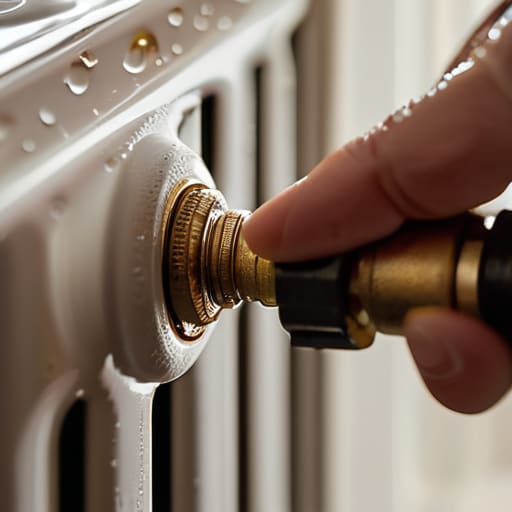
- 4. Place your rag or a small bowl directly underneath the valve to catch the inevitable drip. Insert the radiator key into the slot and turn it slowly anti-clockwise. You aren’t trying to unscrew the whole thing; you just want to crack it open enough to hear a hissing sound, which is the sound of the trapped air finally making its exit.
- 5. Keep your eye on the flow of air. As long as you hear that hissing, the air is leaving. Once the sound stops and a steady stream of water begins to squirt out, you’ve done the job. Don’t wait too long or you’ll end up with a damp carpet, and as any surveyor will tell you, damp is the enemy of a good floorboard.
- 6. Tighten the valve back up by turning the key clockwise. Be careful not to over-tighten it; you want it firm but not forced. If you feel a lot of resistance, stop there. It’s much easier to fix a slightly leaky valve than it is to replace one that you’ve stripped the threads on.
- 7. Finally, head back to your boiler and turn the heating back on. You might find that you need to repeat this process on every radiator in the house, especially if the air has travelled through the whole system. I always walk through the rooms to feel the heat; if the top of the radiator is still cold, you’ve likely got more air to chase.
Recognising the Signs of Air in Heating System
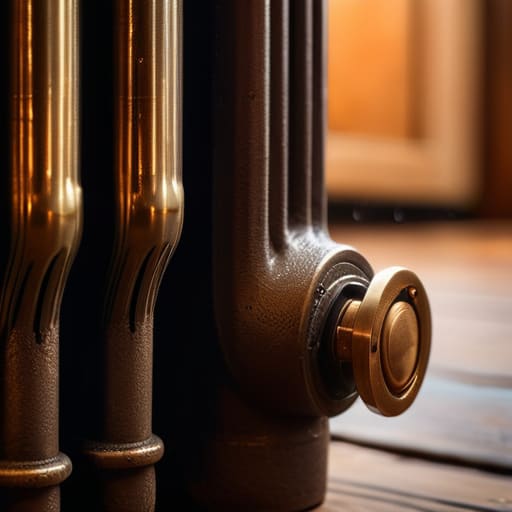
You don’t always need a toolkit to know something is amiss; usually, your ears will tell you first. If you’re sitting in the lounge and hear a faint, rhythmic gurgling or bubbling sound coming from behind the panel, that’s the classic giveaway. It’s the sound of trapped air in central heating moving through the pipes, much like water rushing through a stone culvert after a heavy downpour. If you notice one end of the radiator is scorching hot while the other remains stubbornly lukewarm, you’ve got a pocket of air blocking the flow.
It isn’t just about the noise, though. I’ve often seen folks ignore a radiator that’s making a bit of a racket, only to find their energy bills have crept up because the system is working twice as hard to move heat through an inefficient loop. This bit of central heating troubleshooting is best done before the first real frost hits the valley. Once you’ve finished, don’t just walk away; make sure you’re checking boiler pressure after bleeding to ensure you haven’t let too much water out of the system in your haste.
How to Use a Radiator Key Without the Mess
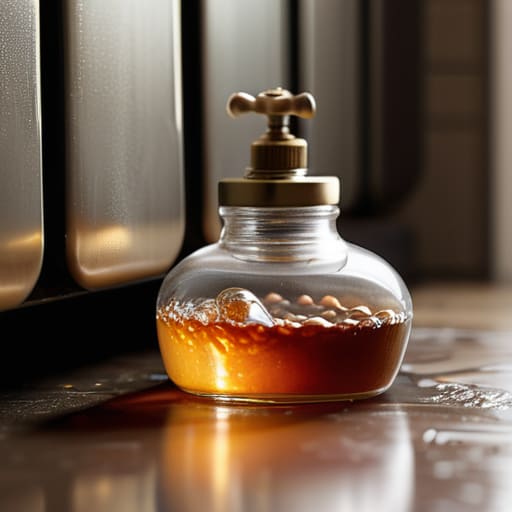
Now, I’ve seen more than one person end up with a puddle of lukewarm water across their rug because they approached the bleed valve with more enthusiasm than caution. If you are wondering how to use a radiator key without turning a simple bit of maintenance into a mop-and-bucket job, the secret is all in the preparation. I always keep a small, shallow jam jar or even a sturdy old mug handy. Hold it directly beneath the valve before you even think about turning the key. You want to catch that first spurt of water immediately, as it often comes out with a bit of a cough.
It is also worth noting that you’ll encounter different radiator valve types depending on whether you’re in one of the newer builds near the village centre or an older cottage with original plumbing. Some valves are a bit stiff, especially if they haven’t been touched since the late nineties. Don’t force them; a gentle, steady turn is far better than a sudden yank. Once you’ve finished the job, don’t forget the most important final step: checking your boiler pressure. Bleeding the air out naturally drops the pressure, and you’ll likely need to top it up at the filling loop before the system decides to go on strike.
A bit of common sense before you start
- Turn your heating system off at least thirty minutes before you begin. If the pump is still running and the water is hot, you’ll end up with a sudden spray of scalding liquid rather than a gentle trickle, and I’ve never seen a person enjoy a lukewarm tea after being scalded by a Victorian-era radiator.
- Keep a proper rag or a small bowl handy. I’ve seen people try to use a single sheet of kitchen roll, but once that water hits the floorboards—especially in those older cottages with the uneven timber—you’ll be spending your Saturday afternoon drying them out instead of relaxing.
- Don’t over-tighten the valve once the air stops hissing. It’s tempting to give it a real heave to make sure it’s shut, but those brass fittings can be finicky; if you strip the thread, you’re looking at a plumber’s visit rather than a five-minute job.
- Always start with the radiators on the ground floor and work your way up. The air naturally rises to the highest point in the system, so if you start upstairs, you’ll find yourself chasing bubbles around the house like a dog after a ball.
- Check your boiler pressure on the gauge once you’ve finished the whole lot. Bleeding the air out of several radiators will inevitably drop the pressure, and if it falls too low, the boiler won’t fire up at all, leaving you exactly where you started—cold.
A Few Final Thoughts Before You Put the Key Away
If you’ve spent twenty minutes wrestling with a single radiator and it’s still coming up cold, don’t go poking at it further; it’s likely a pump issue or a sludge buildup that requires a proper professional, not just a bit of air removal.
Always keep a rag or an old towel handy, because even if you’re careful, a sudden burst of water from a valve can ruin a decent carpet faster than you can reach for the phone.
Make sure you turn your heating off and let the system cool down before you start; trying to bleed a radiator while it’s piping hot is a quick way to end up with a scald and a very bad start to your morning.
A Bit of Warmth and a Dry Floor
“I’ve spent thirty years looking at damp patches and cold spots in cottages from Salisbury to Marlborough, and I can tell you this: a radiator that’s cold at the top isn’t just a nuisance, it’s a sign you’ve let the air win. A quick turn of a key is usually all it takes to get the heat back where it belongs, provided you’ve got a rag handy and a bit of patience.”
Gordon Ellery
A Bit of Warmth Before Winter
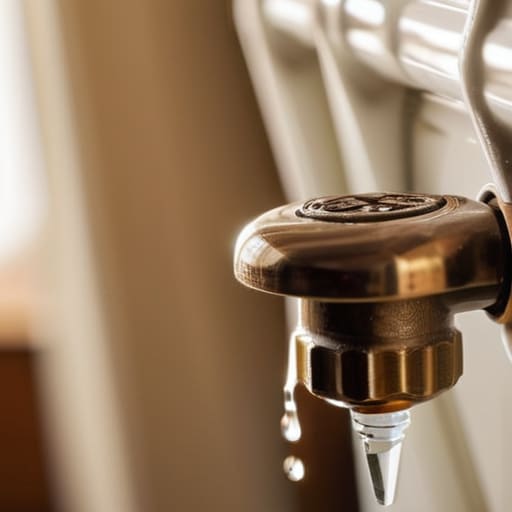
Once you’ve finished, give each radiator a quick check to ensure the temperature is consistent from top to bottom. If you’ve done it properly, that cold spot should have vanished, replaced by a steady, even heat. Remember to keep a rag handy next time; even with a steady hand, a little bit of black, oily water is almost inevitable when the air finally gives way. It’s worth taking five minutes to check the valves on every radiator in the house now, rather than waiting until the first proper frost hits and you’re left shivering in your own sitting room. It is a small task, but preventative maintenance is far cheaper than a call-out fee for a heating engineer on a Tuesday morning in January.
At the end of the day, looking after these little things is what keeps a house feeling like a home. I’ve spent thirty years looking at property, and I can tell you that the most comfortable houses aren’t the ones with the grandest hallways, but the ones where the systems are well-tended. There is a particular kind of satisfaction in knowing you’ve kept the chill at bay with nothing more than a bit of elbow grease and a standard radiator key. It’s about more than just warmth; it’s about the quiet confidence that comes from knowing your own four walls are looked after. Now, get that heating turned up and enjoy a well-earned cup of tea.
Frequently Asked Questions
If the water coming out of the valve is still dark or looks a bit murky, does that mean I’ve done something wrong or is it just old?
Don’t fret; you haven’t broken anything. I’ve seen plenty of systems in these older cottages where the water looks more like weak tea than anything else. It’s just old, stagnant liquid that’s been sitting in the pipes for a few seasons. As long as the air bubbles have stopped and the flow is steady, you’re fine. Just keep a rag handy and let it run until it clears up a bit.
Do I need to turn the heating off before I start, or will I just end up making a mess of the floorboards?
You’ll want to switch the heating off first. I’ve seen too many people try to bleed a radiator while the pump is still running, only to end up with a lukewarm spray that misses the key entirely. Turn the heating off and let the system cool down for at least thirty minutes. It stops the water from being under pressure, which is the best way to keep your floorboards dry.
What should I do if the valve is stuck tight and won't budge even with a bit of a nudge from the key?
Now, if that valve is playing hardball, don’t go forcing it with a pair of pliers. I’ve seen enough stripped brass heads in my time to know that once you round off that little square, you’re looking at a plumber’s bill rather than a quick fix. Give it a tiny tap with the handle of a screwdriver to see if it’s just seized with grit, but if it won’t budge, leave it be.