
I was standing in a hallway in a lovely mid-century detached over in Chawton last Tuesday, watching a young couple walk through a property that had been “staged” to death. The place smelled of nothing but expensive lavender spray and looked like a showroom where nobody actually lived. It was all designer cushions and sterile surfaces, but when I looked up at the ceiling, I saw the tell-tale damp stain from a leaking gutter that hadn’t been cleared since the late nineties. People spend thousands on fancy furniture thinking that’s the secret to how to prepare a house for sale, but they completely miss the point. A buyer can forgive a dated carpet, but they won’t forgive the feeling that the bones of the house are tired.
I’m not here to sell you on expensive interior designers or the latest colour trends from a magazine. What I want to do is show you how to focus on the practical realities that actually move the needle when a surveyor or a serious buyer walks through your door. I’ll be sharing the honest, no-nonsense bits—from fixing that drafty window in the landing to clearing the brambles off the garden path—so you can present a home that feels solid, honest, and ready for its next chapter.
Table of Contents
- An Essential Home Maintenance Checklist for Peace of Mind
- Increasing Home Resale Value Through Honest Upkeep
- The Little Things That Actually Move the Needle
- A Few Final Thoughts Before You Put the Sign Up
- The Real Value of a House
- Final Thoughts Before the For Sale Sign Goes Up
- Frequently Asked Questions
An Essential Home Maintenance Checklist for Peace of Mind
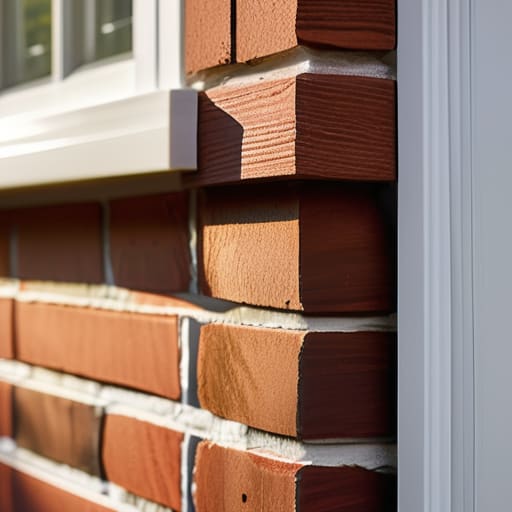
Now, I’ve spent enough time squinting at damp patches in Victorian terraces to know that a buyer’s enthusiasm can evaporate the moment they spot a hairline crack in a ceiling or a sagging gutter. You can spend a fortune on staging, but if the boiler is making a racket or the windows are rattling in their frames, they’ll sense it. I always tell people that an essential home maintenance checklist isn’t just about ticking boxes; it’s about removing the reasons for a surveyor to suggest a price reduction. Check your roof tiles, clear the gutters, and for heaven’s sake, make sure the front door actually closes properly without a fight.
It isn’t just about the structural bits, either. Small, neglected details can quietly undermine your efforts at maximizing property appeal. A dripping tap or a loose skirting board might seem trivial to you, but to someone looking to spend their life savings, it looks like a house that hasn’t been loved. Taking the time to tighten a screw or caulk a gap around a bath is a simple way of increasing home resale value without needing a massive budget. It shows you’ve looked after the place, and that counts for a lot.
Increasing Home Resale Value Through Honest Upkeep
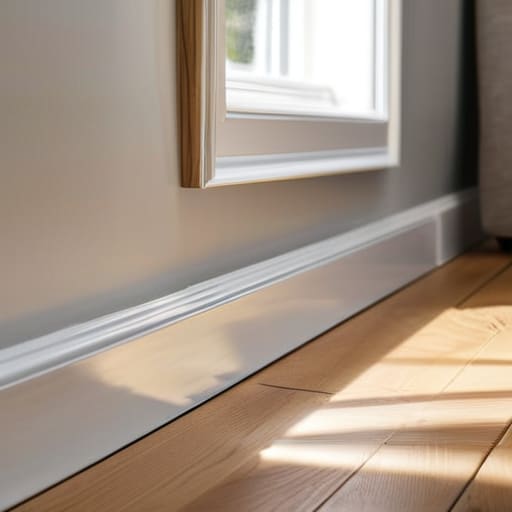
Now, I’m not talking about those expensive, high-concept kitchen renovations you see in the glossy magazines. I’ve sat in many a sitting room during a valuation, and I can tell you that buyers see right through a fancy marble countertop if the skirting boards are chipped or the door frames are scuffed. When it comes to increasing home resale value, the real trick is in the details that suggest the house has been loved. It’s about the small, honest bits of work—tightening a loose handrail or ensuring the sealant around the bath isn’t peeling—that signal to a person that they won’t have to spend their first six months living in a building site.
You also shouldn’t overlook the view from the driveway. I often tell people that curb appeal improvements start long before they step through the front door. A tidy hedge, a clear path, and a door that doesn’t stick when you turn the key do more for your confidence than a dozen professional photographs ever could. It isn’t about making the place look perfect; it’s about making it look ready.
The Little Things That Actually Move the Needle
- Clear the clutter, but don’t strip the soul out of it. I’ve seen houses that look like showroom floors, and frankly, they feel cold. You want a buyer to imagine their own kettle on the counter, not feel like they’re trespassing in a museum. Get rid of the piles of mail and the half-finished jigsaw on the coffee table, but leave a few books on the shelf so it feels lived-in.
- Light is your best friend, and it costs next to nothing. I always tell people to check their bulbs; there is nothing that makes a decent Victorian terrace feel dingy like a single, dimtingly yellow bulb in the hallway. Open every curtain, wipe the glass, and if you can, get a few decent lamps in the corners to soften the shadows.
- Tackle the smells before you ever open the front door. A house might look grand, but if it smells of damp or last week’s cabbage, a buyer’s brain will tell them something is wrong before they’ve even seen the kitchen. Open the windows for an hour on a breezy morning, but avoid those heavy, artificial air fresheners—they just make people think you’re hiding a leak.
- The “First Impression” walk-through. Stand at the bottom of your driveway and look up. Is there moss choking the guttering or a hedge that’s grown so wild it’s obscuring the front door? You only get one chance to make a person feel welcome, and that happens long before they step over the threshold.
- Be honest about the “niggles.” If there is a cupboard that sticks or a tap that drips, don’t try to hide it with a bit of putty. I’ve sat through enough surveys to know that a buyer spotting a small, unaddressed fault will immediately start wondering what else you’ve been covering up behind the skirting boards.
A Few Final Thoughts Before You Put the Sign Up
Don’t get distracted by expensive gadgets or fancy kitchen islands; a buyer will forgive a dated cupboard, but they won’t forgive a damp patch in the corner of the landing that you tried to hide with a picture frame.
Be honest about the bones of the house, because if I spent thirty years spotting structural cracks in cottages built in the 1840s, a savvy buyer will spot them too, and it’s much better to address them now than to have a survey stall the whole sale later.
Remember that you aren’t just selling bricks and mortar, you’re selling a life, so make sure the place feels like a home where someone could actually imagine themselves having a cup of tea on a Sunday morning.
The Real Value of a House
You can scrub the skirting boards until they shine, but a buyer will smell a damp patch behind a wardrobe or a loose floorboard long before they notice your new curtains; sell them the truth of a well-kept home, not just the gloss.
Gordon Ellery
Final Thoughts Before the For Sale Sign Goes Up
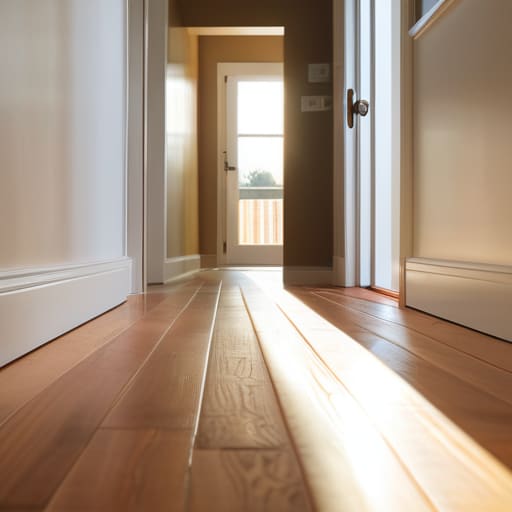
At the end of the day, preparing a house isn’t about chasing every fleeting interior design trend you see in a glossy magazine. It is about the fundamentals: ensuring the roof over their heads is sound, the boiler won’t give up the ghost in mid-January, and the damp hasn’t crept into the corners of the pantry. I have spent far too many years looking at survey reports that could have been avoided with a bit of foresight and a steady hand. If you take the time to address the structural realities and keep up with the honest, unglamorous maintenance, you aren’t just protecting your asking price; you are building confidence in the person standing in your hallway.
When the viewing day finally arrives, try to remember that you aren’t just selling bricks, mortar, and perhaps a bit of Victorian timber. You are selling the life you built within those walls. People come looking for a place where they can imagine their own Sunday mornings and their own garden gatherings. If you present a home that feels cared for—not just scrubbed clean, but truly tended to—you will find that the right buyer will see it. A house is more than its postcode, and if you treat it with respect, it will surely return the favour when it comes time to move on.
Frequently Asked Questions
Should I spend money on those trendy modern kitchen updates, or is it better to just keep things clean and functional for a sensible buyer?
Look, I’ve seen plenty of people pour thousands into those handle-less, high-gloss kitchens only to find they’ve missed the mark. A sensible buyer—the kind who actually wants to live in a house, not a showroom—values a working hob and a cupboard that doesn’t creak. If your kitchen is clean, the plumbing is sound, and the surfaces are solid, leave the trendy marble alone. Spend that money on fixing the damp or the drafty windows instead.
How much of the "clutter" should I actually hide away, and at what point does a house start looking like a showroom rather than a home?
You want to clear the surfaces, not strip the soul out of the place. I’ve walked through many a lovely cottage that felt more like a museum than a residence; they’re hard to love. Clear the kitchen counters of the toaster and the mail, and hide the overflowing toy boxes, but leave a few books on the shelf. If a buyer can’t imagine themselves having a cup of tea there, you’ve gone too far.
If I know the boiler is getting a bit temperamental or there's a small damp patch in the scullery, is it better to fix it now or just be upfront about it when the surveyor arrives?
Now, listen to me: fix it. I’ve spent thirty years looking at survey reports, and nothing kills a sale faster than a “temperamental” boiler. A buyer sees a temperamental boiler and thinks “expensive replacement”; they see a small damp patch and think “structural failure.” Even if you’re honest, that doubt lingers. Fix the damp, service the boiler, and show them you’ve cared for the place. It’s much cheaper to pay a plumber now than to lose a buyer later.