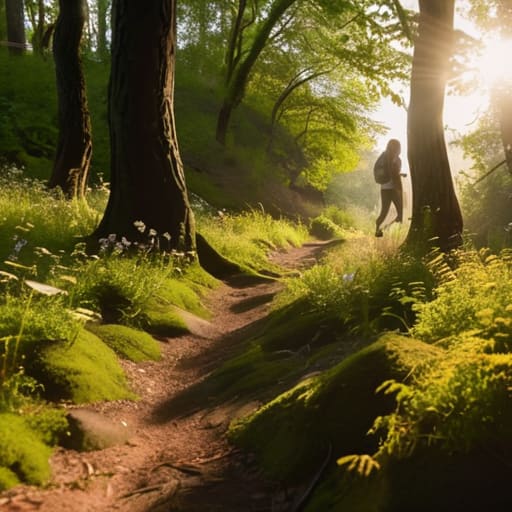
I saw a glossy magazine in the village shop last Tuesday claiming that the secret to wellness is a three-hundred-pound pair of carbon-fibre hiking boots and a subscription to a mountain retreat. Honestly, it’s enough to make you want to stay indoors and bolt the door. People make it sound like you need a permit and a Sherpa just to catch a breath of fresh air, but that’s nonsense. If you’re looking for how to get outside more, you don’t need a mountain range or a massive credit card limit; you just need to realize that the bit of hedgerow at the end of your lane is just as valid as the Peak District.
I’m not here to sell you on some expensive lifestyle trend or a “mindfulness” retreat that costs more than a new roof. My aim is to give you the plain truth, based on years of walking these lanes and knowing exactly which paths turn into a bog after a heavy rain. I’ll show you how to find the joy in the small, local stretches that actually matter, without the unnecessary fuss or the hefty price tag.
Table of Contents
Incorporating Nature Into Daily Routine Without the Long Drive

You don’t need to navigate a motorway service station to find a bit of peace. I’ve spent enough time looking at floor plans to know that even a small garden or a patch of verge can do the job if you look at it properly. If you’ve got a garden, even one as cramped as those Victorian terraces near the station, stop viewing it as a chore to be mown. Sit in it for ten minutes with your tea. It’s one of the simplest outdoor lifestyle tips I can give: just being present in the air, rather than staring at a kitchen wall, changes your perspective.
If you’re stuck in a more urban spot, look to the local park or even the churchyard—the one built around 1840, if you’re near the old mill. Walking those perimeter paths isn’t just about the steps; it’s about the benefits of nature therapy that come from seeing something grow that isn’t a digital pixel. Even a fifteen-minute loop around the block provides enough sunlight exposure benefits to keep the winter blues at bay. You don’t need a mountain range; you just need to step out the front door.
The Sunlight Exposure Benefits of Your Own Back Garden

Now, I’m not one for getting overly sentimental about a patch of grass, but there is something to be said for sitting in your own garden with a cup of tea. You don’t need to trek halfway to the New Forest to find a bit of peace. Most of us have a small space—even if it is just a paved patio or a patch of lawn behind a Victorian semi—that can serve its purpose. I’ve found that even fifteen minutes of morning light on your face can do more for your internal clock than any expensive gadget. It’s one of those simple sunlight exposure benefits that people tend to overlook because it feels too easy to be effective.
I spent most of my career looking at the structural integrity of buildings, but lately, I’ve been more interested in how a bit of vitamin D affects the person living inside them. If you can manage to step out during your lunch break, even if it is just to check if the hydrangeas are holding up, you are practicing a form of outdoor activities for mental health without even trying. It isn’t about a grand adventure; it’s just about being present in the air.
A few practical ways to stop making excuses
- Stop waiting for the perfect weather. I’ve spent thirty years walking sites in the pouring rain, and I’ll tell you this: a sturdy pair of boots and a proper wax jacket make a world of difference. If you wait for a cloudless sky, you’ll spend most of the year staring at your living room walls.
- Use your lunch break for something other than a sandwich at your desk. There’s a lovely stretch of footpath behind the old mill—it’s about a twelve-minute walk from the village square—that’ll clear your head better than any coffee. Just make sure you’re back before the 1:00 PM rush.
- Keep your walking gear by the front door. I’ve noticed that if my boots are tucked away in the airing cupboard, I’m far less likely to use them. If they’re right there by the hall, ready to go, it’s much harder to talk yourself out of a quick loop around the lane.
- Find a local task that actually requires you to move. Last month, I spent three hours helping the parish council clear some brambles near the churchyard—built in 1842, mind you, and in desperate need of it. It’s hard work, but it beats sitting in front of the telly, and you’ll feel the difference in your legs by tea time.
- Walk for your errands instead of driving. If you’re heading to the post office or the corner shop, leave the car in the drive. It’s only a few hundred yards, but it keeps your joints moving and lets you actually notice when the neighbours are out tending their roses.
A few things to remember before you head out
Don’t wait for a grand expedition to the New Forest; the best way to get moving is to use the bit of ground right outside your front door, even if it’s just the walk to the post box.
Keep an eye on the light, not just the weather; getting ten minutes of morning sun on your face is worth more than an hour of squinting through a window.
Leave the phone in your pocket and actually look at the boundary walls or the hedgerows; you’ll notice a lot more about where you live when you aren’t staring at a screen.
## The view from the doorstep
You don’t need a map of the New Forest or a weekend in the Lake District to find some peace; most of the time, it’s just a matter of stepping past the garden gate and walking until the sound of your own front door closing is finally replaced by something better.
Gordon Ellery
A final word on the matter

We have covered a fair bit of ground today, from the simple necessity of catching the morning light in your own patch of grass to finding ways to bring the outdoors in when the weather turns foul. It isn’t about trekking up the Andes or booking a week in a boutique hotel; it is about the small, practical things. Whether it is a ten-minute stroll down the lane behind the old mill—which, for those wondering, was rebuilt in 1892 after the great storm—or just sitting on the porch for a cup of tea, these moments count. You don’t need a grand plan or a mountain of expensive gear. You just need to stop making excuses and start noticing the world that is sitting right on your doorstep.
At the end of the day, I have spent thirty years looking at floorplans and chimney stacks, and I can tell you that a house is only half a home if you never actually step out of the front door. A building is just bricks and mortar, but the air, the trees, and the changing light are what actually make us feel alive. Don’t wait for the perfect summer afternoon or a cleared schedule to make this happen. Just lace up your boots, walk out the gate, and see where the path takes you. You might find that the best part of your day was only fifty yards from your own driveway.
Frequently Asked Questions
What do I do if my garden is just a patch of patchy grass and a concrete patio?
Don’t let a bit of tired lawn discourage you. I’ve valued plenty of properties with nothing but a concrete slab and a few weeds, and they can still be worth a look. Start small. A couple of large terracotta pots on that patio with some lavender or rosemary will do more for your spirit than a manicured lawn ever could. Even a single bird feeder near the window makes a difference. It’s about the presence of life, not the perfection of the landscaping.
Are there any good walking routes nearby that won't leave me stuck in the mud if it rains?
If you’re looking to avoid the muck, steer clear of the old bridleway behind the church; it turns into a bog the moment the clouds break. Instead, stick to the perimeter track around the manor estate. It’s well-drained gravel, laid back in the late nineties, so it holds up quite well. It’s a steady three-mile loop. It won’t give you the views of the downs, but your boots will stay clean.
How much time do I actually need to spend out there to make a difference to my mood?
I’ve never been much for the scientific jargon, but I’ve seen enough faces change after a bit of fresh air to know it works. You don’t need a three-hour trek through the New Forest to see a difference. Honestly, twenty minutes—just enough time to walk to the post office and back—is usually enough to clear the cobwebs. It isn’t about the mileage; it’s about stepping off the rug and breathing something that hasn’t been filtered.