
I was standing in the hallway of a lovely Victorian terrace in Salisbury last Tuesday—a fine bit of masonry from about 1885—and I could feel the chill seeping through the floorboards despite the radiator being cranked up to full blast. It’s the same old story: people spend a fortune on smart thermostats and fancy gadgets, thinking that’s the secret to how to stay warm in winter, when in reality, they’re just heating the street through a gap in the window frame. You can buy all the technology in the world, but if you haven’t addressed the basic physics of a draughty door or a poorly insulated loft, you’re essentially just throwing money out of the window.
I’m not interested in selling you a subscription to a heating app or some overpriced gadget from a catalogue. What I want to do is share what actually works, based on thirty years of looking at how houses hold—or lose—their heat. I’ll be sticking to the practical, low-cost realities of keeping a home cosy, from sealing up those pesky gaps to choosing the right kind of woollens. No fluff, just the honest truth about keeping the frost at bay.
Table of Contents
- Insulating Your Home for Winter One Draught at a Time
- Preventing Heat Loss in Rooms You Actually Use
- A few practical ways to keep the chill at bay
- A few things to keep in mind before the frost sets in
- ## A bit of common sense for the cold months
- A bit of common sense for the cold months
- Frequently Asked Questions
Insulating Your Home for Winter One Draught at a Time
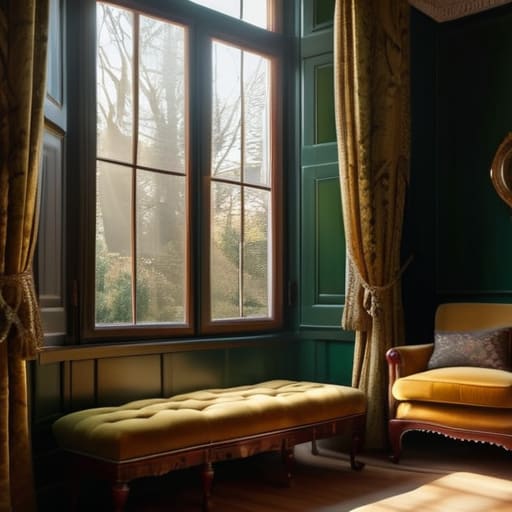
I remember a particularly biting February back in ’94, working a survey on a Victorian terrace near Salisbury. The walls were solid stone, but the heat escaped through the floorboards as if they weren’t even there. When it comes to insulating your home for winter, you have to stop thinking about the big, expensive renovations and start looking at the gaps. I’ve spent many an afternoon checking the seals on old sash windows; if you can feel a trickle of air, you’re essentially paying to heat the street. A bit of simple draught-proofing around the door frames and a heavy curtain can make a world of difference in preventing heat loss in rooms where you actually spend your time, like the sitting room or the kitchen.
It isn’t just about the walls, either. I’ve often found that the loft is where the real trouble lies. Most of the houses built before 1970 in our neck of the woods haven’t had enough mineral wool tossed in to do the job properly. If your loft feels like a walk-in freezer, you aren’t doing it right. It’s a bit of a chore to get up there, but ensuring that insulation is thick and even is the most sensible way to keep the warmth from drifting straight up the chimney.
Preventing Heat Loss in Rooms You Actually Use
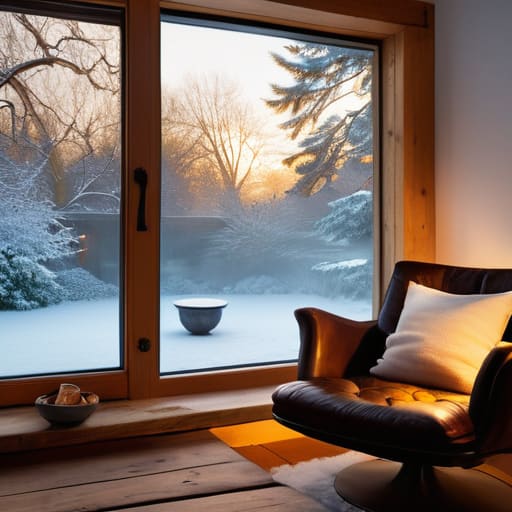
It is a mistake to try and heat the whole house when you are only sitting in the lounge reading the paper. I’ve seen many a well-meaning homeowner turn the thermostat up in every room, only to find they are essentially paying to heat empty corridors and guest bedrooms. Instead, I find it much more sensible to focus on preventing heat loss in rooms where you actually spend your time. If you are working in the study or relaxing by the fire, keep the doors to the rest of the house firmly shut. It keeps the warmth contained where it is needed, rather than letting it drift off into the hallway.
Another thing I’ve learned from years of surveying old cottages is that a radiator is only as good as the wall behind it. If you have a radiator sitting against a particularly cold, solid masonry wall, much of that heat is being sucked straight into the bricks. Putting a simple bit of foil or a dedicated radiator reflector behind the unit can make a genuine difference. It’s one of those small, practical energy efficient heating tips that doesn’t cost much but actually works.
A few practical ways to keep the chill at bay
- Check your radiators for air bubbles; if they’re cold at the top but warm at the bottom, they need a quick bleed. I’ve seen plenty of people cranking up the boiler only to find they’ve just been heating air instead of water.
- Don’t be afraid to close the doors to the spare rooms or the study when you aren’t using them. It’s much easier to keep one small lounge cosy than to try and heat the whole house, especially in those older cottages with high ceilings.
- Keep your curtains drawn as soon as the sun goes down. It’s a simple thing, but it creates an extra layer of protection against the glass, which is usually where the most heat escapes in these older properties.
- If you have a rug in a room with stone or wooden floors, make sure it’s there. I remember valuing a property in the village back in ’94 that had beautiful floorboards but felt like an icebox because there wasn’t a single bit of fabric to soften the chill.
- Check the seals on your front and back doors. If you can feel a breeze coming through the bottom, a simple draught excluder—the kind that looks like a long fabric sausage—will do more for your comfort than a brand new thermostat ever could.
A few things to keep in mind before the frost sets in
Don’t go chasing expensive smart thermostats if your floorboards are whistling; start with a bit of heavy curtain fabric and some decent draught excluders for the doors.
Keep an eye on your boiler—I’ve seen too many people ignore a slight rattle in February, only to find themselves shivering by Christmas.
Layering up isn’t just for when you’re out walking the dog; a thick woollen rug and a proper jumper will do more for your comfort than cranking the heating to full blast.
## A bit of common sense for the cold months
You can turn the thermostat up until the wallpaper peels, but if you haven’t dealt with that gap under the front door or the chill creeping through the floorboards, you’re just paying the energy company to heat the street.
Gordon Ellery
A bit of common sense for the cold months
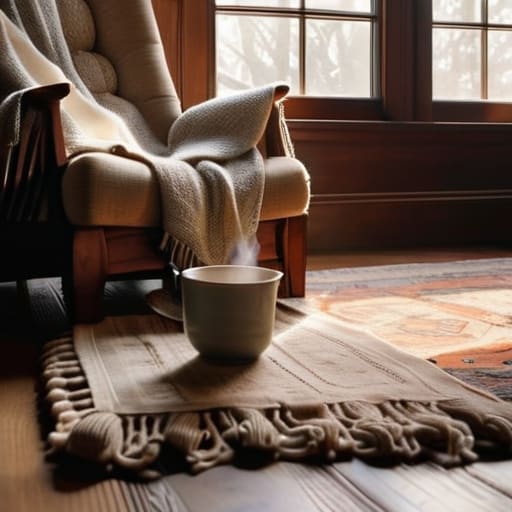
At the end of the day, keeping a house warm isn’t about installing some complicated, high-tech gadget that requires a specialist from London to fix. It comes down to the basics I’ve been talking about: sealing those gaps around the front door, making sure your loft isn’t letting the heat escape through the tiles, and simply being mindful of which rooms you actually need to heat. I’ve seen plenty of Victorian terraces in this part of the county where a bit of heavy curtaining and a well-placed rug do more for the thermostat than a brand-new boiler ever could. It is about managing what you have rather than constantly trying to buy your way out of a chill.
I know it can feel a bit daunting when the frost starts settling on the windowpanes, but don’t let it get you down. A home is a living thing, and like any old building—especially the lovely stone cottages we have around here—it needs a bit of looking after to keep it comfortable. Focus on the small, practical wins, and you’ll find that a warm house is much more about the care you put into it than the money you spend. Once you’ve sorted the draughts, there’s nothing quite like sitting down with a proper cup of tea while the wind howls outside.
Frequently Asked Questions
If I’ve got those old single-glazed windows, is it worth the money to replace them or should I just stick to heavy curtains?
Now, that’s the perennial question. If you’ve got those original timber sashes from the 1930s, I’d hold off on the replacement for a moment. Double glazing is a massive outlay, and you’ll lose that character. Honestly, a heavy, floor-to-ceiling velvet curtain does a fair bit of heavy lifting. But if you can feel the chill hitting your face through the glass, invest in some secondary glazing instead. It’s cheaper and keeps the draughts at bay.
How much of a difference will a bit of loft insulation actually make if my house was built before the seventies?
If your house was built before 1970, you’ll likely find that the loft is currently doing little more than acting as a chimney for your heat. Most of those older properties have either a thin layer of old mineral wool or, worse, nothing at all. I’ve inspected enough eaves to know the difference; adding a proper 270mm of insulation can slash your heat loss significantly. It’s the single most sensible bit of kit you can buy.
Is it better to keep the heating on a low constant temperature all day, or just blast it when I get home from work?
I’ve sat in enough cold living rooms to know the temptation to blast the radiators at 5:00 PM, but that’s a costly way to live. It’s better to keep things at a low, steady temperature throughout the day. If you let the house drop too low, the walls themselves get cold, and you’ll spend a fortune just trying to warm the bricks back up. A consistent, gentle warmth is much kinder to your wallet.