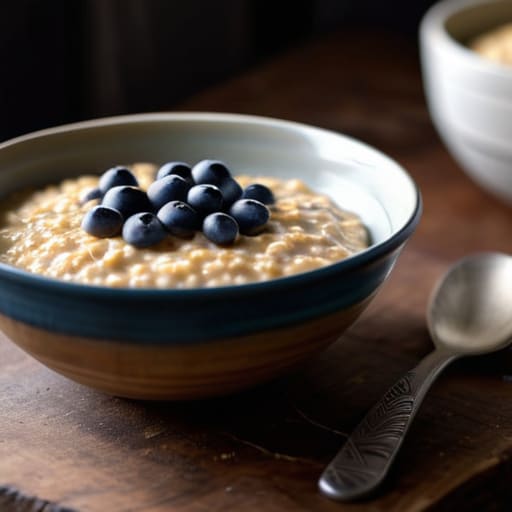
I saw a spread in the local paper last week suggesting you need expensive chia seeds, organic agave, and a specific type of almond milk to have a decent breakfast. It’s absolute nonsense. If you follow that sort of modern, overcomplicated rubbish, you aren’t eating breakfast; you’re performing a chemistry experiment. I’ve spent thirty years looking at the foundations of houses, and I know that if the base isn’t solid, the whole structure fails. The same goes for your morning meal. Learning how to make porridge properly doesn’t require a trip to a fancy deli in Winchester; it requires a bit of patience and a decent pot.
I’m not here to sell you on any lifestyle trends or expensive gadgets. I’m going to tell you, plain and simple, how to get a bowl of oats on the table that actually stays with you until lunch. I’ll tell you which oats work best and why you should never, under any circumstances, rush the heat. This is about honest, reliable food that fuels a day of work, whether you’re out in the garden or just sitting by the window.
Table of Contents
The Honest Truth About Rolled Oats vs Steel Cut
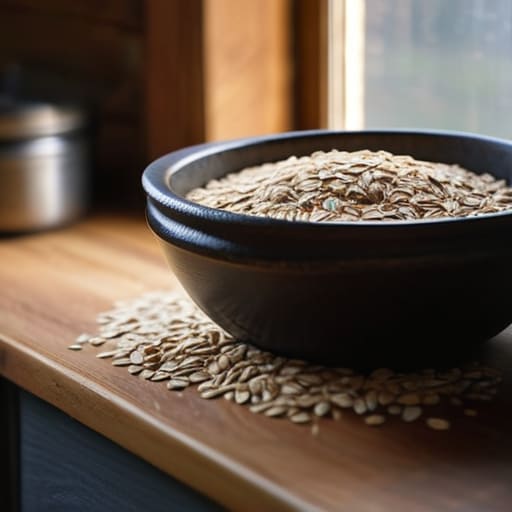
Now, if you head into the local supermarket, you’ll find a mountain of different packets, and most people grab the first thing they see. But if you want to get the job done right, you have to understand the difference between rolled oats vs steel cut. I remember walking through the old mill in the valley back in the late eighties; they didn’t have these fancy instant packets then. They had the real thing. Steel-cut oats are essentially just the whole grain chopped into pieces. They take a fair amount of patience—about twenty minutes on the hob—but they give you a chewy, nutty bite that stays with you until lunch.
If you’re in a bit of a rush, rolled oats are your best bet. They’ve been steamed and flattened, so they cook much faster, usually in five or six minutes. They create a much creamier, smoother bowl, which is fine for a quick Tuesday morning, but they lack that structural integrity of the steel-cut variety. Personally, I find that the perfect porridge consistency comes from a slow simmer on the stovetop; I’ve never had much luck with the microwave, which tends to turn the whole lot into a gummy, uneven mess.
Finding the Best Oats for Porridge That Lasts
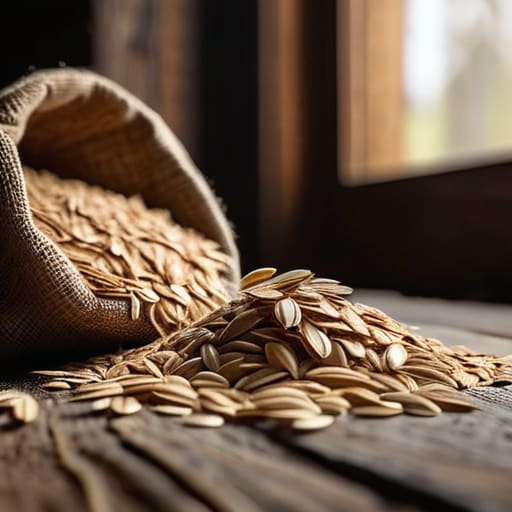
Now, don’t go thinking any bag of oats from the supermarket will do. I’ve spent enough time looking at the grain in various farm shops around the South West to know that quality matters. If you’re looking for the best oats for porridge, you want something that hasn’t been processed into dust. I usually head down to the small grocer near the old mill—the one built in 1842, mind you—because their bulk bins are actually kept dry. You want oats that have a bit of weight to them; if they feel light and airy like sawdust, leave them on the shelf.
When it comes to the daily grind, you’ll find a lot of people arguing over stovetop vs microwave oats. I’ll tell you plainly: if you use the microwave, you’re asking for a sticky, uneven mess that clings to the bowl like wet cement. If you want that perfect porridge consistency—creamy but with enough substance to actually keep you full until lunch—you need to use a heavy-bottomed saucepan. It takes five minutes longer, but it’s worth the extra bit of standing there by the stove.
Five Ways to Get the Texture Right
- Use more liquid than you think you need. I’ve seen people try to make porridge with just a splash of milk, only to end up with something more akin to wet cement than a proper breakfast. If you’re using steel-cut oats, aim for a ratio of about one part oats to four parts liquid; it gives them the room they need to swell properly.
- Don’t skimp on the salt. It sounds a bit odd for a sweet dish, but a decent pinch of sea salt at the beginning of the cooking process does the heavy lifting. It brings out the nuttiness of the grain, much like how a bit of seasoning makes a Sunday roast. Without it, you’re just eating bland mush.
- Watch the heat like a hawk. I remember my father used to say that if you rush a slow-cooked meal, you’ve wasted your time. The same goes for oats. Keep the heat low and steady. If you boil them too hard, you’ll scorch the bottom of the pan, and no amount of honey will mask that burnt, bitter taste.
- Stirring is not optional. You can’t just set the pot on the stove and walk away to check the post. You need to be there with a wooden spoon, moving it around the edges and the middle. It’s the only way to ensure the starch releases evenly and you get that creamy consistency rather than a lumpy disaster.
- Let it sit for a minute before you dive in. Once the heat is off, cover the pot and give it two or three minutes of peace. This allows the remaining moisture to settle into the grain. It’s the difference between a porridge that’s still watery and one that has truly found its character.
The Essentials for a Proper Bowl
Don’t be tempted by the instant packets; if you want a breakfast that actually keeps you full until lunch, you need to invest in real oats and give them the time they deserve on the hob.
The ratio is everything—too much water and you’ve got grey soup, too little and it sticks to the bottom of the pan like old mortar—so keep a steady hand with the milk or water.
Keep the heat low and the stirring constant, because a rushed porridge is a lumpy porridge, and nobody has time for that on a Tuesday morning.
## A Matter of Patience
“You can’t rush a good pot of porridge any more than you can rush the drying of a damp wall; if you turn the heat up too high just to save five minutes, you’ll end up with a scorched bottom and a texture that’s more glue than breakfast.”
Gordon Ellery
A Final Word Before the Spoon Hits the Bowl
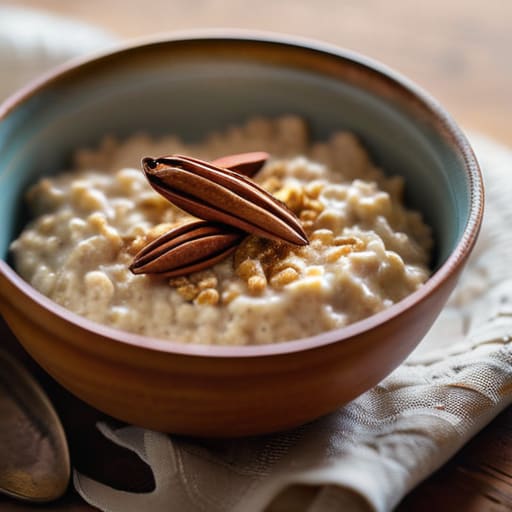
So, if you’ve taken the time to listen, you’ll know it isn’t just about throwing some oats into a pan and hoping for the best. It comes down to the basics: choosing your grain with intention, whether you want the quick ease of rolled oats or the properly stubborn texture of steel-cut, and having the patience to let the heat do the heavy lifting. Don’t rush the liquid, and for heaven’s sake, keep that spoon moving so you aren’t scraping a burnt crust off the bottom of your saucepan come breakfast time. It’s a simple bit of chemistry, really, much like ensuring a foundation is level before you start laying the bricks. If you get the ratio and the heat right, you won’t be left with a watery soup or a gluey paste.
At the end of the day, making a decent bowl of porridge is a bit like looking after a cottage; it requires a bit of steady, unhurried work, but the results are well worth the effort. There is a quiet sort of dignity in a meal that hasn’t been rushed through a microwave. As the wind rattles the windowpanes on a damp Hampshire morning, there is nothing quite like the warmth of a bowl that you’ve actually taken the time to make. It’s a small thing, I know, but in a world that seems determined to move faster every single day, slowing down for a hot breakfast is a fine way to start.
Frequently Asked Questions
Should I be using milk for the whole process, or is it better to start with water and add the milk towards the end?
Now, if you’re asking whether to go all-in with the milk or start with water, I’ll tell you what I do. If you use only milk from the start, you’ll find it scorches on the bottom of the pan—a real nuisance to scrub out. I prefer starting with a bit of water to get the oats softening properly. Once they’ve loosened up, I splash the milk in towards the end for the creaminess.
How long does one actually need to simmer the oats before they lose that pleasant bit of texture?
If you’re using standard rolled oats, you’re looking at about five to seven minutes on a medium heat. If you push it to ten, you’ve moved from breakfast to wallpaper paste. I’ve spent many a morning watching the pot, and the trick is to pull it off the hob while there’s still a bit of “tooth” to it. Let it sit covered for two minutes after the heat is off; that’s when the magic happens.
Is there a particular type of pot or saucepan that works best to stop the whole thing sticking to the bottom?
Now, if you’re using one of those thin, cheap aluminium pans from the supermarket, you’re asking for trouble. I’ve seen enough scorched bottoms to know they won’t hold up. You want a heavy-bottomed saucepan—something with a bit of weight to it, ideally stainless steel. If you have an old cast iron pot, that works too, provided you keep the heat low. It distributes the warmth evenly so you aren’t fighting a burnt crust.