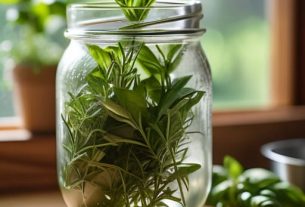
I was standing in the aisle at Miller’s last Tuesday, watching a young man spend ten minutes debating the “ethical provenance” of a jar of honey, when I realised we’ve made a right mess of things. There is a growing myth that knowing how to shop at a farm shop requires a degree in agricultural science or a bottomless bank account to afford the “artisanal” labels. It’s nonsense. Most of the time, the best stuff isn’t tucked away behind a fancy chalkboard description; it’s sitting in a plain wooden crate, likely slightly bruised, and costing half what the supermarket charges for the plastic-wrapped version.
I’m not here to sell you on some lifestyle dream or tell you that every radish is a life-changing event. What I want to do is share what I’ve learned from decades of walking these lanes and talking to the people who actually grow the food. I’ll show you how to spot the real seasonal winners, which counters to trust, and how to avoid the overpriced traps that some of these newer, trendier outlets set. This is about getting honest value for your money and supporting the local economy, plain and simple.
Table of Contents
- A Seasonal Farm Produce Guide for the Real World
- Finding the Heart in Sustainable Food Sourcing
- Five bits of advice from someone who’s spent too much time in muddy car parks
- Three Things to Keep in Mind Before You Head Out
- The Real Value of a Farm Shop
- A Final Word Before You Head Out
- Frequently Asked Questions
A Seasonal Farm Produce Guide for the Real World
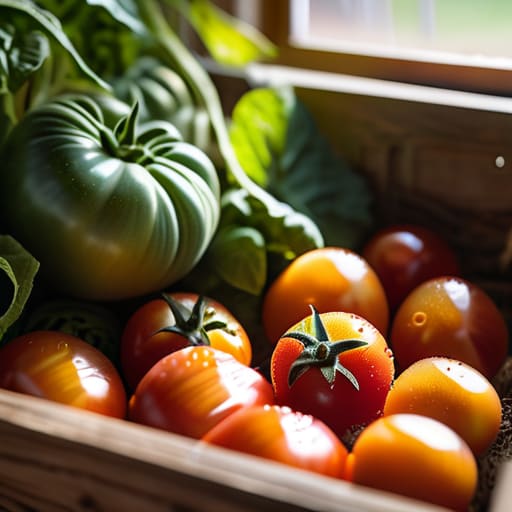
Now, if you go looking for strawberries in November, you’re going to be disappointed, and frankly, you’ll be paying for the privilege of eating something that’s travelled further than I have in a decade. A proper seasonal farm produce guide isn’t about fancy calendars; it’s about looking at what’s actually sitting in the wooden crates. In the spring, you’re looking for those first tender greens and perhaps some early lamb if the farmer is lucky with the weather. By the time we hit August, the shelves should be groaning under the weight of tomatoes that actually smell like something.
I’ve always found that understanding farm shop seasonality is the quickest way to tell if a shop is the real deal or just a glorified convenience store. If they’ve got asparagus in May, buy it. If they’ve got them in December, they’ve likely flown them in from halfway across the world, and that’s not what we’re here for. Supporting local agriculture means accepting that the menu changes with the rain and the frost. It’s a bit more work for your brain, I suppose, but the flavour is worth the extra thought.
Finding the Heart in Sustainable Food Sourcing
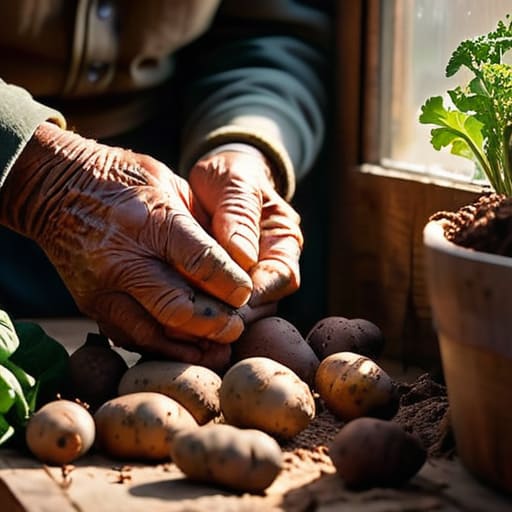
It’s easy to get caught up in the buzzwords, but when I talk about sustainable food sourcing, I’m not talking about a marketing slogan printed on a recycled cardboard box. I’m talking about knowing the person who actually grew the carrots. Last Tuesday, I was chatting with Arthur—he’s been farming the valley since the late seventies—and he mentioned that the soil is a bit tired this year, so the potatoes are smaller than usual. That’s the reality of it. When you choose to buy from someone who lives five miles down the lane rather than a supermarket chain, you aren’t just buying a vegetable; you are investing in the survival of our local landscape.
If you want to do it properly, look for the producers behind the labels. Most shops will have a small chalkboard or a handwritten note near the dairy or the butchery section. That is where the real story lives. By supporting local agriculture in this way, you ensure that the small-scale farms—the ones that keep our hedgerows intact and our fields working—don’t vanish under a sea of concrete. It’s about keeping the cycle moving, one basket at a time.
Five bits of advice from someone who’s spent too much time in muddy car parks
- Don’t go looking for strawberries in November. If you see them in the middle of a Hampshire winter, they haven’t come from the field next door; they’ve come in a crate from halfway across the world, and they’ll taste like nothing much at all.
- Talk to the person behind the counter. I don’t mean a polite “hello” as you pass by, but actually ask them where the lamb came from or which orchard the apples were plucked from. Most of them know the exact field it grew in, and they’ll tell you if a particular batch isn’t up to scratch.
- Bring your own bags, and make sure they are sturdy. I learned that the hard way last year when a bag of local potatoes gave way halfway across the village green. It’s a bit of a nuisance, but it beats scraping root vegetables off the pavement.
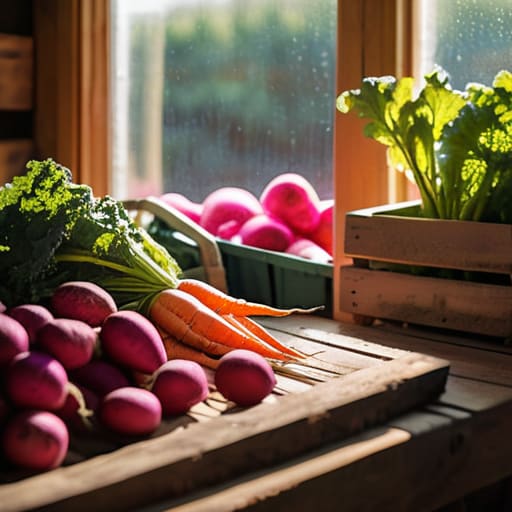
- Look for the “wonky” bits. A carrot that’s grown a bit of a bend in it isn’t a defect; it’s just a carrot that grew in real soil rather than a controlled greenhouse. It’ll likely have more flavour, too.
- Check the labels for the producer’s name, not just the product name. If a jar of honey just says “Honey,” leave it. If it says “Miller’s Apiary, three miles down the lane,” that’s the one you want in your cupboard.
Three Things to Keep in Mind Before You Head Out
Don’t go looking for strawberries in November; if the shopkeeper tells you the raspberries are a bit small this week because of the rain, believe them, because that’s usually when they taste best.
Look past the fancy labels and check the provenance; if you can’t tell me which field that beef came from or how many miles it travelled, you’re probably paying for a brand name rather than the quality.
Go when the shop is quiet, ideally mid-morning on a Tuesday, so you actually have the time to chat with the person behind the counter—they’re the ones who know which local orchard has the best apples this season.
The Real Value of a Farm Shop
You won’t find much in the way of fancy marketing or bright plastic packaging here, and that’s exactly the point. When you’re standing at the counter, don’t look for the prettiest display; look for the crate that’s been sitting out in the morning light, because that’s the one that actually tastes of the soil it grew in.
Gordon Ellery
A Final Word Before You Head Out
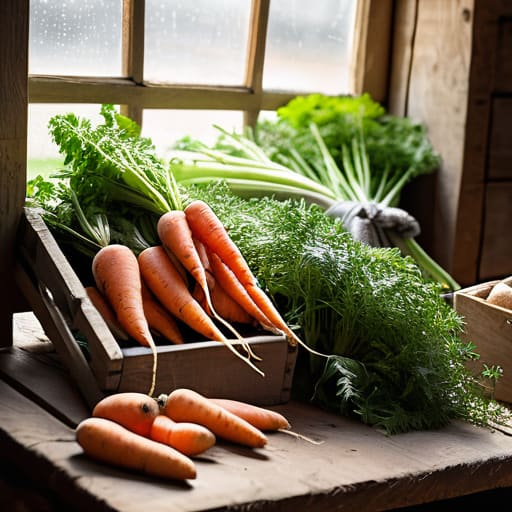
At the end of the day, shopping at a farm shop isn’t about following a strict set of rules or hunting for some elusive organic label. It is about knowing that if you buy those carrots in November, they’ve likely been pulled from the soil just a few miles down the lane, rather than being flown in from halfway across the globe. Remember to look for the real indicators of quality—the slightly uneven shapes of the fruit and the crates that haven’t been polished for a display. It means being prepared to change your menu when the seasons shift, and it means having a quick word with the person behind the counter to find out exactly which field that cheese came from. It is a bit more effort than a supermarket sweep, but the difference in flavour is plain to see.
We often talk about “supporting local,” but I think we should view it more simply as keeping our communities tethered to the land. Every time you choose a local butcher or a seasonal jam over a plastic-wrapped alternative, you are helping to ensure that the small, independent shops—the ones that actually give a village its character—stay open for another generation. It isn’t just about what you put in your basket; it is about investing in the landscape we all call home. So, next time you find yourself near one of these spots, step inside, take your time, and buy something that actually tastes of the place.
Frequently Asked Questions
Is it actually cheaper to buy direct from the farm, or am I just paying for the charm of the wooden crates?
It’s a fair question, and one I’ve heard at many a parish council meeting. If you’re looking for the absolute lowest price per kilo, the supermarket wins on scale every time. But you aren’t just paying for the wooden crates. When you buy from the farm, you’re cutting out the middleman and the long-haul diesel. You’re paying for quality that lasts longer in the fridge, which, in my experience, is much better value for money.
How much of what’s on the shelf is actually grown on the property versus being brought in from other local producers?
It’s a fair question, and one I’ve asked more than once while leaning on a counter. You have to look for the labels, or lack thereof. If a crate of carrots has a handwritten tag from “Miller’s Farm” just three miles down the lane, you’re golden. If it’s just a generic plastic bag, it’s likely been brought in from a distributor. A good shop will be proud to tell you exactly which gate that produce came through.
If I'm looking for something specific for a Sunday roast, is it better to phone ahead or just turn up and hope for the best?
If you’re after a decent joint of beef or a specific cut of lamb for Sunday, don’t just turn up and hope for the best. I’ve seen too many people wander in on a Saturday morning only to find the best bits were gone by ten. Give them a ring on Friday. It takes two minutes, and it ensures the butcher has something worth roasting on your table rather than just the leftovers.