I was standing by the old stone bridge near the bottom of High Street last Tuesday—the one built in 1842, mind you—watching a surveyor from the council squinting at a map of the meadow behind the pub. It’s a scene I’ve seen a dozen times over the years, usually followed by someone asking me, with a fair bit of confusion, what is green belt land actually supposed to be. Most people think it’s some sacred, untouchable museum of nature, or perhaps just a convenient excuse for planners to say “no” to everything. But after thirty years of valuing properties from here to Salisbury, I can tell you it’s rarely as simple as a line drawn in the dirt to keep the concrete at bay.
I’m not here to give you a lecture filled with planning jargon that would make your eyes glaze over. Instead, I want to give you the straight truth about how these boundaries actually affect your property value and your view. I’ll explain how these rules work in practice, not just on paper, so you can understand why that field next door might stay empty for another fifty years—or why it suddenly might not.
Table of Contents
The Invisible Lines and Preventing Urban Sprawl
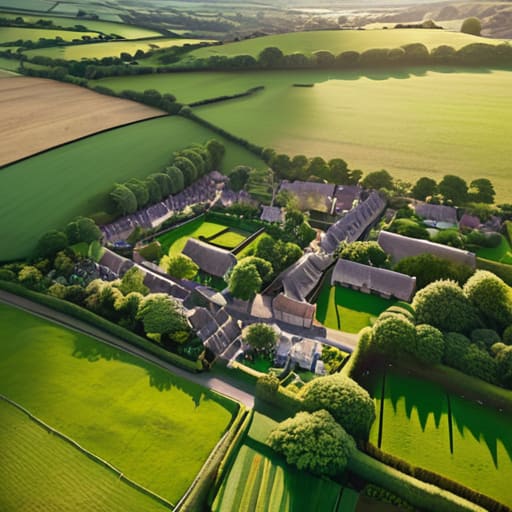
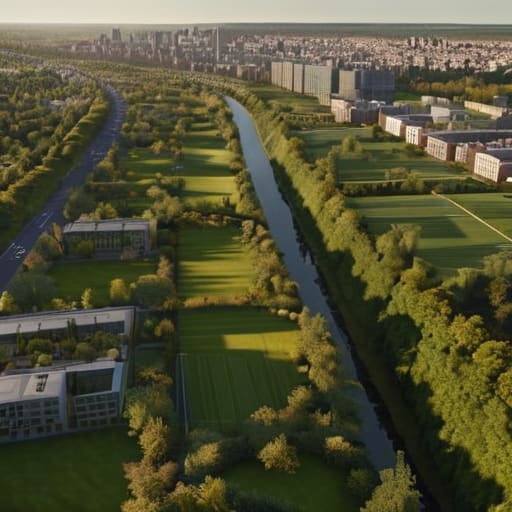
When we talk about preventing urban sprawl, we aren’t just talking about keeping the hedge lines tidy. It’s about the way a town breathes. Without those boundaries, you’d eventually find yourself driving through a continuous stretch of semi-detached houses from here to Salisbury without seeing a single proper field. The idea is to keep our towns compact and manageable, rather than letting them bleed into the countryside like a spilled pint of bitter.
Of course, the reality on the ground is often more complicated than the theory. Under the current national planning policy framework green belt guidelines, the rules are designed to stop developers from simply treating the countryside as an extension of the suburbs. However, it often feels like a tug-of-war. You’ll see a developer eyeing up a patch of meadow, looking for any loophole in the planning permission green belt regulations to get their foot in the door. It isn’t just about stopping new houses; it’s about ensuring that when we do build, we do it in the right places—on brownfield sites that actually need the life—rather than swallowing up the very landscape that makes our villages worth living in.
Understanding Green Belt Land Use Restrictions
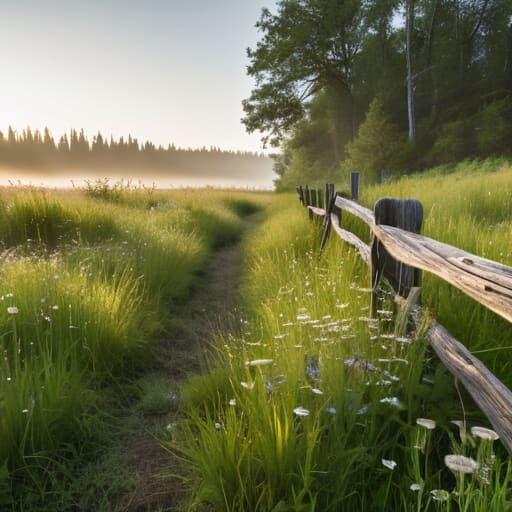
Now, this is where the paperwork gets a bit thick. When people talk about green belt land use restrictions, they aren’t just talking about a polite request to stay out of the fields. It is a rigid set of rules dictated by the national planning policy framework green belt, and it is designed to make building new houses incredibly difficult. In my years valuing properties, I’ve seen many a developer try to argue that a particular paddock is “previously developed land,” but the council rarely bites. The law is weighted heavily toward keeping things exactly as they are.
If you are looking to build an extension or a new outbuilding, you have to be very careful with your planning permission green belt application. While there are some permitted development rights green belt that allow for minor works, anything substantial usually requires a fight. The authorities aren’t just being difficult for the sake of it; they are looking for alternative sites for housing development that don’t involve eating up the very landscape that makes our villages worth living in. It’s a fine balance between providing homes and protecting the view.
A few things to keep in mind before you start dreaming of extensions
- Don’t assume “green belt” means “protected forever.” I’ve seen plenty of planning applications try to chip away at the edges, so if you’re looking at a property that borders the line, check the local council’s long-term strategy. A field that looks permanent today might be a housing estate by the time your grandchildren are grown.
- Check the access before you commit. A house sitting right on the edge of the green belt often looks lovely, but it can be a nightmare if the single lane leading to it is prone to flooding or if the nearest bus stop is a two-mile trek through mud. I’ve valued many a beautiful cottage that was effectively cut off in the winter.
- Understand that “Permitted Development” has its limits here. You might think you can pop a conservatory or a garden studio onto a plot near the green belt without a fuss, but the local planning authority often keeps a much closer eye on these boundaries to prevent “creeping development.” Always ask the surveyor or the council first.
- Look at the topography, not just the greenery. Being near green belt land often means being near sloping terrain or old drainage ditches that were never meant for heavy building. If you’re planning on digging in, make sure you aren’t inadvertently messing with the water runoff for the entire village.
- Value the community assets, not just the view. When you’re weighing up a property near the green belt, look at what’s actually functioning. A house with a view of a protected field is worth a lot, but it’s worth much less if the local shop has closed down and the post office is twenty minutes away by car.
The long and short of it
Green belt isn’t a playground for developers to fight against; it is the buffer that keeps our villages from turning into one continuous stretch of suburban sprawl.
While the rules on what you can and can’t build are strict, they exist to protect the character of the landscape—the very thing that makes a place like ours worth living in.
Understanding these boundaries is about more than just planning policy; it is about knowing why the view from the top of the hill remains as it was fifty years ago.
More than just a boundary
People talk about the Green Belt as if it’s a legal technicality or a bit of red ink on a planning map, but if you’ve spent any time walking the lanes between here and Salisbury, you know it’s something else entirely. It’s the breathing room between towns; it’s the difference between a village that feels like a community and a suburb that feels like a waiting room.
Gordon Ellery
A bit of perspective before you head out
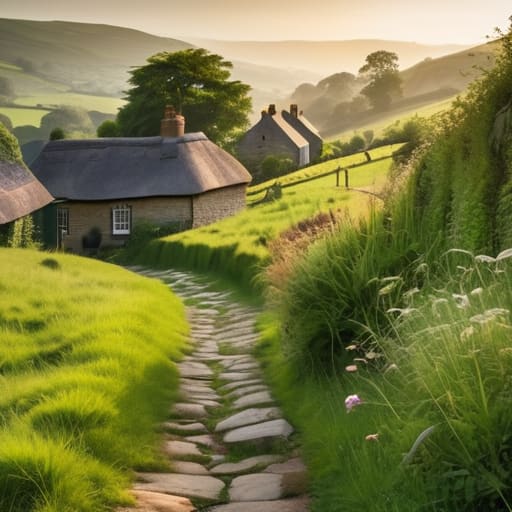
At the end of the day, understanding the Green Belt is about more than just memorising planning policies or knowing why a new housing estate hasn’t appeared on the ridge behind the church. It is about recognising that these boundaries serve a practical purpose: they keep our villages from bleeding into one another and ensure that the distinction between a town and a field remains clear. We have looked at how these lines prevent urban sprawl and why the restrictions on building are so tightly wound. While it can feel like a bit of a bureaucratic headache when a local application is refused, it is often because the integrity of the landscape is being protected by those very same rules.
I’ve spent thirty years looking at property, and I can tell you that a house is worth far more when it isn’t staring directly into the back garden of another development. We must remember that once a field is paved over, it stays paved over; you can’t simply un-pour concrete and expect the hedgerows to grow back overnight. The Green Belt is our way of ensuring that the next generation can still walk a mile without seeing a single streetlamp. It is about preserving the character of our countryside, ensuring that the view from your kitchen window remains exactly what it was when you first moved in.
Frequently Asked Questions
If a developer finds a way around the rules, can we actually stop them at a local level?
It’s the question that keeps the parish council meetings running late. The short answer is: yes, but it’s a bit like trying to patch a dry stone wall with nothing but spit and prayer. You can’t just say “no” because you don’t like the look of it; you have to prove they’ve broken the rules. Look for the loopholes—they’ll claim “exceptional circumstances” to bypass the belt. If you catch them out, you have a fighting chance.
Does being in the Green Belt mean I'll never be able to extend my kitchen or build a garden studio?
Not necessarily, though it does mean the rules are a bit more particular. I’ve seen plenty of cottages in the village—most of them dating back to the mid-1800s—where the owners have added lovely extensions. It isn’t a total ban, but you can’t just throw up a massive conservatory and call it a day. You’ll need to prove your project doesn’t “involve inappropriate development.” It’s more paperwork, but it’s certainly doable.
How much does living inside the belt actually affect the price of a cottage compared to one just outside it?
It’s a question I get asked at the post office more often than you’d think. In my experience, being inside the belt usually commands a premium, but not for the reasons you’d expect. It isn’t just the view; it’s the scarcity. When you’re inside that boundary, the supply of cottages is fixed—you can’t just pop a new estate down the lane. That scarcity keeps prices firm, often by ten to fifteen percent, compared to those just over the line.