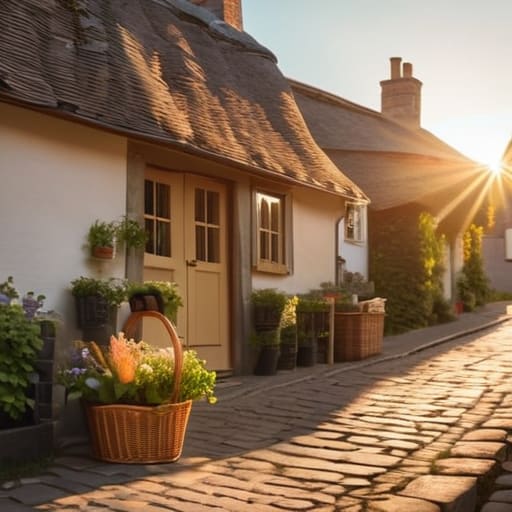
I saw a post on the village Facebook group the other day suggesting that the best way to greet newcomers involves a “curated welcome hamper” filled with artisanal cheeses and expensive scented candles. Give me a break. If you’re looking for advice on how to welcome new neighbours that involves spending forty quid on a gift basket they didn’t ask for, you’ve come to the wrong corner of the internet. I spent thirty years valuing properties from here to Salisbury, and I can tell you that a person doesn’t care about your organic brie when they’re struggling to figure out which day the refuse lorries actually come round or why the lane behind the old smithy floods every November.
What they need is actual information and a bit of human decency. In the following paragraphs, I’m going to skip the fluff and give you the practical, boots-on-the-ground truth about building a real connection. I’ll tell you exactly how to introduce yourself without being a nuisance, and more importantly, how to become the kind of neighbour who makes a house feel like a proper home.
Table of Contents
Friendly Introduction Tips That Actually Build Community Connections

Now, I’ve seen plenty of people make the mistake of standing at the edge of their driveway, waiting for a “sign” that it’s okay to say hello. That’s not how it works. If you see a removal van idling outside the cottage three doors down, that is your window. Don’t just wave from the garden; walk over. You don’t need a grand speech, just a simple, “I’m Gordon from number twelve, let me know if you need a hand with the heavy lifting.” It’s one of those basic friendly introduction tips that actually works because it removes the guesswork for them.
If you are feeling particularly keen, you might consider some neighborhood welcome gift ideas, but keep it practical. I once saw a newcomer get handed a massive, expensive hamper that sat on their kitchen counter gathering dust. Instead, try something useful—a local takeaway menu or a map of the village footpaths that doesn’t lead into a bog. It’s less about the cost and more about building community connections through shared local knowledge. A small gesture tells them they aren’t just moving into a house; they are joining a village.
The Art of New Neighbor Etiquette Without Being Overbearing
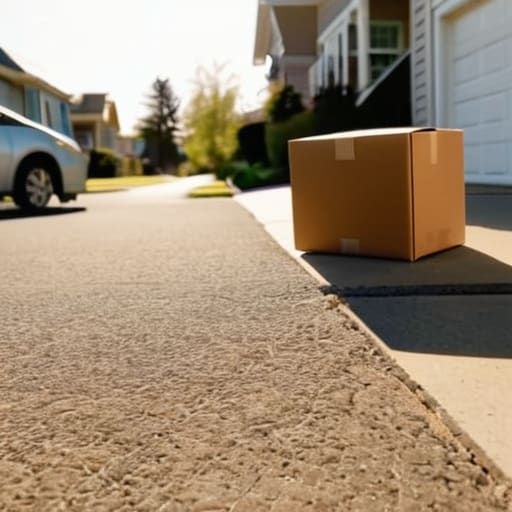
There is a fine line between being a welcoming presence and being the person who won’t stop talking while they’re trying to unpack a crate of kitchenware. I’ve seen it happen many times over the years; someone turns up with a tray of lukewarm scones and stays on the doorstep for forty-five minutes, long after the new arrivals have clearly lost their appetite. Good new neighbor etiquette is about reading the room—or in this case, the driveway. If they look harried and there are half-empty moving vans blocking the lane, a simple wave and a “we’re just next door if you need anything” is far more effective than a formal interrogation.
If you do decide to drop something off, keep your neighborhood welcome gift ideas practical rather than precious. A map of the local bin collection days or a list of which butcher in the village actually delivers is worth more than a scented candle. The goal isn’t to become best friends by Tuesday; it is simply to signal that they have moved into a place where people look out for one another. Give them the space to breathe, and they’ll be much more likely to invite you in for a proper tea once the dust has settled.
Five Practical Ways to Make Them Feel at Home
- Don’t bother with a fancy hamper of expensive wine they might not like; a simple bag of decent coffee or a loaf from the bakery on High Street is much better. It says you’re helpful without making them feel like they owe you a debt.
- Give them the “real” local intelligence. Tell them which day the recycling actually gets collected and which lane to avoid when it rains heavily in November. That’s worth more than any welcome card.
- Keep the first chat brief. They’ve likely spent the last forty-eight hours wrestling with bubble wrap and flat-pack furniture. A quick “hello, I’m Gordon from number twelve” is plenty; you can talk about the parish council meeting next week.
- Offer a specific bit of help rather than a vague “let me know if you need anything.” Say, “I’ll be in the garden on Saturday if you need a hand moving a heavy box,” or “I can show you where the post box is.” It’s much easier for them to say yes to.
- Watch for the small things. If you see a delivery driver leaving a parcel out in the open near their new doorstep, give them a quick ring or a knock to let them know. It’s the quickest way to show you’re the kind of neighbour worth having.
The Essentials for a Proper Welcome
Don’t overthink the first meeting; a quick chat over the garden fence or a brief knock on the door to say “welcome to the lane” is worth more than any formal committee meeting.
Remember that everyone is busy unpacking boxes and finding where the fuse box is, so keep your first interaction short and leave the door open for a proper chat once the dust has settled.
Real community is built on small, practical gestures—like letting them know which day the recycling goes out or which local shop actually stocks decent milk—rather than just exchanging pleasantries.
More Than a Handshake
A new neighbour isn’t just a new name on the electoral roll or another car in the driveway; they are the person who will eventually help you find your lost cat or keep an eye on your property while you’re away in Cornwall. Don’t just offer a polite nod over the hedge—offer a bit of actual local knowledge, like which day the recycling actually gets collected or which lane to avoid when the rains hit, because that’s how a street becomes a community.
Gordon Ellery
A Final Word on the Matter
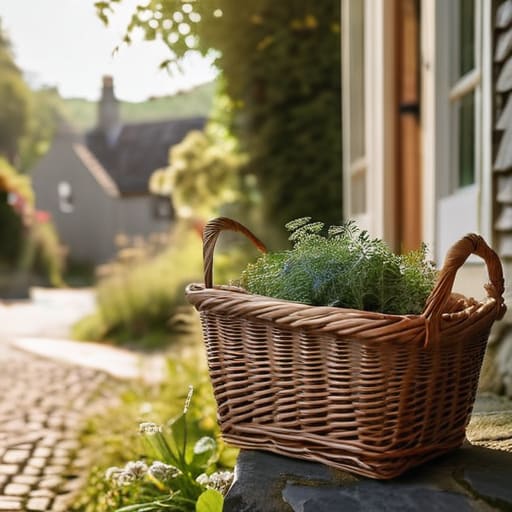
At the end of the day, building a proper community isn’t about hosting grand garden parties or memorising everyone’s life story over a single afternoon. It’s about the small, consistent things we’ve discussed: the polite nod across the driveway, the unobtrusive offer to help with a heavy parcel, and knowing when to give someone their space while they’re still unpacking the van. Whether you are the one moving into a cottage built in the 1840s or the one who has lived on the lane for forty years, the goal is the same. It is about moving from being mere strangers to becoming the kind of people who actually look out for one another when the weather turns or the bins are left out.
I’ve spent three decades looking at the bones of houses, but I’ve learned that the mortar that holds a village together isn’t made of lime or sand. It is made of these tiny, human interactions. A neighbourhood is just a collection of postcodes until you add the warmth of a genuine hello. So, don’t overthink it. Just be the neighbour you would want to have if your boiler packed up on a Tuesday night. After all, we are all just looking for a place to belong, and sometimes that starts with nothing more than a quick chat over the garden hedge.
Frequently Asked Questions
What’s the best way to approach someone if they seem a bit private or busy when they first move in?
If they’re buried under a mountain of cardboard boxes or looking a bit frazzled, don’t force a long chat. I’ve seen plenty of folks trying to unpack a kitchen while being cornered about the parish council. Just a quick nod over the hedge or a short note through the door is plenty. Mention you’re Gordon from number fourteen and leave a phone number. It lets them know you’re there without making them feel cornered.
Is it better to drop off a small gift like a plant or some baked goods, or does that feel a bit too much?
I’ve seen both sides of this. I once brought a loaf of sourdough to the Millers when they moved into the old cottage on High Street—built, mind you, around 1840—and they loved it. But if you’re unsure, skip the baked goods; you don’t know if they have allergies or if they’re the type who prefer a quiet house. A small potted herb is safer. It’s a gesture, not a bribe.
How do I bring up practical things like bin collection days or which local plumber is actually reliable without sounding like I'm lecturing them?
The trick is to frame it as a “heads-up” rather than a lecture. I usually wait until we’re chatting about something else, then say, “By the way, the bins go out on a Tuesday, but if you miss it, the council is a nightmare about it.” If you mention the plumber, do it when they mention a leak. “If you’re ever in a bind, Dave at the garage is the only one who actually shows up.”