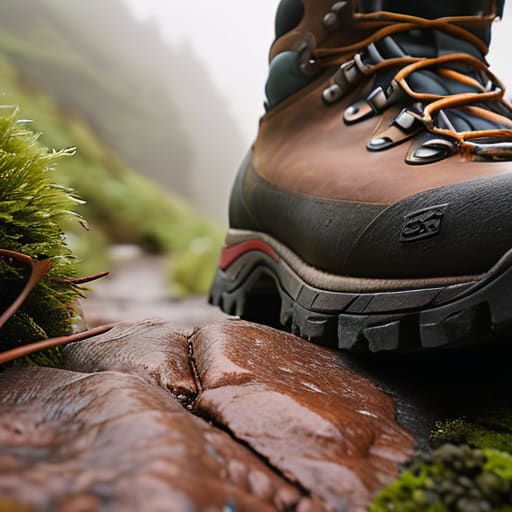
I was out near the old mill last Tuesday—the one with the rebuilt lintel from 1924—trying to clear a section of dry stone wall that had given up the ghost. I ended up halfway through the afternoon with a blister the size of a five-pence piece because I’d trusted a glossy brochure over my own intuition. Most people think learning how to choose walking boots involves studying high-tech membranes and expensive Gore-Tex ratings, but that’s a load of nonsense. You can spend three hundred pounds on a pair of boots that look lovely in a shop window, but if they don’t respect the actual shape of your foot when the ground turns to Hampshire clay, you’re just paying for an expensive way to limp home.
I’m not here to sell you on any particular brand or push some fancy marketing gimmick. My aim is to give you the straight truth based on what actually happens when you’re three miles into a muddy track with a heavy pack. I’ll tell you what to look for in a sole, how to test the fit without feeling like a fool, and why the most expensive option is rarely the one that keeps your toes dry.
Table of Contents
The Truth About Footwear for Different Terrains
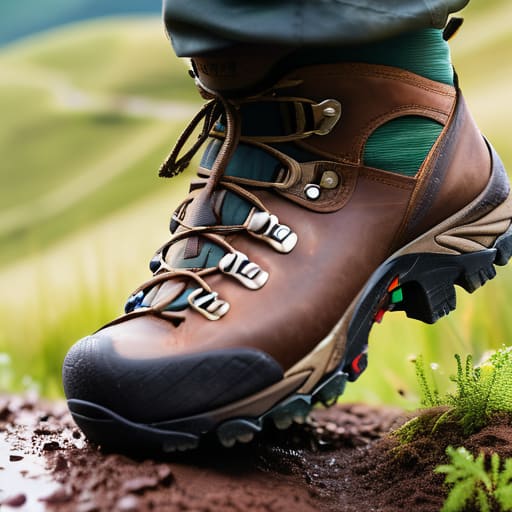
Now, I’ve spent enough time navigating the rutted tracks behind the old mill to know that a boot meant for a gravel path is a disaster waiting to happen on a steep, chalky slope. If you’re sticking to the well-maintained bridleways, a lighter, lower-cut shoe might suffice, but if you’re heading into the scrub or across the uneven fields near the valley, you need to consider mid-cut vs high-cut boots. I’ve seen too many people try to tackle a muddy incline in something flimsy, only to find themselves wobbling like a newborn calf.
When the ground gets properly treacherous—the kind of terrain that turns into a soup after a Tuesday downpour—you really need to prioritise hiking boot ankle support. It isn’t just about comfort; it’s about preventing a rolled joint when you step into a hidden hole. I always tell the younger lot that if the terrain is unpredictable, you want something that holds your foot firmly in place. It’s a bit more weight on your feet, certainly, but I’d much rather carry an extra few ounces than spend my evening icing a sprained ligament.
How to Measure Foot Size for Boots Without Guesswork
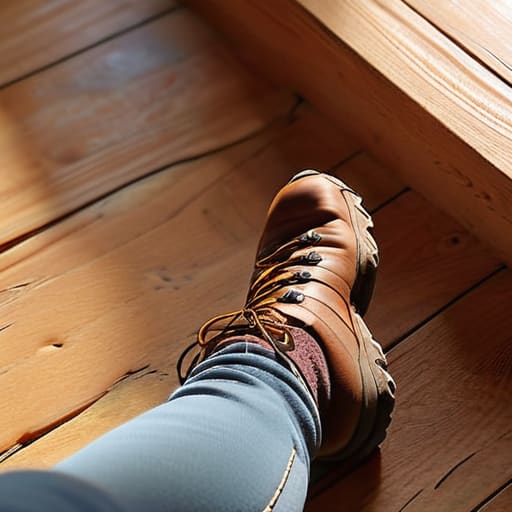
Now, don’t go trusting those numbers printed on the side of a box; they’re about as reliable as a local councillor’s promise during an election year. If you want to get how to measure foot size for boots right, you need to do it at the end of the day. Your feet swell after a few miles of walking—I know this because I’ve spent many an afternoon nursing blisters after a trek across the downs. Sit down, put your foot on a piece of paper, and trace the outline while wearing the actual socks you intend to use. If you’re using thin summer socks for a measurement, you’ll find yourself in a tight spot come November.
Once you have your length, don’t forget the width. A boot can have the best hiking boot ankle support in the world, but if it pinches your metatarsals, you won’t make it past the village gate. I always suggest leaving about a thumb’s width of space between your longest toe and the front of the boot. This prevents that dreaded “toe-bang” when you’re navigating a descent on a steep, uneven path.
Five Things the Shopkeeper Won’t Tell You
- Don’t buy them on a Tuesday morning when your feet are at their smallest. I’ve learned the hard way that your feet swell after a few miles on the downs, so go in the late afternoon when you’ve been on your feet all day. If they feel “perfectly snug” in the shop, they’ll be causing blisters by the time you reach the halfway mark of a proper ridge walk.
- Ignore the heavy-duty leather if you’re only sticking to the gravel paths around the village. A boot that’s too stiff and heavy is just an anchor for your ankles. Unless you’re planning on tackling the steeper, muddier climbs towards the Mendips, a lighter, more flexible mid-weight boot will save your knees from a lot of unnecessary pounding.
- Check the ankle support by actually moving, not just standing still. I once bought a pair that looked sturdy enough to protect a cavalryman, but as soon as I tried to step over a fallen log, I realised the collar was too rigid to let my foot find its natural rhythm. Give your ankles a good wobble; if the boot fights your movement, it’s the wrong one.
- Get your socks in the shop with you. It sounds a bit daft, but trying on high-end boots with thin office socks is a recipe for disaster. You need to feel how that thicker, moisture-wicking wool sits against the boot. If the toe box feels cramped with the right socks on, walk away—no amount of “breaking them in” will fix a boot that’s fundamentally too small.
- Look at the tread, not the colour. I’ve seen plenty of boots that look smart in a catalogue but have soles as smooth as a polished kitchen floor. You want deep, widely spaced lugs that can shed the Hampshire mud rather than trapping it. If the tread looks shallow, you’ll find yourself sliding sideways on every incline, and that’s a quick way to end a walk early.
A Few Things to Remember Before You Buy
Don’t get swayed by a fancy waterproof label if the tread is shallow; I’ve spent many a Tuesday afternoon sliding down the muddy track near the old mill because I prioritised a brand name over actual grip.
Always try your boots on in the afternoon when your feet have naturally swollen a bit, otherwise you’ll find they feel like a vice by the time you’ve reached the end of a proper three-mile stroll.
Remember that a boot is only as good as its fit around the ankle; if there’s even a hint of a gap, you’re looking at blisters before you’ve even cleared the village boundary.
## Beyond the Shop Window
You can read every glossy brochure in the shop, but a boot isn’t truly yours until you’ve stood in a bit of real Hampshire mud and felt whether it’s supporting your ankle or just making promises. If it pinches at the toe after twenty minutes on a flat path, it’ll be a misery by the time you reach the ridge.
Gordon Ellery
A Final Word Before You Hit the Trail
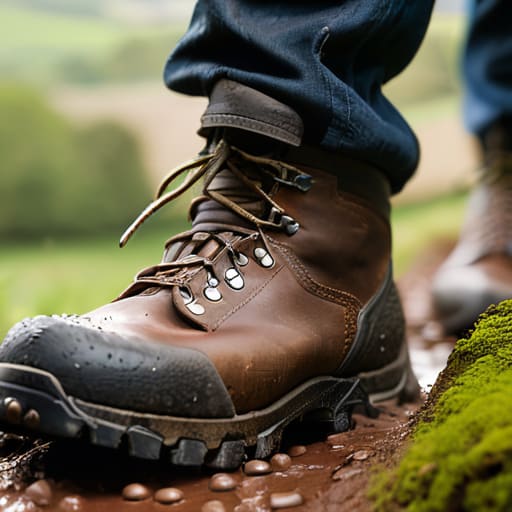
At the end of the day, choosing a boot isn’t about finding the most expensive pair in the window of a shop in Salisbury; it is about matching the leather and the lug to the ground you actually walk on. If you are sticking to the gravel paths near the old mill, you don’t need a heavy-duty mountaineering boot that weighs as much as a bag of cement. But if you’re heading into the thick clay of the downs after a bit of rain, you’ll regret every penny saved if you don’t have a properly gripped sole and a decent waterproof membrane. Remember what I said about measuring your feet—do it properly, account for the thicker socks you’ll actually be wearing, and never buy a boot that feels “just okay” in the shop, because that discomfort will be amplified tenfold by the third mile.
I’ve spent many a Saturday afternoon mending walls and walking the perimeter of this parish, and I can tell you that the best views in the world aren’t worth much if you’re limping home with blisters the size of five-pence pieces. A good pair of boots is more than just gear; it is your connection to the landscape. They are the difference between a morning spent noticing the way the light hits the valley and a morning spent staring resentfully at your own feet. So, take your time, try them on, and invest in something that will last you through many seasons of changing weather and muddy lanes. Happy walking.
Frequently Asked Questions
Are expensive leather boots actually better for long walks than those lighter synthetic ones you see in the shops?
It’s a fair question, and I’ve seen plenty of folks make the mistake of buying on price alone. If you’re tackling the muddy tracks around the Wylye Valley, a proper full-grain leather boot is hard to beat; they mould to your feet and last years if you oil them. Those lightweight synthetics are fine for a stroll on the tarmac, but once the rain hits, they often lose their shape and leave you with damp toes.
How often should I actually be replacing them before the grip goes or the waterproofing fails?
There isn’t a date on the calendar for this, but there is a feeling in your feet. If you’re walking the ridge paths near the village, you’ll notice the tread starts to smooth out after about five hundred miles—or when you find yourself sliding on a damp slope where you used to have grip. If the leather feels stiff or water starts seeping through the seams, that’s the end. Don’t wait for a soaked sock to tell you.
If I've got a bit of a wide foot, is it worth looking for specific brands or should I just size up?
Don’t go sizing up. I’ve seen plenty of folks do that, only to find the boot is too long, causing their heel to slip and blister like mad on the climb up toward the Ridgeway. If you have a wider foot, look for brands that actually build a wider last—brands like Meindl or certain Scarpa models. It’s better to have a boot that fits the shape of your foot than a larger boot that just wanders.