
I was out walking the bridleway towards the old mill—the one with the flintwork dating back to the mid-1800s—when I spotted a discarded crisp packet wedged deep in a hawthorn hedge. It’s a small thing, but it’s part of a growing nuisance that makes our lanes look neglected. Now, I’ve seen some people approach organising a village litter pick as if they were planning a royal jubilee, complete with expensive branded hi-vis vests and complicated digital sign-up sheets that nobody actually uses. Honestly, we don’t need a committee or a budget to clear the verges; we just need a few sturdy bin bags and a bit of common sense.
I’m not here to give you a lecture on environmental theory or some polished, corporate-style guide. Instead, I’ll tell you exactly how I’ve done it over the years without wasting a single penny or a second of anyone’s time. I’ll share the practicalities—from which local hardware shop stocks the best grabbers to the best time of day to avoid the mud on the lower lanes—so you can get the job done properly and efficiently.
Table of Contents
- The Real Environmental Impact of Local Cleanups
- Community Engagement Strategies That Actually Bring People Together
- A few practicalities from someone who’s spent too long picking rubbish out of hedgerows
- A few things to remember before you head out
- More Than Just Picking Up Rubbish
- A Final Word on the Matter
- Frequently Asked Questions
The Real Environmental Impact of Local Cleanups

It’s easy to think of a bit of crisp packet or a stray cider can as nothing more than an eyesore, but after thirty years of looking at land, I know better. When that plastic sits in a ditch by the old mill—which, mind you, dates back to the late 1740s—it doesn’t just stay there. It breaks down into tiny fragments that work their way into our soil and our water. The true environmental impact of local cleanups isn’t just about making the High Street look presentable for the summer; it’s about stopping that rubbish from becoming a permanent part of the landscape.
If we don’t get ahead of it, the wind will simply push that debris into the hedgerows, where it stays for decades. We need to be sensible about how we handle what we find, ensuring our waste disposal methods for community events are robust enough to prevent the rubbish from simply being moved from one pile to another. It’s about doing the job properly, so the village stays as it should be: clean, tidy, and well-kept for the next generation.
Community Engagement Strategies That Actually Bring People Together

Now, if you want people to actually show up, you can’t just post a single notice on the church door and hope for the best. Most folks are busy enough as it is. I’ve found that the best community engagement strategies involve a bit of a personal touch—a chat over the garden fence or a mention at the post office. If you make it sound like a chore, nobody will come. But if you frame it as a chance to catch up over a thermos of tea once the bags are full, you’ll find the turnout is much better.
It is also worth remembering that people worry about the practicalities. I’ve had several neighbours ask about volunteer safety guidelines, specifically regarding those sharp bits of glass tucked into the hedgerows near the old mill. To put their minds at ease, make sure you have plenty of sturdy gloves and a few sets of litter picking hi-vis vests for the youngsters. If people see you’ve thought about the small details, they’ll feel much more comfortable lending a hand.
A few practicalities from someone who’s spent too long picking rubbish out of hedgerows
- Don’t forget the heavy-duty bags; the thin ones from the supermarket will split the moment you pick up a wet cardboard box or a heavy glass bottle, and nobody wants to be cleaning up spilled rubbish halfway down Mill Lane.
- Secure a few pairs of sturdy gloves before you start, as I’ve learned the hard way that you never quite know what’s lurking in the brambles or under a pile of damp leaves.
- Map out a specific route rather than just wandering aimlessly; if we aim for the stretch between the old smithy and the bridge, we can actually see some progress by lunchtime.
- Make sure you have a plan for the actual disposal, because if we end up with ten bags of waste sitting by the village green for a week because the council wasn’t informed, we’ve only made the problem more visible.
- Bring a thermos of tea and some biscuits to the finish line; a bit of warmth and a chat is usually what turns a chore into something people actually look forward to doing next year.
A few things to remember before you head out
Don’t overcomplicate the logistics; a few sturdy bin bags, some thick gloves, and a clear meeting point at the village hall are worth more than any fancy planning committee.
It isn’t just about the rubbish itself, but about the pride we take in our lanes—when the hedges are clear, the whole village feels a bit more looked after.
Make sure you check the weather and the terrain first, as those old footpaths near the brook can get quite treacherous after a heavy rain.
More Than Just Picking Up Rubbish
“You can tell a lot about a parish by its hedgerows; when the plastic starts weaving itself into the hawthorn, it’s a sign we’ve stopped looking after the place. A litter pick isn’t about making the village look like a brochure, though; it’s about the fact that when we all walk the same lane with a grabber in hand, we actually end up talking to the neighbours we usually only nod at through a car window.”
Gordon Ellery
A Final Word on the Matter
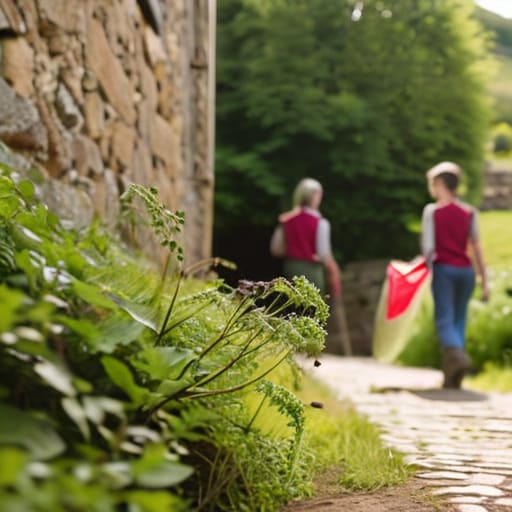
At the end of the day, organizing a litter pick isn’t about ticking a box for the parish council or making the hedges look pretty for a passing tourist. It is about the practicalities we have discussed: coordinating the right people, ensuring we have the proper bags and grabbers, and understanding that even a single crisp packet caught in a bramble near the old mill can eventually find its way into our local watercourse. If we get the logistics right and focus on the small, manageable areas—the lanes that flood or the verges by the shop—we turn a chore into a structured community effort that actually makes a measurable difference to the landscape we call home.
I have spent thirty years looking at the bones of these buildings and the layout of these lanes, and I can tell you that a village is more than just a collection of bricks and mortar. It is a living thing, and it requires a bit of looking after from those of us who live here. When we step out together on a Saturday morning, it isn’t just the rubbish we are clearing away; it is the sense of shared responsibility that keeps a village from fading into nothing. So, grab a pair of gloves, bring a thermos, and let’s ensure our corner of the world stays worth walking through for the next generation.
Frequently Asked Questions
Where on earth are we supposed to get all the heavy-duty bin bags and grabbers without it costing the parish more than we've raised?
Now, don’t go thinking we need to dip into the parish precept for every roll of heavy-duty sacks. I’ve found that if you approach the hardware shop on the High Street—the one built in 1924, mind you—they’re often happy to donate a few boxes for a mention in the newsletter. Otherwise, ask the local schools; they usually have surplus supplies from their own projects. It’s about using what we have, not buying new.
What's the plan for the actual rubbish once we've collected it—do we need to coordinate with the council collection for a specific day?
It’s a sensible question, and one that usually gets overlooked until we’re standing there with fifty black bags and nowhere to put them. Don’t just leave them by the verges; the foxes will have them torn open before sunset. I’ll contact the District Council on Monday to see if they’ll schedule a special collection for us. If not, we’ll have to coordinate our pick with the regular Tuesday bin run.
How do we make sure the youngsters actually show up instead of just the usual crowd of retirees?
It’s a fair question. If we only ever hold these things on a Tuesday morning, we’ll only ever see the same faces. We need to meet them where they are. Instead of a formal meeting, why not grab a few of the teenagers near the cricket pavilion? Tell them it’s about reclaiming the space they actually use. If there’s a bit of decent food or a voucher for the shop involved, you’ll see more movement.