I was sitting in the back of the village hall last Tuesday, listening to a young estate agent talk about “lifestyle branding” and “curated rural experiences,” and I nearly choked on my tea. They make it sound like selling a house in a village is all about staging the perfect sourdough breakfast on a reclaimed oak table. It’s nonsense. I’ve spent thirty years valuing properties from the chalk downs of Wiltshire to the Hampshire borders, and I can tell you that a buyer isn’t looking for a photoshoot; they are looking for a home that won’t leak when the autumn rains hit the eaves of a 1920s cottage.
I’m not here to sell you on glossy brochures or expensive staging tricks that won’t hold up under a surveyor’s lens. Instead, I want to give you the unvarnished truth about what actually moves a property in a small community. I’ll tell you why the state of your dry stone wall matters more than your paint colour, and why knowing the local bus schedule is a better selling point than any fancy interior design. If you want the facts—the real, boots-on-the-ground reality—then you’ve come to the right place.
Table of Contents
- Selling the Village Lifestyle Appeal for Buyers
- Rural Property Valuation Tips From the Ground Up
- Five things the estate agent won't tell you about getting a deal done
- Three things to remember before you put the sign up
- Beyond the brick and mortar
- A Final Word Before You List
- Frequently Asked Questions
Selling the Village Lifestyle Appeal for Buyers
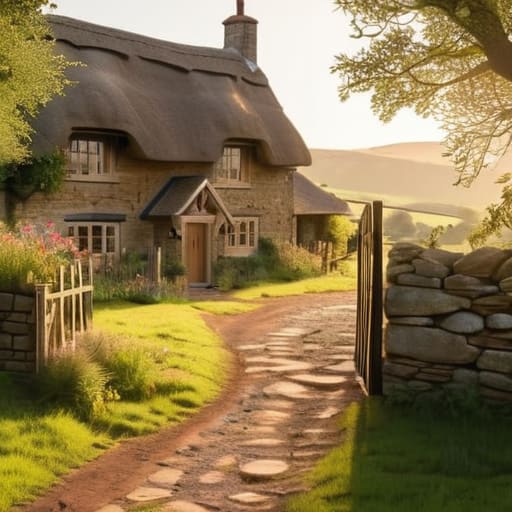
When you sit down with an agent, don’t let them just talk about square footage and number of bedrooms. Most people moving out of the city aren’t just buying four walls and a roof; they are buying the fact that they can hear the birds at 6:00 AM instead of a bin lorry. When you’re marketing countryside homes, you need to sell the things that aren’t on the floorplan. Tell them about the walk from the end of the lane to the pub—it’s a good twelve minutes, but the view over the valley is worth it. Mention that the post van comes at ten, or that the village hall hosts a decent coffee morning on Tuesdays.
It’s about the small, lived-in details that create that village lifestyle appeal for buyers. If you have a garden that has been tended for twenty years, show it off, but don’t hide the fact that the soil is heavy clay—it’s part of the character. People want to know they are joining a community, not just an address. A bit of local estate agent expertise can help, but nothing beats a homeowner who can explain exactly why the light hits the kitchen at sunset.
Rural Property Valuation Tips From the Ground Up
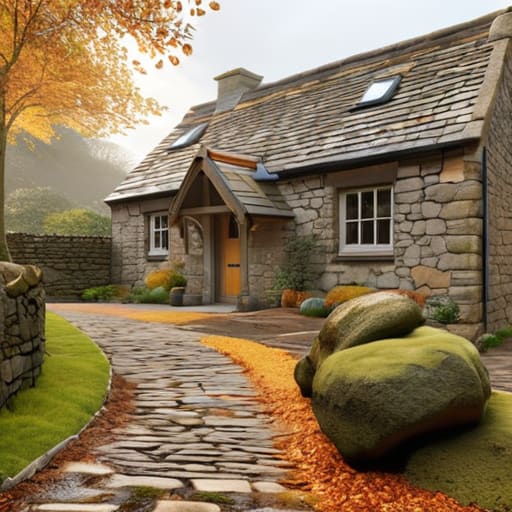
Now, when it comes to the actual numbers, don’t just take a glossy brochure at face value. I’ve spent thirty years looking at damp in floorboards and cracks in lintels, and I can tell you that a house is only as valuable as its bones. When you’re looking for rural property valuation tips, start by looking at the boundaries. A well-maintained stone wall or a sturdy fence isn’t just decoration; it’s a sign to a buyer that the previous owner actually cared about the land. If your driveway is a boggy mess every time it rains—and we know how that goes in November—you’re leaving money on the table.
You also need to lean heavily on local estate agent expertise. A big city firm might look at your square footage and see a standard cottage, but a local will know that being three minutes from the post office instead of ten adds a premium. They understand the nuances of selling property in remote areas, where things like broadband reliability or the proximity to a decent pub can swing a price more than a new kitchen ever could. Don’t just sell the bricks; sell the reality of the location.
Five things the estate agent won't tell you about getting a deal done
- Fix the damp before the viewing. I’ve seen too many lovely cottages from the mid-1800s lose a sale because a buyer spotted a bit of condensation on a window frame and immediately assumed the whole foundation was sodden. It’s usually just poor ventilation, but to a stranger, it looks like a money pit.
- Don’t hide the quirks; explain them. If that back lane gets a bit boggy after a heavy downpour in November, just say so. I’d much rather a buyer know the truth about the driveway than find out they’re stuck in the mud two weeks after moving in. Honesty builds a better sale than a polished brochure.
- Mind the boundaries. In these parts, we tend to let hedges grow where they will, but a buyer’s solicitor will be looking for precise lines. Make sure your fences aren’t leaning too heavily into the neighbour’s garden, especially if that neighbour is the type to keep a meticulous record of every inch.
- Showcase the practical bits. A buyer coming from the city isn’t just looking at your Aga; they want to know where the grit bin sits for the winter and how far the nearest post box actually is. If the village shop is a five-minute walk, tell them. If it’s a twenty-minute drive, don’t pretend it’s next door.
- Get the outbuildings sorted. Whether it’s a timber shed from the 1970s or an old stone barn, people moving to a village want to see potential. If the shed is currently just a graveyard for rusted garden tools, clear it out. A clean workshop is much easier to sell as a “potential home office” than a pile of old mowers.
Three things to remember before you put the sign up
Don’t just list the number of bedrooms; tell them about the pub down the lane or how close the post office is, because people move here for the community, not just the bricks and mortar.
Be honest about the maintenance—if that thatched roof or the old stone wall needs a bit of TLC, it’s better to flag it early than to have a surveyor find it and kill the sale three weeks later.
Remember that a house is more than its square footage, so make sure your photos show the garden or the view, rather than just a cramped kitchen that hasn’t been updated since 1974.
Beyond the brick and mortar
A buyer isn’t just paying for four walls and a pitched roof—though, heaven knows, they should check the flashing on those first—they are buying the fact that they can walk to the post office in ten minutes and that the pub still has a fire in the grate on a Tuesday night. If you only sell them the square footage, you’ve missed the point entirely.
Gordon Ellery
A Final Word Before You List

When you finally sit down to get that “For Sale” board up, remember that you aren’t just offloading bricks, mortar, and perhaps a bit of damp in the pantry. You are selling a way of life. It comes down to the things I’ve mentioned: making sure the garden path is clear, being honest about that roof tile that’s been loose since the winter of ’98, and highlighting the fact that the village pub is only a ten-minute stroll away. If you focus on the practical realities of living here—the school catchment, the reliable broadband, and the quietness of the lane—you will attract the right kind of buyer. Don’t try to polish a turd; instead, show them the true value of what makes this corner of the world tick.
Selling a home in a village can feel a bit daunting, especially when you’ve spent years making it your own. But try not to get too caught up in the paperwork and the valuations. At the end of the day, a house is just a structure, but a home is built on the community that surrounds it. Whether you are moving closer to family or heading somewhere entirely new, do so knowing that you’ve looked after your patch well. If you approach the sale with honesty and a bit of local pride, you’ll find that the right person will see exactly what I see: a place worth holding onto.
Frequently Asked Questions
Should I fix up the garden and the dry stone walls before the surveyor arrives, or is that just throwing money down a drain?
Don’t go spending a fortune on new stone, but do tidy up. A surveyor isn’t looking for a botanical garden; they’re looking for signs of trouble. If your dry stone wall is leaning like a drunk at the pub, they’ll flag it as a structural issue. Clear the ivy away from the foundations and keep the weeds down. It’s not about luxury; it’s about showing them the bones of the property are solid.
How much does the lack of high-speed broadband actually affect the price when we're dealing with buyers from the city?
It’s a significant factor now. Back when I started surveying in the eighties, a landline was plenty. These days, if you’re courting a buyer from London or Bristol looking to work from home, a spotty connection is a dealbreaker. I’ve seen sales stall because the fiber hasn’t reached the end of the lane yet. It might not slash your valuation by thousands overnight, but it certainly narrows your pool of buyers to those who don’t mind a slow Tuesday.
If I'm selling a period cottage, should I hide the damp issues or be upfront about them to avoid a collapsed chain later?
Listen, I’ve seen enough survey reports to know that damp always finds its way out. If you try to hide a patch of rising damp in a 1740s cottage with a bit of fresh emulsion, a surveyor will spot it before they’ve even finished their tea. Don’t do it. Be upfront. It’s much better to disclose it now and price it accordingly than to have a sale collapse three weeks before completion because the buyer’s solicitor found the truth.