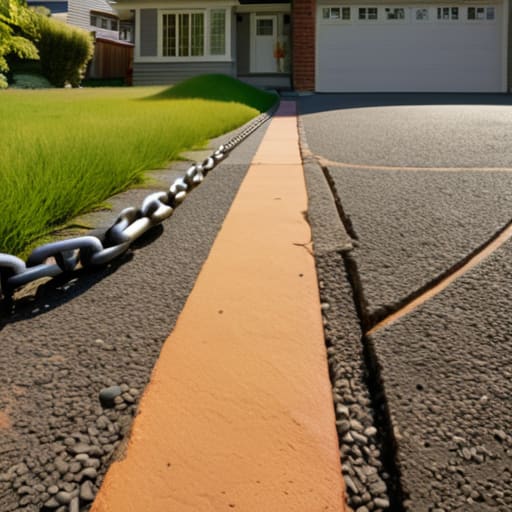
I was standing outside number 42 last Tuesday, watching a delivery van try to squeeze past a silver Audi on a stretch of tarmac no wider than a garden path, when it hit me. Most estate agents will spend your entire afternoon talking about “characterful access” or “convenient shared parking,” but they won’t tell you that buying a house with a shared driveway is often just a polite way of saying you’re entering a lifelong negotiation with your neighbour. I’ve seen too many lovely, mid-century cottages in this county ruined by a dispute over a blocked bin or a patch of oil staining the gravel, all because someone assumed a handshake was as good as a legal deed.
I’m not here to give you a lecture on property law or some glossy brochure’s version of village life. Instead, I’m going to tell you what actually happens when the rain starts falling and the driveway turns to sludge. I’ll walk you through the practical realities of maintenance, the fine print you actually need to read, and how to spot a potential headache before you’ve even handed over your deposit. If you want the truth about the tarmac, you’ve come to the right place.
Table of Contents
The Truth About Easement Agreement Legalities
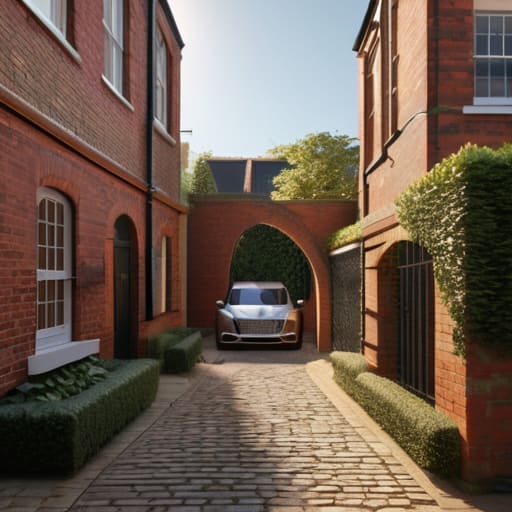
Now, don’t let a solicitor’s letter intimidate you, but don’t ignore it either. When you’re looking at the paperwork, you need to get past the jargon and find the actual legal rights of way tucked away in the fine print. I’ve seen plenty of disputes start because a buyer assumed they had the right to park a van on the verge, only to find out the deed says otherwise. You aren’t just buying the bricks and mortar; you are buying a slice of a legal arrangement that has likely existed since the house was built—many of these old Victorian terraces in the village have had these same arrangements for over a hundred years.
It is vital to understand the easement agreement legalities before you exchange contracts. It isn’t just about who can drive where; it’s about who pays when the tarmac starts to crumble. If the agreement doesn’t explicitly state how you’ll split the bill for repairs, you’re essentially inviting a headache. I’ve spent many a parish meeting listening to neighbours argue over a few hundred pounds of gravel, and believe me, it is never worth the stress.
Navigating the Property Deed Restrictions

Once you’ve moved past the legal jargon of the easement, you need to get your nose stuck into the actual property deed restrictions. I’ve seen plenty of people move into a lovely cottage in the valley, only to find out six months later that the deed explicitly forbids parking a van on the verge or, heaven forbid, installing a gate that obstructs the neighbour’s view. These aren’t just suggestions; they are the rules of the house, written down decades ago by people who likely had very different ideas about what a driveway should look like.
You must also look closely at how the paperwork handles the practicalities of upkeep. It isn’t enough to know you have the right to drive over the tarmac; you need to know who pays when the frost heaves it up or when a heavy delivery lorry cracks a slab. I always tell folks to check for specific clauses regarding shared driveway maintenance costs before they commit. If the deed doesn’t clearly state how the bill is split, you aren’t just buying a home—you’re buying a potential argument with the person next door.
Five things to check before you commit to the tarmac
- Walk the length of it at 8:00 AM on a Tuesday. I don’t care if the estate agent says it’s “convenient”; you need to see if your neighbour’s delivery van or their teenager’s hatchback is parked in a way that turns your morning exit into a twenty-minute manoeuvring exercise.
- Look closely at the surface itself. If you see cracks wider than a five-pence piece or patches of uneven subsidence, you aren’t just buying a driveway; you’re inheriting a joint repair bill that neither of you will want to pay when the frost hits in January.
- Check the drainage. I’ve seen too many lovely cottages in this part of the county ruined because a shared driveway was graded poorly, turning the whole thing into a shallow river every time we get a proper downpour.
- Ask about the maintenance history, not just the paperwork. You want to know if the person next door actually picks up a broom or if they’re the type to let weeds grow through the gravel until it looks like a bramble patch.
- Confirm the lighting and security. If the driveway is long and skirts a dark hedge or a boundary wall, make sure there’s a way to see where you’re going at night, and check if the neighbour’s motion sensor is going to be blinding you every time a fox wanders past.
Three things to check before you commit
Get out of the solicitor’s office and onto the tarmac; walk the length of the drive at 8:00 AM to see if your neighbour’s oversized Land Rover actually leaves enough room for you to get your car out without a lecture.
Don’t just rely on a handshake and a “we’ve always been on good terms”; if the right to use that strip of land isn’t explicitly written in the deeds, you’re essentially building your future on a polite suggestion.
Ask the person currently living there how they handle the maintenance; if the potholes aren’t being filled and nobody can agree on who pays for the gravel, you’ll be the one stuck in the middle of a village feud by next Christmas.
The real test of a shared driveway
You can spend all afternoon poring over the legalities in the solicitor’s folder, but none of those papers will tell you what happens when your neighbour’s guest decides to park right across the access point for three days straight; you need to know if you’re buying a peaceful home or a permanent, low-level argument with the person next door.
Gordon Ellery
A final word before you pack the van
At the end of the day, buying a house with a shared driveway isn’t just about checking the thickness of the tarmac or ensuring the legal easement is tucked neatly into the deeds. It is about the practicalities that the solicitors rarely mention: who clears the snow in January, who pays for the new gravel when the old stuff disappears into the hedge, and how you handle it when your neighbour’s guest decides to park right across your preferred spot. You have to weigh up the legal protections against the daily reality of shared space. If you haven’t checked the width of that lane or had a quiet word with the person living at the other end, you aren’t truly prepared. Do your homework now, because a dispute over a parking space is a far harder thing to fix than a cracked driveway.
Ultimately, though, a shared driveway is often just a physical manifestation of how you intend to live within a community. If you find a home you love—perhaps one of those lovely 1930s semis with the good bones and the south-facing garden—don’t let a bit of shared tarmac scare you off entirely. Most people are decent enough, and a little bit of good-natured compromise goes much further than any written agreement ever could. A house is more than just its boundaries; it is about the people you live alongside. If the neighbours are the sort who’ll help you move a heavy planter or keep an eye on your bins, then you’ve found something far more valuable than a private entrance.
Frequently Asked Questions
If the driveway starts cracking or the surface needs a full relay, who actually reaches into their wallet to pay for it?
That is the question that usually gets asked at the pub after a particularly long parish meeting. Usually, the deed should say, but in practice, it’s a bit of a muddle. If you’ve both got a right to use it, you’ve generally both got a responsibility to maintain it. If the tarmac starts crumbling near the gate, you can’t just point at the neighbour; you’ll likely be splitting the bill fifty-fifty.
What happens if a neighbour decides to park a large van right in the middle of the access point, making it impossible for me to get my car out for work?
It’s a nightmare scenario, and I’ve seen it happen more than once on the narrow lanes around here. If they’re blocking the access point entirely, they are likely in breach of that easement we discussed. Don’t start a shouting match over the garden fence, though; it rarely ends well. First, check your deeds to confirm the specific wording of your right of way. If it’s a clear obstruction, you’ll need a solicitor to send a formal letter.
Can I put up a gate or a bollard to secure my property, or does that interfere with the other person's right to get in and out?
Now, this is where things get prickly. You might be tempted to pop a sturdy timber gate or a heavy bollard at the edge of your bit to keep the riff-raff out, but hold your horses. If your deed says they have a right of way, that right includes the ability to use it without a hurdle. You can’t block their path, even if it’s on your side of the line. If you do, you’re looking at a legal headache that’ll last longer than a damp mortgage.