I was clearing out the old potting shed last Tuesday—the one built back in 1954, mind you, though the roof tiles have seen better days—when I found an old, tattered book on “holistic wellness.” It was full of nonsense about expensive retreats and mindfulness apps that cost a monthly subscription just to breathe properly. It set my teeth on edge. People make such a fuss about the benefits of gardening for health as if you need a degree in botany or a designer spade to get the job done. Truthfully, you don’t need a lifestyle coach to tell you that a bit of honest toil in the soil does more for your temperament than any overpriced scented candle ever could.
I’m not here to sell you on a fancy new way of living; I’m here to tell you what actually works when your knees are aching and the weeds are winning. I’ll be sharing what I’ve learned from forty years of getting my hands dirty, from the way a bit of weeding settles a restless mind to how a proper vegetable patch keeps you moving. This isn’t about perfection; it’s about practical, real-world results that you can find right in your own backyard.
Table of Contents
- Finding Stress Reduction Through Nature in the Soil
- The Physical Benefits of Horticulture and Moving Your Body
- A Few Practical Ways to Make the Most of Your Patch
- A Few Final Thoughts from the Garden Gate
- More Than Just a Bit of Digging
- A Final Thought from the Garden Gate
- Frequently Asked Questions
Finding Stress Reduction Through Nature in the Soil
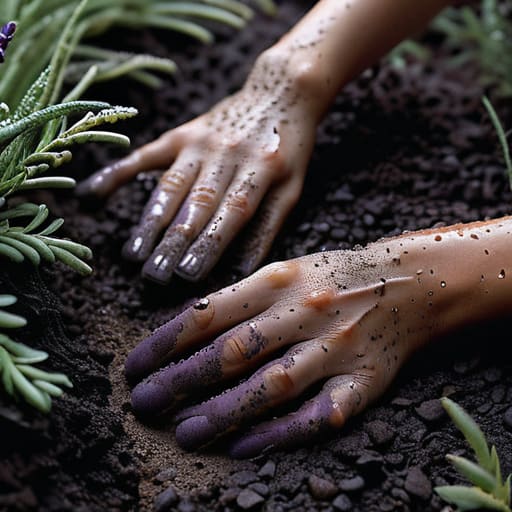
I remember a particularly grey Tuesday last November, standing in my back garden near the old flint boundary wall—which, if I recall, was laid around 1840—just staring at a patch of mud. My mind was racing with parish council disputes and the usual clutter of retirement. But as I knelt down to clear some spent lavender, something shifted. There is a particular kind of stress reduction through nature that you simply cannot find behind a computer screen or even in a well-kept park. It is in the tactile reality of the soil; the way it resists the spade and the way the damp air settles in your lungs.
When you are focused on the delicate task of thinning out seedlings or ensuring a border is straight, the noise in your head tends to quieten. I’ve found that these therapeutic gardening practices act as a sort of natural reset button. You aren’t worrying about the rising cost of timber or the state of the local bus service when you are preoccupied with whether the foxglove needs more mulch. It is a quiet, singular focus that keeps the mind from wandering into places it shouldn’t go.
The Physical Benefits of Horticulture and Moving Your Body
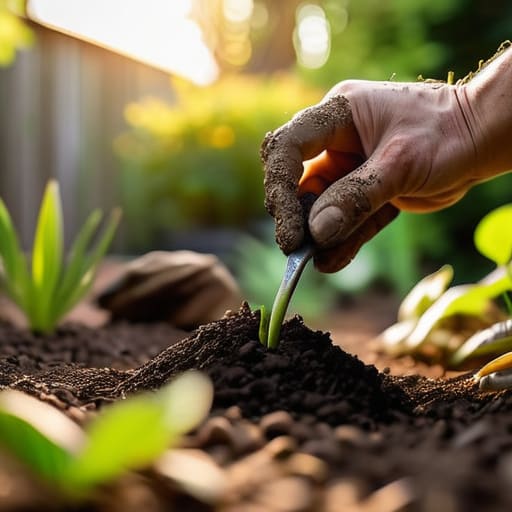
Now, don’t get me wrong—I’m not suggesting you go out and try to clear a half-acre of brambles if your knees aren’t up to it. But there is a certain kind of functional fitness that comes from the daily graft. I’ve found that the physical benefits of horticulture aren’t found in a gym membership, but in the steady, repetitive motions of life. Digging a new border or even just the constant bending to weed the gravel paths keeps the joints moving in a way that a treadmill simply can’t replicate. It’s a slow, purposeful kind of movement that builds a sturdy sort of strength.
There is also the matter of the sun, provided you aren’t working under a heavy grey sky like we had last Tuesday. Getting out there during those clearer spells helps you soak up a bit of vitamin D from outdoor gardening, which does wonders for the bones and the general constitution. I always tell the younger lot in the parish that if you want to stay limber, you shouldn’t just sit on the patio; you ought to be getting your hands into the earth. It’s honest work, and your body certainly feels the difference.
A Few Practical Ways to Make the Most of Your Patch
- Don’t go trying to tackle the whole allotment in one weekend. I’ve seen plenty of folks set out to clear a thicket of brambles only to end up with a strained back and a half-finished job. Start small, perhaps with a single raised bed or even just some pots on the patio, and build your stamina as the season progresses.
- Invest in a decent pair of gloves and a proper spade. I spent thirty years inspecting foundations and I can tell you that cheap tools are a waste of money; they’ll just end up making your hands blister and your joints ache. A tool that fits well in the hand makes the work feel less like a chore and more like a craft.
- Keep an eye on your posture when you’re weeding. It’s easy to hunch over like a question mark when you’re focused on a patch of bindweed, but that’s a quick way to ensure you won’t be walking straight by Tuesday. Use a kneeling stool or a small garden seat to keep your spine in a better position.
- Use the garden as a way to reconnect with the seasons rather than fighting them. There is a particular peace in planting bulbs in late autumn when the ground is damp and heavy, knowing they’ll be there come spring. Working with the natural rhythm of the year helps settle the mind far better than trying to force a bloom out of season.
- Make it a social thing where you can. Whether it’s sharing a surplus of runner beans with the neighbours or just sitting on a bench with a cup of tea after the digging is done, the garden shouldn’t be a solitary confinement cell. A bit of conversation over a hedge is just as good for the soul as the planting itself.
A Few Final Thoughts from the Garden Gate
Don’t worry about having a perfect plot; even a couple of pots on a sunny doorstep will do more for your peace of mind than sitting staring at a television.
Treat the work as movement rather than exercise; a bit of digging or weeding is far more useful for the joints than a forced hour on a treadmill.
Remember that the garden isn’t just about the harvest, but about the quiet rhythm of it—the best way to clear your head is simply to get your hands in the earth.
More Than Just a Bit of Digging
I’ve spent thirty years looking at the structural integrity of flint and brick, but you won’t find much use for a spirit level when it comes to the soul; sometimes, the best way to steady yourself is to get your hands into some damp earth and focus on nothing more complicated than a stubborn weed or a ripening tomato.
Gordon Ellery
A Final Thought from the Garden Gate
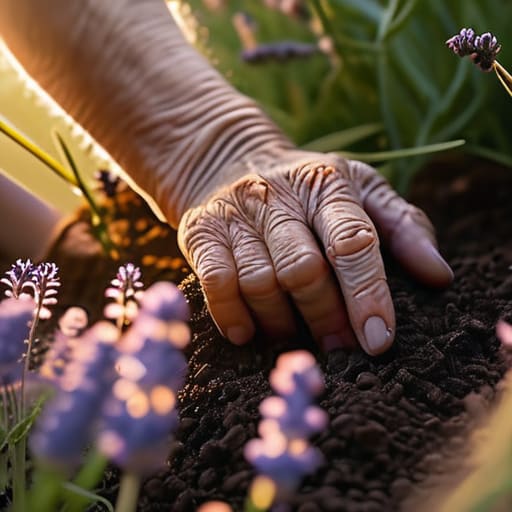
When you step back and look at the whole picture, it isn’t just about the tomatoes or the tidy flowerbeds. We’ve talked about how the work keeps the joints moving—much like the steady pace needed to walk the perimeter of the old manor estate—and how the quiet of the soil settles a restless mind. Whether you are battling a stubborn weed or simply watching the light change over the lavender, you are engaging in something that mends the spirit as much as the body. It is a holistic sort of business, combining the physical rigour of the task with a mental stillness that is becoming increasingly hard to find in our modern, noisy world.
I’ve spent many a Saturday afternoon wrestling with dry stone walls that have stood since the mid-Victorian era, and I can tell you that the most important thing isn’t getting it perfect on the first try. It is about the connection to the land and the patience required to see things grow. You don’t need a sprawling acre or a professional greenhouse to reap these rewards; even a few pots on a patio can do the trick. So, if you’ve been feeling a bit frayed at the edges, I suggest you head outside, get your hands a bit dirty, and see for yourself. It’s often the simplest things that hold the most value.
Frequently Asked Questions
Is it worth starting a small vegetable patch if I only have a tiny patio and no proper garden?
Don’t let a bit of paving stones put you off. I’ve seen many a cramped courtyard in Salisbury that produces more tomatoes than a proper acre. Get yourself some sturdy terracotta pots or even a few raised wooden troughs—mind the weight on the patio, mind you—and you’ll do fine. Herbs and salad leaves are your best bet for small spaces. It’s not about the acreage; it’s about the effort you put in.
How much of my actual physical health can I expect to improve if I'm just doing light weeding and potting rather than heavy digging?
Don’t let the lack of a heavy spade fool you. I’ve seen many a man break his back trying to turn a vegetable patch in one go, only to spend a week on the sofa. Light weeding and potting might seem small, but it’s the consistency that counts. It keeps the joints moving and the blood flowing without the risk of a pulled muscle. It’s steady, functional movement—exactly what the doctor orders.
Do the mental benefits really hold up when you're dealing with the frustration of pests or a sudden bout of bad weather?
Look, I won’t lie to you—it’s easy to feel zen when the lavender is blooming in June. But when a slug battalion descends on your hostas or a sudden July downpour turns your flowerbeds into a marsh, that patience is tested. I’ve stood there in the rain, staring at a ruined crop, feeling every bit of that frustration. Yet, even then, there’s a quiet sort of clarity in just getting on with the mending.