
I sat in the waiting room at the surgery last Tuesday, watching a young man pace the linoleum floor like a caged animal. He’d clearly spent the morning scrolling through some wellness blog, convinced he needed a three-page manifesto to explain his symptoms. It’s a common mistake, and quite frankly, a waste of everyone’s time. People think they need to be medical experts to get results, but knowing how to prepare for a gp appointment isn’t about studying textbooks; it’s about being sensible. Most people walk in, get flustered by the clinical smell and the ticking clock, and completely forget the one thing that actually matters.
I’m not here to give you any of that polished, clinical nonsense you’ll find in a glossy brochure. Instead, I’m going to share what I’ve learned from years of navigating these small-town surgeries—the kind of straight-talking advice that actually works when you’re sitting on that crinkly paper on the exam table. I’ll show you how to organise your thoughts so you don’t leave feeling like you’ve missed half the conversation. We’ll keep it simple, practical, and brief, just the way it ought to be.
Table of Contents
- How to Prepare for a Gp Appointment With Purpose
- Tracking Health Symptoms Before You Step Through the Door
- A few practical things to keep in mind before you head down the lane
- A quick checklist before you head out
- The importance of being prepared
- A bit of preparation goes a long way
- Frequently Asked Questions
How to Prepare for a Gp Appointment With Purpose
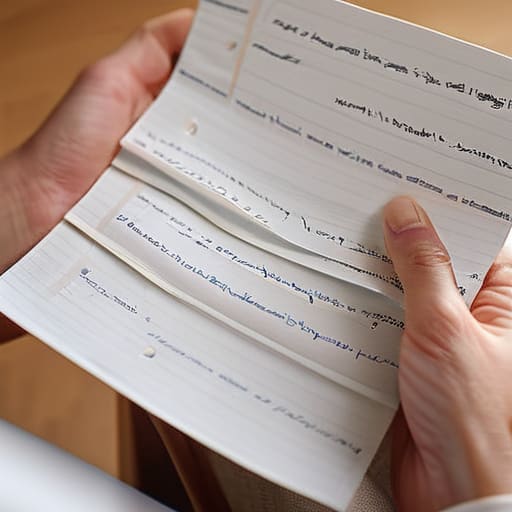
I’ve sat in many a waiting room—some with lovely oak panelling and others with nothing but a cracked linoleum floor and a dated copy of the Gazette—and the ones who get the most out of their ten minutes are never the loudest. They are the ones who arrive with a plan. I find that preparing a medical history summary on a simple piece of paper is far more effective than trying to recall every ache and pain while sitting on that uncomfortable plastic chair. If you try to remember everything in the moment, you’ll invariably forget the very thing that brought you there in the first place.
Don’t rely on your memory alone; keep a small notebook in your coat pocket for tracking health symptoms as they happen. Note down when the pain starts, how long it lasts, and what you were doing at the time. It sounds a bit fussy, I know, but when you are sitting there across from the doctor, having a written GP appointment checklist ensures you don’t leave the room wondering if you actually mentioned that strange cough or the recurring ache in your hip. It’s about making sure the conversation stays on track.
Tracking Health Symptoms Before You Step Through the Door

I’ve sat in enough waiting rooms to know that the moment the doctor asks, “So, what seems to be the problem?”, your mind tends to go as blank as a freshly plastered wall. You remember the pain was sharp, but suddenly you can’t recall if it was Tuesday or Thursday, or if it happened before or after your tea. To avoid this, I suggest tracking health symptoms in a small notebook or even just on a scrap of paper kept on the kitchen counter. Don’t bother with anything fancy; just jot down the time, the sensation, and what you were doing when it hit.
If you want to be truly efficient, try preparing a medical history summary that lists your current medications and any recent changes in your routine. It’s much better than fumbling through a wallet for a crumpled prescription slip while the doctor is looking at the clock. I’ve found that having a written list of your three most important concerns ensures you don’t walk out of the surgery halfway through the list, thinking, “I forgot to mention the numbness in my left foot.”
A few practical things to keep in mind before you head down the lane
- Bring a proper list of your current medications, including any vitamins or herbal supplements you’ve picked up from the chemist. Don’t rely on memory; once the doctor starts asking, you’ll find yourself staring at the ceiling trying to remember if it was once a day or twice.
- If you are seeing the doctor about a specific ache or a recurring problem, try to pin down exactly when it happens. Is it after a walk up towards the old mill, or does it only settle in when you’ve been sitting for an hour? That kind of detail matters more than a vague “it just hurts.”
- Write down your three most important questions on a single sheet of paper. It is very easy to spend fifteen minutes talking about the weather or the state of the local roads, only to realise you’ve run out of time before you’ve asked the one thing that actually brought you there.
- If you are bringing someone along for support, make sure they know their role. It’s helpful to have a second pair of ears to catch the bits you might miss while you’re busy trying to explain yourself, but don’t let the conversation turn into a committee meeting.
- Check your appointment time against the reality of the bus schedule or the traffic on the main road. If the surgery is ten minutes’ walk from the village green, give yourself twenty. Turning up flustered and out of breath doesn’t exactly help you settle into a productive conversation.
A quick checklist before you head out
Write your symptoms down on a scrap of paper or your phone; once you’re sitting in that small consulting room, your mind is liable to go as blank as a fresh coat of lime wash.
Bring a list of every medication and supplement you actually take, including the ones you think are unimportant, so there’s no guesswork involved.
Decide on your main question before you knock on the door, because if you try to cover everything at once, you’ll likely leave without the one answer you actually needed.
The importance of being prepared
“You wouldn’t show up to a surveyor’s inspection without having your paperwork in order and your questions ready, so don’t treat a doctor’s appointment any differently; if you go in there without a clear list of what’s actually bothering you, you’ll likely leave the surgery feeling like you’ve missed the most important bit.”
Gordon Ellery
A bit of preparation goes a long way
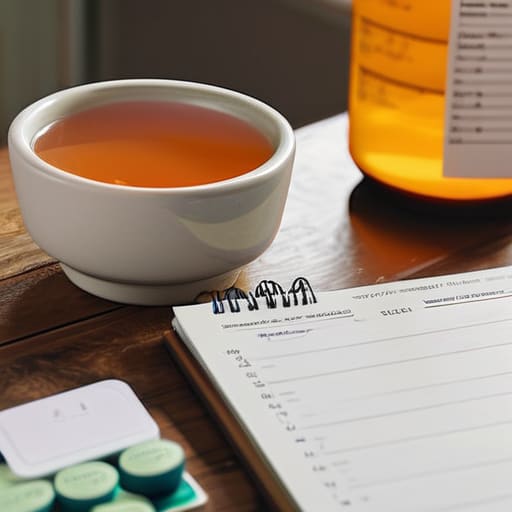
At the end of the day, getting the most out of a ten-minute slot isn’t about being difficult or demanding more time than is allocated; it is simply about being efficient. If you’ve done the legwork—written down those symptoms, gathered your current list of medications, and noted down the specific questions that have been keeping you awake—you won’t find yourself standing there in the consultation room, staring at the doctor and wondering why you walked in. It is much like surveying a property; if you don’t go in with a clear checklist of what you’re looking for, you’ll likely miss the damp patch behind the sideboard or the hairline crack in the lintel. Be prepared, be concise, and be clear.
We often treat these appointments with a certain level of dread, as if we are being summoned to a tribunal, but I’ve come to see them differently. Your health is your most important asset, far more valuable than any flint-walled cottage or orchard in the county. Taking these few minutes to organise your thoughts is an act of looking after yourself properly. It ensures that when you finally sit down in that chair, you aren’t just a passive observer in your own life, but an active participant. You know your body better than anyone else does, so make sure you give the doctor the best possible tools to help you.
Frequently Asked Questions
What if I have a long list of different issues and I’m worried the doctor won't have time to get through all of them?
It’s a common worry, and a sensible one. These appointments are often ten minutes long—about the time it takes to walk from the village green to the post office. If you turn up with a list of six things, you’ll leave feeling unheard. My advice? Pick your top two. Tackle the most pressing issue first. If there’s time left, move to the next. It’s better to solve one problem properly than to rush through five.
Should I bring someone along with me to take notes, or is that considered a bother to the surgery?
Not at all. In fact, I’d encourage it. I remember a neighbour of mine, Arthur, who went in once for a chest issue; he was so focused on explaining his cough that he completely forgot to mention the shortness of breath. If you have a spouse or a friend there to jot down what the doctor actually says, you’ll find it much easier to digest the information once you’ve walked back down the lane.
Is it worth bringing my actual medication bottles into the room, or is a written list of names enough?
If you can manage the weight of them, bring the actual bottles. I’ve spent enough time looking at property surveys to know that the fine print matters more than the summary. A written list is a good start, but names can be similar and dosages are easily misread. Having the physical containers there—with the exact milligram counts and the pharmacy labels intact—removes any guesswork. It’s better to be over-prepared than to leave a detail behind.