
I see those glossy fitness magazines in the shop window every Tuesday, filled with nonsense about high-tech sensors and expensive, neon-coloured trainers that cost more than a decent set of masonry tools. They make it sound like you need a PhD and a mountain of gear just to get your heart rate up, but frankly, it’s all a bit much. I’ve spent thirty years looking at foundations and floorboards, and I know that the simplest things are usually the ones that actually hold up. You don’t need a subscription service to understand the benefits of walking daily; you just need a sturdy pair of boots and a bit of sense.
I’m not here to sell you on some miracle cure or a complicated training regime. Instead, I want to tell you what I’ve learned from years of navigating the muddy bridleways between our village and the old mill—a walk that takes me roughly fifty-five minutes depending on how much the gravel has shifted. I’ll be sharing the honest, unvarnished truth about how a simple stroll can steady your nerves and clear the cobwebs, based entirely on what I’ve actually experienced on my own two feet.
Table of Contents
- Low Impact Cardiovascular Exercise for a Steady Heart
- Walking for Weight Management Without the Frantic Rush
- Five ways to make your daily walk actually work for you
- A few things to keep in mind before you lace up
- More than just a way to clear the legs
- A final thought from the lane
- Frequently Asked Questions
Low Impact Cardiovascular Exercise for a Steady Heart

Now, I’m not a doctor, but I’ve spent enough time looking at the structural integrity of houses to know that if you put too much stress on a foundation without the right support, things start to crack. The human body is much the same. I used to see plenty of folks trying to jog through the village green, often looking like they were in a fair bit of pain. When you look at walking vs running for health, walking is often the more sensible choice for those of us who aren’t twenty anymore. It serves as a reliable form of low impact cardiovascular exercise, keeping the blood pumping without the punishing jar on the knees that a sprint provides.
I’ve found that a brisk pace—the kind that makes you breathe a little harder but still allows you to finish a sentence—is plenty to keep the engine running smoothly. It isn’t about sprinting for the bus; it’s about consistent, steady movement. By focusing on improving mobility through walking, you’re essentially oiling the joints and keeping the circulation steady. It’s a much more sustainable way to look after your heart than any sudden, frantic burst of activity.
Walking for Weight Management Without the Frantic Rush

Now, I’m not one for the fad diets that promise you’ll shed ten pounds by Tuesday, nor do I fancy sprinting through the village lanes like a man possessed. I’ve seen enough people tear their hamstrings trying to keep up with a fitness video to know that it isn’t worth the hospital bill. When it comes to walking for weight management, the secret isn’t in the speed, but in the sheer, stubborn consistency of it. It’s about that steady, rhythmic movement that keeps the engine running without blowing a gasket.
I tend to look at it like maintaining a stone wall; you don’t do it all in one frantic afternoon, or you’ll leave it crooked. You do a little bit every day. If you can hit your daily step count goals by simply opting for the long way round the churchyard rather than the shortcut through the allotments, you’ll find the weight settles much more naturally. It’s a slow burn, certainly, but it’s a sustainable one. Unlike the frantic rush of a gym session, a brisk walk lets you actually enjoy the scenery while you work.
Five ways to make your daily walk actually work for you
- Don’t bother with the fancy gadgets; just get a decent pair of boots that won’t leave you with blisters by the time you reach the old mill. I’ve seen enough people ruin a good stroll because they thought expensive trainers would compensate for poor support.
- Keep an eye on the weather, but don’t let a bit of Hampshire drizzle keep you indoors. A proper waterproof jacket is worth its weight in gold, and there’s nothing quite like the clarity you get walking through the village when the air is fresh and the streets are empty.
- Vary your route so you aren’t just pacing the same loop around the village green every single day. I like to take the long way round via the lane behind the rectory—it adds ten minutes to the trip, but the slight incline does more for your legs than the flat pavement ever will.
- Use the time to actually look at things rather than staring at a screen. I find that noticing the way the light hits the flint on the cottage walls, or spotting which hedges are starting to bud, keeps the mind far sharper than any podcast ever could.
- Consistency beats intensity every time. It is much better to do twenty minutes every morning before the postman arrives than to attempt a three-hour trek once a fortnight and spend the rest of the week hobbling around your kitchen.
A few things to keep in mind before you lace up
Don’t go chasing marathons; a steady, brisk walk along the parish boundary is plenty if you do it every single day.
Check your footwear—I’ve seen too many folks try to tackle the muddy lanes behind the old mill in trainers that have seen better days.
Use it as an excuse to see the village; the best way to clear your head is to notice the things most people drive past without a second thought.
More than just a way to clear the legs
You don’t need a fancy treadmill or a membership to a place with bright lights and loud music; sometimes, all you need is a sturdy pair of boots and the twenty minutes it takes to walk from the bottom of the lane to the old mill and back.
Gordon Ellery
A final thought from the lane
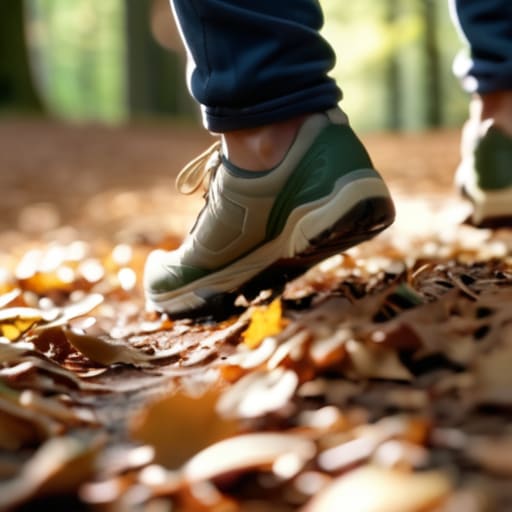
When you step back and look at the whole picture, it isn’t just about the calories burned or the steady rhythm of your pulse. We’ve talked about how a daily walk manages your weight without needing a frantic gym membership, and how it keeps the heart working hard without the strain of a sprint. It is a complete, low-impact system for keeping the body in good repair. I’ve spent thirty years looking at the foundations of houses, and I can tell you that a building lasts much longer when it isn’t subjected to constant, heavy shocks. The human body is much the same; it thrives on consistent, gentle movement rather than sudden, punishing bursts of effort.
If you are looking for a sign to start, don’t wait for a new pair of expensive trainers or a change in the weather. Just put your boots on and head out the gate. Whether it is a quick loop around the village green or a proper forty-minute trek down towards the old mill, the important thing is simply to get moving. You don’t need a training plan or a coach; you just need a bit of daylight and a clear path. I’ll be out on the lane myself tomorrow morning, likely heading towards the church—you might well see me there. Just take the first step, and the rest will follow.
Frequently Asked Questions
If I'm starting out, is it better to walk for a long time once a week or just a few minutes every single morning?
If you’re just starting, don’t go trying to tackle the three-mile loop around the parish church all at once. You’ll only end up with sore knees and a grudge against the outdoors. It is far better to get out for ten or fifteen minutes every single morning. Consistency beats intensity every time. It’s like maintaining a dry stone wall; you don’t do it all in one afternoon, or you’ll lose your footing.
Should I be worried about the uneven footpaths around the village, or is a bit of a wobble actually good for my balance?
Now, don’t go thinking a bit of a wobble is training for the Olympics. While navigating the lip of a loose flagstone on High Street—most of which haven’t been level since the mid-seventies—does keep your ankles nimble, it isn’t a substitute for safety. I’ve seen enough slipped discs at the surgery to know the difference between balance work and a trip to A&E. Watch your step, especially where the frost has heaved the tarmac.
Do I really need proper walking boots, or will my old trainers do the job for a stroll down to the post office?
If you’re just popping down to the post office on the tarmac, your old trainers are fine. But if you’re heading out past the old mill and onto the bridleway, I’d reconsider. I’ve seen too many people take a twist to the ankle on a loose stone because their soles were worn thin. A decent pair of boots offers the grip and ankle support you need when the ground gets uneven or the mud thickens.