I was standing in my kitchen yesterday morning, staring at the bottom of my electric kettle, when I realised it looked more like a piece of ancient limestone than a piece of modern kitchenware. There is a common misconception that you need to go out and buy those expensive, bright-coloured chemical tablets to get the job done, but that is a complete waste of money. After thirty years of inspecting properties, I’ve learned that most problems—whether it’s a crumbling lintel or a crusty appliance—don’t require a specialist, just the right approach. If you are wondering how to descale a kettle without spending a fortune on supermarket gimmicks, the truth is much simpler than the packaging leads you to believe.
I’ve spent the morning testing a few different methods to ensure I’m only giving you the bits that actually work. In this guide, I won’t be wasting your time with complicated gadgets or fancy terminology; I’m going to show you exactly how to descale a kettle using basic household items like white vinegar or even just a bit of lemon. I’ll walk you through the process step-by-step so you can get back to your morning brew without the grit at the bottom of your cup.
Table of Contents
- Step-by-Step Instructions
- Citric Acid vs Vinegar Choosing the Right Natural Descaling Solutions
- Cleaning Electric Kettle Heating Elements to Stop Removing White Mineral Bu
- A Few Bits of Advice from My Own Kitchen
- A Few Final Thoughts Before You Get Started
- A bit of maintenance goes a long way
- A Bit of Maintenance Goes a Long Way
- Frequently Asked Questions
Guide Overview
Tools & Supplies
- Soft cloth or sponge for rinsing
- Measuring cup for water
- White vinegar or citric acid (approx. 1 cup or 2 tablespoons)
- Fresh water (enough to fill the kettle)
Step-by-Step Instructions
- 1. First, you’ll need to decide whether you’re going the natural route or the chemical one. I’ve always preferred white vinegar because it’s sitting in the pantry right now, but if you’ve got a particularly stubborn layer of calcium, a proper descaling liquid from the chemist will do the job. Fill your kettle about halfway with a mixture of equal parts water and vinegar, making sure the liquid covers any visible white flakes on the heating element.
- 2. Once it’s filled, pop the kettle on and bring the solution to a rolling boil. You’ll know it’s working when the smell of the vinegar hits you—it’s a bit sharp, mind you, but that’s just the sign that the acid is actually getting to work on the mineral buildup.
- 3. After the kettle has boiled, don’t go rushing to pour it out immediately. You need to let it sit for at least twenty minutes. I usually take this time to check the post or have a quick look at the garden, but the key is letting that acidity soften the scale so it doesn’t require any scrubbing later.
- 4. Now, carefully pour the solution out into the sink. If the descaling worked properly, you should see chunks of white scale flaking off into the basin. If there are still stubborn patches clinging to the bottom, you might need to repeat the process, but don’t be afraid to give it a gentle nudge with a soft sponge if things are looking particularly grim.
- 5. This is the part most people rush through, which is a mistake. You must rinse the kettle thoroughly with fresh water. I find it best to fill it up, boil it once more, and discard that water entirely. This ensures you aren’t left with a cup of tea that tastes more like a salad dressing than a proper brew.
- 6. Finally, take a clean, dry cloth and wipe down the outside and the spout. It sounds a bit fussy, but a clean kettle looks much better sitting on the counter, and it’s a good chance to check that the electrical base is dry and free of any spills before you plug it back in.
Citric Acid vs Vinegar Choosing the Right Natural Descaling Solutions
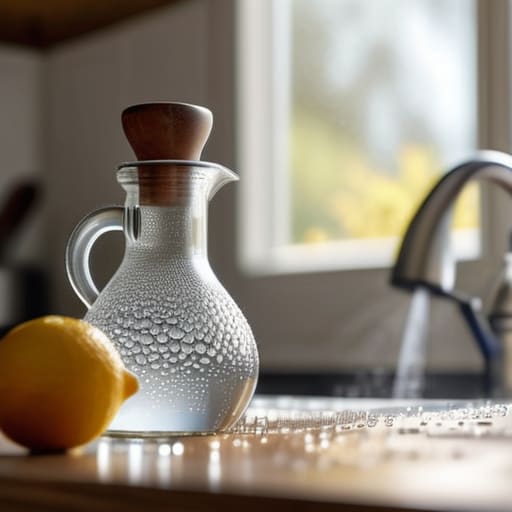
Now, when it comes to picking your weapon, you’ll likely find yourself weighing up citric acid vs vinegar for descaling. I’ve spent many a morning in my own kitchen deciding which is best for the job. Vinegar is the old reliable; most of us have a bottle of white vinegar sitting in the larder right now. It’s effective, certainly, but it does leave a sharp, pungent scent that lingers in the air—and occasionally in your morning brew—if you don’t rinse it thoroughly.
If you find the smell of vinegar a bit much, I usually reach for citric acid. It’s a fine powder you can pick up at most decent grocers, and it’s much more efficient at removing white mineral buildup without the heavy odour. It works its way through the scale quite cleanly, which is helpful if you are cleaning an electric kettle heating element that has become particularly stubborn. Personally, I find the acid granules a bit more “civilised” for a quiet morning, but both will do the trick if you aren’t in a hurry.
Cleaning Electric Kettle Heating Elements to Stop Removing White Mineral Bu

Now, if you’ve been letting that white crust grow for a few months too many, you might find that a simple soak isn’t quite enough. I’ve seen many a kettle in my time—some of the heavy-duty models used in the village hall back in the late eighties—where the scale has become so thick it’s actually insulating the element. When that happens, the heating element has to work twice as hard to get the water to a boil, which is a quick way to blow a fuse or burn out the unit entirely. If you are cleaning electric kettle heating elements that look more like a cauliflower than a piece of metal, you’ll need to be patient.
Don’t go scrubbing at it with a steel wool pad; you’ll ruin the finish and end up with metal bits in your morning brew. Instead, once you’ve used your chosen natural solution, let it sit for an extra twenty minutes. The trick to removing white mineral buildup without damage is time, not force. If you keep on top of it, you won’t find yourself staring at a dead appliance come next Tuesday.
A Few Bits of Advice from My Own Kitchen
- Don’t go overboard with the vinegar if you can help it; it’s effective, certainly, but if you leave it sitting too long, that sharp smell will linger in your tea for the rest of the afternoon.
- If you have one of those fancy electric models with a concealed heating element, be gentle. You want to lift the scale away, not scrub it so hard you scratch the protective coating.
- Always do a couple of “dummy boils” after you’ve finished cleaning. Run the kettle through two full cycles with nothing but fresh water in it to make sure every last bit of acid or vinegar has been rinsed out.
- Keep an eye on your water hardness. If you’re living in one of the harder-water areas around the edge of the Chilterns, you’ll be looking at that white crust much more often than someone down in the south coast.
- A little bit of prevention goes a long way. If you’ve boiled the kettle for a big morning brew and there’s still a good amount of water left, don’t just let it sit there and evaporate; pour it out so the minerals don’t have a chance to settle.
A Few Final Thoughts Before You Get Started
Don’t wait until the kettle starts making a racket or taking five minutes to boil; a quick monthly descale with vinegar or citric acid saves you the headache of a heavy-duty scrub later.
If you’re using vinegar, don’t panic if the smell lingers for a bit—just give it a couple of plain water boils to clear the air before you make your morning tea.
Remember that hard water is just part of living in this part of the country, so keep a regular eye on those heating elements to make sure they aren’t being choked by lime.
A bit of maintenance goes a long way
I spent thirty years looking at damp in floorboards and cracks in lintels, and if there is one thing I’ve learned, it’s that ignoring a small problem never makes it go away; it just makes the eventual repair much more expensive and a lot more annoying. A crusty kettle is no different from a sagging roof—it’s a simple bit of upkeep that keeps the whole thing running properly.
Gordon Ellery
A Bit of Maintenance Goes a Long Way
At the end of the day, whether you opt for the sharp sting of white vinegar or the cleaner scent of citric acid, the goal remains the same: keeping that heating element clear of the white crust that slows everything down. I’ve spent enough years looking at damp-ridden masonry to know that if you ignore a small problem, it eventually becomes a structural one; the same applies to your kitchen appliances. Don’t wait until your kettle starts clicking like a metronome or taking five minutes just to boil a single cup of tea. A quick, regular descaling routine—perhaps once a month if you’re on our hard water here in the village—will save you from the frustration of a broken appliance and the cost of a replacement.
It might seem like a trivial thing to spend ten minutes on a Tuesday afternoon, but there is a certain quiet satisfaction in tending to the small things. We spend so much of our time worrying about the big, loud issues—the rising cost of heating or the state of the high street—that we forget how much a bit of order in our own homes can steady the nerves. A clean kettle, a hot brew, and a moment of stillness are often all one needs to get through a damp afternoon. Take care of your tools, and they’ll take care of you.
Frequently Asked Questions
If I can still see a bit of white spotting on the bottom after descaling, does it actually matter or is it fine to leave it?
Look, I’ve spent enough time inspecting damp-staining on Victorian masonry to know that a little bit of residue isn’t always a disaster. If it’s just a few faint white spots on the base of the kettle, you can leave it. It won’t hurt the element or the water. However, if those spots feel gritty or look like thick crust, get back to it. If the scale builds up too thick, you’re just asking for a burnt taste and a higher electric bill.
Is it worth buying one of those expensive commercial descaling liquids, or is the vinegar method really enough for hard water?
Look, I’ve spent enough time inspecting old plumbing to know that more expensive doesn’t always mean better. If you’re living in a hard water area like we do here in Hampshire, those fancy commercial liquids will certainly work, but they’re mostly just paying for the branding. Honestly, for a standard kitchen kettle, a good soak in white vinegar or citric acid does the job just as well. Save your money for the village fete.
How often should I be doing this if I live in an area with particularly hard water, say around the Salisbury plains?
If you’re living around the Salisbury Plains, you’re dealing with some of the hardest water in the county. I’ve seen the calcium buildup in cottages from Amesbury to Salisbury that would make a surveyor weep. Don’t wait for the kettle to start whistling like a tea train; if you’re on that hard water, I’d be doing a quick descale once a month. It keeps the element from burning out prematurely, which saves you a few quid.