I was standing in my kitchen last Tuesday, staring at a basin of grey, stagnant water that hadn’t budged since breakfast, when I realised most people approach a clog with far too much drama. They immediately reach for those caustic, stinging chemicals that promise a miracle but usually just end up eating away at your old lead piping or plastic traps. If you are searching for how to unblock a sink, my first piece of advice is to put the bottle of liquid drain cleaner down. I’ve spent thirty years inspecting properties from the flint cottages in West Sussex to the newer builds in Wiltshire, and I can tell you that most plumbing issues don’t require a chemistry set; they just require a bit of patience and a bucket.
In the following pages, I’m going to walk you through the practical, manual ways to clear a blockage without costing you a fortune in call-out fees. I’ll explain how to access the U-bend—which, in my 1930s semi, is a bit of a tight squeeze—and how to use a simple plunger effectively. You won’t find any flashy gimmicks here, just honest, hands-on methods that actually work.
Table of Contents
- Step-by-Step Instructions
- Testing Baking Soda and Vinegar Drain Cleaner Against Real Grime
- Getting Your Hands Dirty Cleaning a P Trap Without the Mess
- A bit of common sense before you call the plumber
- A Few Final Bits of Advice
- A Bit of Hard-Won Wisdom
- A Final Word Before You Dry Off
- Frequently Asked Questions
Guide Overview
Tools & Supplies
- Plunger [Cup-style for sinks]
- Hand wrench [To loosen P-trap]
- Bucket [To catch standing water]
- Baking soda [1 cup]
- White vinegar [1 cup]
- Boiling water [1 kettleful]
Step-by-Step Instructions
- 1. Before you go making a mess of the floor, you’ll need to gather your tools. I always keep a sturdy bucket and a couple of old rags tucked under the sink for exactly this reason. You’ll also want a pair of adjustable pliers—the kind that doesn’t slip—and perhaps a small screwdriver. If you don’t have these lying about, don’t go rushing to the hardware store just yet; most of what you need is likely in the junk drawer in the kitchen.
- 2. First, clear everything out from under the sink so you actually have room to move. It’s a tight squeeze in most of the older cottages around here, and you don’t want to be tripping over a bottle of bleach while you’re working. Once you have space, place your bucket directly underneath the U-shaped pipe, which we call the P-trap. This pipe is designed to hold a little water to stop smells coming up, but it’s also where the heavy bits of debris usually settle.
- 3. Now, you’ll need to loosen the slip nuts that hold that U-shaped pipe in place. Use your hands first; if they are plastic, you can often get them moving without any tools at all. If they’ve been sitting there since the house was built in 1954, they might be a bit stubborn, so that’s when you bring in the pliers. Turn them counter-clockwise, and be prepared for a bit of stagnant water to splash into your bucket the moment the seal breaks.
- 4. Once the trap is removed, take it over to a different sink or out to the garden tap to give it a proper clean. You’ll likely find a collection of hair, soap scum, or perhaps a stray bit of food that shouldn’t have been washed down there in the first place. Use an old toothbrush to scrub the inside of the pipe until it’s clear. It’s a bit of a grim job, I know, but it’s far cheaper than a call-out fee from a plumber.
- 5. While the trap is off, take a quick look at the pipe leading into the wall. If the blockage seems to be further back than the trap itself, you might need to use a drain snake or a simple plumbing auger. Gently feed it into the pipe, turning the handle as you go, until you feel it hit something solid. Give it a little wiggle to break up the obstruction, then pull it back out carefully.
- 6. Reassembling everything is the part where most people go wrong, so take your time. Place the P-trap back onto the assembly and hand-tighten the nuts. If you over-tighten them with the pliers, you risk cracking the plastic or stripping the threads, which is a headache you don’t want. Once they feel firm, wipe everything down with a dry cloth to ensure there are no drips.
- 7. Finally, turn the tap on and let the water run for a few minutes to test the seal. Watch the joints closely; if you see even a tiny bead of moisture, tighten the nuts just a fraction more. If it holds, you’ve done the job yourself, and you can go back to your tea without worrying about a flooded kitchen floor.
Testing Baking Soda and Vinegar Drain Cleaner Against Real Grime
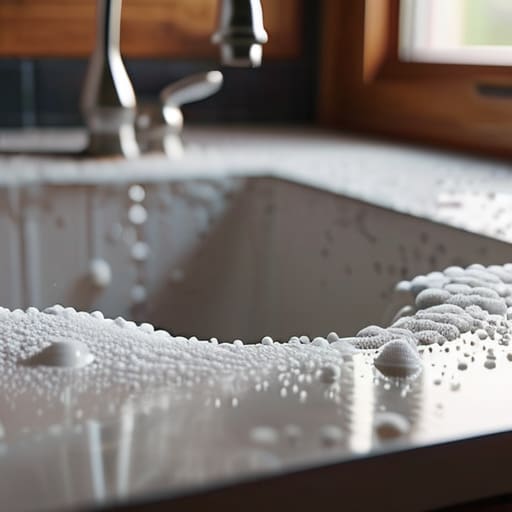
Now, I’ve seen plenty of folks reach for the heavy-duty chemical liquids first, but in my experience, that’s often a mistake. Those caustic cleaners can be a bit too aggressive on older copper piping, which you’ll find in many of the mid-Victorian terraces around here. I usually suggest starting with a baking soda and vinegar drain cleaner approach instead. It’s a gentle bit of chemistry that works well enough on organic buildup without eating through your plumbing. I tried this myself last Tuesday after the tea leaves from the morning brew decided to settle in the U-bend. You pour the soda in first, let it sit for a few minutes, then hit it with the vinegar. It fizzes like a school science experiment, but it’s a decent way to tackle slow draining sink remedies before things get serious.
If the fizzing doesn’t do the trick, you’re likely looking at a more stubborn blockage. At that stage, you might need to get your hands dirty and consider cleaning a P-trap manually. It’s not the most pleasant job—I’ve spent enough time on my knees in damp kitchens to know the feeling—but it is often the only way to clear a real obstruction. Just make sure you have a bucket underneath first; nobody wants a surprise puddle on their linoleum.
Getting Your Hands Dirty Cleaning a P Trap Without the Mess
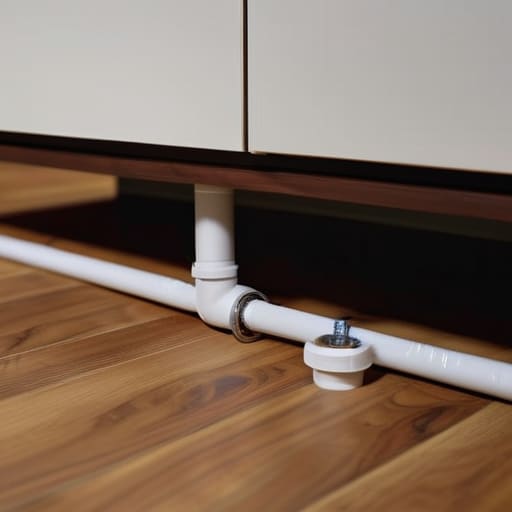
Now, if that baking soda and vinegar business hasn’t done the trick, you’ve likely reached the point where you need to get under the cupboard. I remember a cottage near Sevenhampton back in ’94 where the owner tried to fix a blockage with nothing but a coat hanger; he ended up with a kitchen floor that looked like a swamp. Before you reach for the heavy-duty chemicals, you should try cleaning a P-trap manually. It’s the U-shaped pipe just below your drain, and it’s designed to hold a bit of water to stop smells, but it’s also the perfect trap for hair, grease, and the occasional stray bit of vegetable peel.
You don’t need a massive kit of professional plumbing tools for drains to do this, just a bucket and perhaps a pair of sturdy gloves. Place the bucket directly under the bend to catch whatever sludge decides to make an appearance once you loosen the slip nuts. I’ve found that most people struggle because they don’t steady the pipes above the trap while turning the nut, which can put unnecessary strain on the older copper joints. Once the trap is off, give it a good rinse in a different sink or even a garden bucket. It’s a bit grim, I’ll grant you, but it’s far more effective than any liquid you’ll buy in a supermarket.
A bit of common sense before you call the plumber
- Stop pouring boiling water down the drain if you have plastic or PVC pipes; I’ve seen enough warped joints in old cottages to know that a sudden heat shock can do more harm than good.
- Keep a small mesh strainer in the sink at all times, especially if you’re washing up after a Sunday roast; it’s much easier to empty a bit of debris into the bin than it is to clear a clog of fat and veg scraps.
- Don’t go buying those heavy-duty chemical drain unblockers straight away; they are incredibly harsh on older lead or thin copper plumbing, and if they don’t work, you’re just left with a sink full of caustic liquid that’s dangerous to touch.
- If you’re using a plunger, make sure there is enough water in the sink to cover the rubber cup; you need that seal to create the suction, otherwise you’re just moving air around and getting nowhere.
- If you find yourself unblocking the same sink every fortnight, you likely have a build-up of grease in the pipes further down the line, so it’s worth a periodic flush with plenty of hot, soapy water to keep things moving.
A Few Final Bits of Advice
Don’t go straight for the heavy-duty chemical cleaners; they’re hard on old pipes and often just delay the inevitable.
If you’re going under the sink, keep a bucket and a rag handy—I’ve learned the hard way that even a clean-looking trap holds a nasty surprise.
If the blockage won’t budge after a proper clean of the trap, it’s likely further down the stack, and that’s when you stop tinkering and call in a professional.
A Bit of Hard-Won Wisdom
I’ve seen many a fine Victorian kitchen ruined because someone thought a heavy-handed dose of chemical cleaner was a substitute for actually getting their hands under the sink and seeing what the problem was.
Gordon Ellery
A Final Word Before You Dry Off
If you have followed these steps, you should now have a drain that flows as freely as the stream behind the old mill. We have covered everything from the gentle chemistry of baking soda and vinegar to the more direct, albeit slightly more unpleasant, business of getting your hands inside the P-trap. It is worth remembering that most blockages are simply a matter of neglect rather than catastrophe. Whether it was a buildup of soap scum or a stray bit of kitchen debris, the key is to act before the water starts backing up into your basin. If you have reached the point where you are staring at a standing pool of grey water and none of these methods have worked, then it is time to stop tinkering and call in a professional plumber before you cause any real damage to your plumbing.
At the end of the day, keeping a home running well isn’t about having the fanciest gadgets or a brand-new kitchen; it is about the quiet satisfaction of maintenance. There is a certain dignity in knowing how your own house works, from the age of the timber beams to the way the pipes run beneath the floorboards. Don’t let a clogged sink make you feel defeated. Instead, take it as a small lesson in how to look after what you have. Once the water is draining and the tools are put away, you might find that the house feels a little more like home.
Frequently Asked Questions
If I’ve tried the vinegar and the trap cleaning and the water still isn't moving, is it time to call a professional or is there something deeper in the pipes?
If the trap is clear and the vinegar hasn’t budged the blockage, you’re likely looking at something further down the stack. I’ve seen plenty of cases where a clog has settled in the main branch pipe, often due to old grease or even tree roots if you’re in an older cottage. Don’t go forcing a heavy-duty plunger down there; you might just pop a joint. At this stage, it’s time to call a plumber.
Are those harsh chemical drain cleaners actually safe for the old lead or iron piping you find in some of the older cottages around here?
I wouldn’t touch them with a bargepole. I’ve valued enough mid-Victorian cottages in this parish to know that those old lead pipes and cast iron stacks aren’t built for modern chemical warfare. Those caustic liquids generate heat that can actually soften old joints or eat through thin, corroded metal. If you’ve got an older property, stick to the plunger or the manual cleaning I mentioned; it’s far kinder to your plumbing.
Once I've finally got the sink draining properly, what's the best way to stop the grease and food scraps from building up again in the first place?
Now that the water is actually flowing, the trick is to stop the problem before it starts. I’ve seen enough clogged pipes in old Victorian terraces to know that grease is the real enemy; never pour anything oily down that drain, even if you think hot water will wash it away. A simple mesh strainer goes a long way, and once a week, pour a kettle of boiling water down there just to keep things moving.