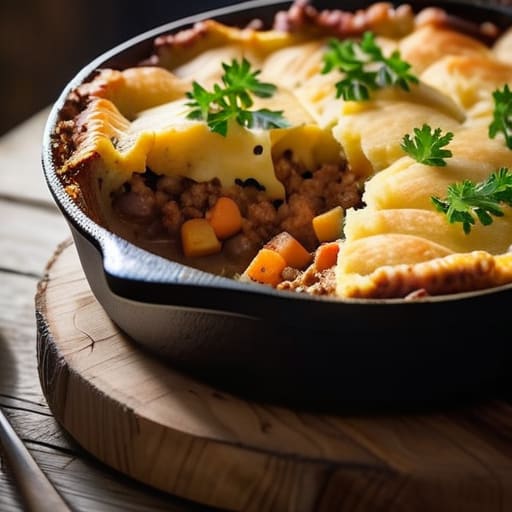
You don’t need a collection of exotic spices or a degree in culinary arts to master a proper midweek meal; in fact, I’ve found that most recipes online make things far more complicated than they need to be. People spend far too much time worrying about reducing expensive red wines or sourcing organic shallots when the real secret to how to make a cottage pie lies in the quality of the mince and a bit of patience with the gravy. I remember my late wife, Margaret, used to say that if the mash wasn’t thick enough to stand a spoon up in, you hadn’t done the job right, and she was dead right about that.
I’m not here to give you a list of fancy garnishes that just end up in the bin. What I want to share is the straightforward, no-nonsense method I’ve used for years to feed a hungry family without breaking the bank or spending three hours at the stove. I’ll show you how to get the meat browned properly and how to ensure that crust is just the right amount of golden, because real food should be about sustenance and warmth, not showmanship.
Table of Contents
- Recipe Instructions
- Beef Mince Cooking Tips for a Proper Savory Gravy Base
- The Best Potatoes for Mashing and Adding Vegetables to Mince Filling
- A Few Bits I’ve Learned the Hard Way
- A Few Final Thoughts Before You Start
- A Bit of Common Sense in the Kitchen
- A Final Word Before You Get to the Oven
- Frequently Asked Questions
Recipe Details
Ingredients
- 500g ground beef
- 1kg potatoes, peeled and chopped
- 1 large onion, finely diced
- 2 carrots, diced
- 2 cloves garlic, minced
- 50g butter
- 100ml milk
- 2 tablespoons tomato paste
- 300ml beef stock
- 1 teaspoon dried thyme
- Salt and pepper to taste
Recipe Instructions
Step 1
Start by getting a heavy-bottomed pan on the hob—something with a bit of weight to it, like the cast iron ones my mother used to keep in the pantry. Brown about 500g of minced beef in a little oil or dripping. You aren’t just warming it through; you want it to actually colour up in the pan, as that’s where the flavour hides. Once it’s looking dark and rich, scoop the meat out and set it aside on a plate.
Step 2
Don’t bother washing the pan; that bit of fat is gold. Throw in a finely diced onion and a couple of carrots—the ones from the garden if you’ve got them—and cook them down until they’re soft. If you’re feeling particularly thorough, add a bit of celery, but don’t go overboard. You want the vegetables to be soft enough to yield to a spoon, not crunchy like you’re eating a salad.
Step 3
Put the meat back into the pan with the vegetables and stir in a tablespoon of flour. Let it cook for a minute so you don’t get that raw flour taste, then slowly pour in about 400ml of beef stock. If you have a splash of Worcestershire sauce in the cupboard, add it now. Let it simmer gently for about twenty minutes until the sauce has thickened into a proper gravy. It should be thick enough to coat the back of a wooden spoon without running off like water.
Step 4
While that’s bubbling away, get your potatoes ready. I prefer Maris Piper or King Edward; they have the right starch content for a decent mash. Peel them, chop them into even chunks, and boil them in salted water until they’re tender. Drain them well—this is vital, because watery mash is the quickest way to ruin a good pie. Mash them with a good knob of butter and a splash of milk until they are smooth but still have some character.
Step 5
Now, tip the meat mixture into a small ovenproof dish. Spread the mash over the top, smoothing it out towards the edges to create a sort of seal. Take a fork and draw some lines or ridges through the surface; those little peaks will catch the heat and get lovely and crisp. Pop it in a preheated oven at 200°C for about 20 to 25 minutes. You’re looking for those golden, toasted ridges on top that tell you it’s ready to serve.
Beef Mince Cooking Tips for a Proper Savory Gravy Base

Now, if you want to get that savory gravy base right, you have to stop treating the mince like a chore and start treating it like the foundation of the whole house. I spent years looking at property, and I can tell you, a bad foundation ruins everything. When you’re browning your beef, don’t just throw it in the pan and stir it into a grey mush. You want to let it sit in the heat until it actually browns. That’s where the flavour lives. If you’re using a leaner mince, don’t be afraid of a bit of butter or even a splash of beef stock halfway through; it keeps the meat from turning into something resembling old boot leather.
I’ve seen plenty of people try to rush the process by adding vegetables to mince filling too early. If you toss your carrots and onions in while the meat is still boiling in its own juices, they’ll turn to nothing. Give the meat its time first. It’s a bit like restoring a dry stone wall—you can’t rush the heavy lifting if you want it to stand straight. Once you have that deep, dark colour in the pan, you know you’re on the right track for a proper bit of traditional British comfort food.
The Best Potatoes for Mashing and Adding Vegetables to Mince Filling
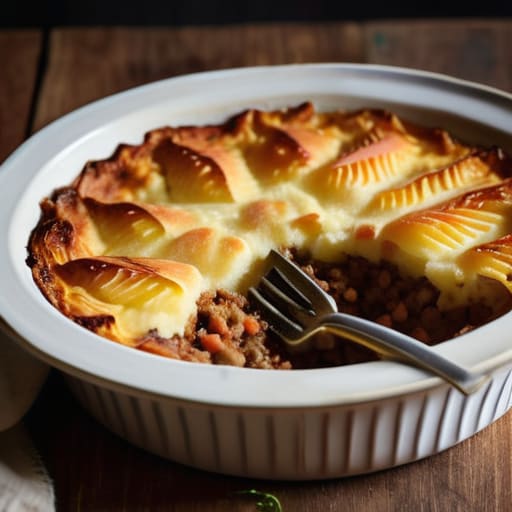
When it comes to the topping, don’t go reaching for those pre-packaged, instant flakes. If you want a proper crust, you need to know the best potatoes for mashing, and for me, that’s always been a King Edward or a Maris Piper. I remember my old mentor, a man who could tell a damp foundation from a mile away, always saying that texture is everything. You want a floury potato that holds its shape just enough to let you fork some ridges on top; those ridges catch the heat in the oven and turn a lovely, golden brown.
As for the filling, I’ve always found that adding vegetables to mince filling is where you can really make the dish your own. A handful of diced carrots or a bit of leek—plenty of leek, actually—adds a sweetness that balances the salt of the beef. It’s a bit like restoring an old dry stone wall; you have to pick the right pieces to make the whole structure solid. Whether you’re adding peas or a bit of swede, just ensure they aren’t so watery that they ruin your savory gravy base.
A Few Bits I’ve Learned the Hard Way
- Don’t go skimping on the beef stock. If you use those little cubes that taste like salt and disappointment, you’ve wasted your time. Get a proper liquid stock; it’s what gives the mince that deep, dark colour that makes a pie look like it’s worth eating.
- Give the mash a bit of a ridge with your fork before it goes in the oven. If you smooth it over perfectly flat, you lose those little crags that catch the heat and turn golden and crispy. I’ve spent forty years looking at textures, and a flat pie is a boring pie.
- Watch your onions. If you rush them, they stay crunchy and bite back at you halfway through the meal. Give them ten minutes in the pan until they’re soft and translucent—that’s where the sweetness comes from, not from adding sugar.
- If you find your filling is looking a bit thin or watery, don’t just keep boiling it. A spoonful of tomato purée or a tiny bit of flour stirred into the fat will bind it all together so you don’t end up with a puddle of gravy at the bottom of your bowl.
- Let the pie sit for five minutes after it comes out of the oven. I know, it’s tempting to dive in, but if you cut into it immediately, the whole thing will slump like a poorly built garden wall. Let it settle so the layers stay where they belong.
A Few Final Thoughts Before You Start
Don’t go skimping on the fat when you’re browning the mince; that’s where the flavour lives, and it’s what prevents the whole dish from tasting like cardboard.
If you’re using a heavy ceramic dish, remember it holds heat much longer than a tin, so pull it out of the oven a minute or two early to avoid a crust that’s harder than a flint wall.
A bit of extra onion or a splash of Worcestershire sauce goes a long way, but don’t feel you need to buy the expensive stuff—the local shop’s basic brand does the job just fine.
A Bit of Common Sense in the Kitchen
You don’t need a culinary degree to get this right; you just need to remember that a cottage pie is meant to be a warm weight in your stomach on a Tuesday night, not a delicate piece of art. If your gravy is thin or your mash is watery, you’ve missed the point entirely.
Gordon Ellery
A Final Word Before You Get to the Oven
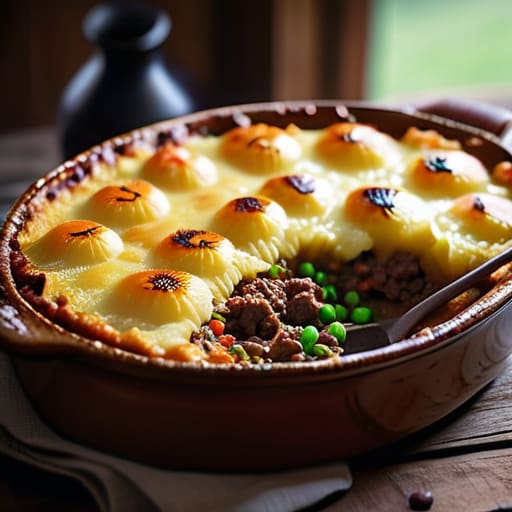
At the end of the day, a good cottage pie doesn’t require a culinary degree or a kitchen full of expensive gadgets. It just requires a bit of patience with the mince to get that gravy right, a decent floury potato that won’t turn into glue, and enough vegetables to ensure no one complains about their greens. If you’ve followed the steps, you’ll have a base that is thick enough to hold its own and a mash that stays peaked and golden under the heat. It isn’t about being fancy; it is about getting the fundamentals right so that the dish stands up to a hungry family.
I’ve spent many years walking through houses, from the flint-walled cottages near Salisbury to the newer builds out towards the edge of the Mendips, and I have found that the best homes aren’t defined by their period features or their square footage. They are defined by the smell of something decent cooking in the kitchen on a Tuesday evening when the rain is hitting the windowpanes. A proper cottage pie is more than just a recipe; it is a way of making a house feel like a home. So, get it out of the oven, sit down at the table, and enjoy the quiet satisfaction of a meal that was actually made with care.
Frequently Asked Questions
Can I use leftover roast beef instead of mince if I've got a bit of Sunday roast sitting in the fridge?
You certainly can, though it’s a different beast entirely. If you’ve got a bit of leftover brisket or topside from Sunday, don’t just chop it; shred it with two forks. It won’t give you that uniform mince texture, but it makes for a much more substantial, rustic pie. Just be careful not to overcook it in the gravy, or you’ll end up with something that looks more like a stew than a proper cottage pie.
What’s the best way to stop the potato topping from cracking or looking a bit parched in the oven?
The trick is to keep the moisture in. I’ve seen too many pies come out looking like a dried-up riverbed after twenty minutes in the oven. First, make sure you’ve used enough butter and a splash of milk when mashing; a dry mash is a doomed mash. Once it’s in the dish, run a fork around the edges to create little ridges—they catch the heat and turn golden without the centre cracking.
Is it worth adding a splash of stout or ale to the gravy, or does that just make it too heavy for a Tuesday night?
Now, if it’s a Tuesday, I’d leave the stout in the glass. A heavy stout can sit in your stomach like a bag of wet cement, and nobody wants that before a Wednesday morning. If you’re looking for a bit of depth without the weight, a small splash of a decent, malty ale works wonders. It adds a bit of character to the gravy without making the whole dish feel like a Sunday roast.