People will tell you that you need a laboratory setup or some expensive, imported spice kit to master the art of preserving, but that’s a load of rubbish. I spent forty years inspecting foundations and structural integrity; I know when something is built on a shaky premise, and the idea that you need more than a bit of vinegar and patience to learn how to pickle onions is one of them. I remember my first attempt back in the late eighties—I’d overcomplicated the brine so much it tasted more like a chemist’s workshop than a pantry staple. It took a few failed jars and a lot of wasted red onions to realise that the simplest method is almost always the one that actually works.
I’m not here to give you a list of fancy ingredients you can’t find at the local Co-op. Instead, I’m going to walk you through the exact process I use in my own kitchen, from selecting the right onion to getting that perfect, sharp crunch. I’ll show you how to avoid the common mistake of ending up with a jar of soggy, grey mush. This is about honest, reliable results that will sit happily on your table alongside a bit of local cheddar.
Table of Contents
Recipe Details
Ingredients
- 1 large red onion, thinly sliced
- 1/2 cup apple cider vinegar
- 1/2 cup water
- 1 tablespoon sugar
- 1.5 teaspoons salt
- 1 clove garlic, smashed
Recipe Instructions
Step 1
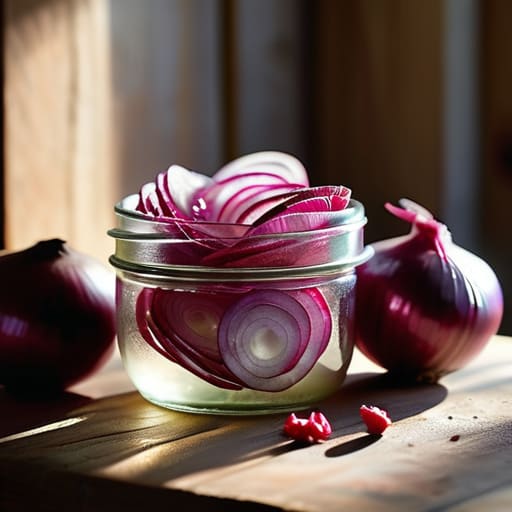
First things first, you’ll need a couple of large red onions—the ones from the market stall, not those pale, watery things from the supermarket. Peel them and slice them into rings about half a centimetre thick. If you slice them too thin, they’ll disappear into nothing once the vinegar hits them, and if you go too thick, you’ll be chewing on raw onion for the rest of the week.
Step 2
Get a small saucepan and mix together one part white vinegar, one part sugar, and a healthy pinch of salt. I usually add a teaspoon of peppercorns and a bay leaf if I’ve got them in the cupboard. Set it over a medium heat and stir it just until the sugar has completely dissolved; you don’t want to boil it into a syrup, you just want it integrated.
Step 3
Pack your sliced onions into clean glass jars. I’ve found that old jam jars work perfectly well, provided you’ve given them a proper wash in hot soapy water first. Don’t cram them in too tight, though; they need a bit of breathing room to let the liquid circulate.
Step 4
Once your vinegar mixture is hot, pour it slowly over the onions in the jars. Make sure the liquid covers the onions entirely—if there’s a stray bit of onion poking out above the surface, it’s liable to go off, and nobody wants that in their pantry.
Step 5
Leave the jars on the kitchen counter to cool down completely before you pop the lids on. Once they’re cold, tuck them into the back of the fridge. You can eat them the next day, but if you have the patience to let them sit for at least forty-eight hours, the flavour settles into something much more civilized.
Finding the Best Vinegar for Pickling Your Harvest
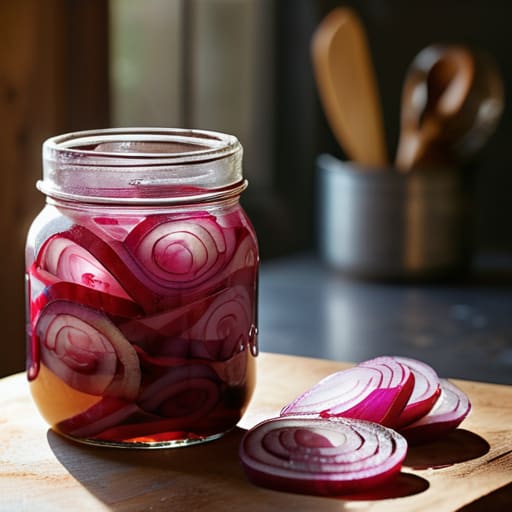
Now, don’t go thinking any old bottle from the back of the cupboard will do. I remember my mother using a sharp cider vinegar that had a bit of a bite to it, which worked wonders for the heavy Sunday roasts. If you are looking for the best vinegar for pickling, you generally want something with at least 5% acidity to keep things safe. Apple cider vinegar is a fine choice if you want something a bit softer and fruitier, but if you’re after those classic, sharp sweet and tangy pickled onions that cut right through a bit of fatty pork, a good old-fashioned white distilled vinegar or a malt vinegar is your best bet.
I’ve found that if you use a red onion, the colour of the liquid changes quite dramatically—it turns a lovely, deep magenta that looks much more professional than it actually is. If you’re using a quick pickled onions method where you aren’t boiling the brine for long, the quality of your vinegar matters even more because there’s nowhere for a poor flavour to hide. Just a tip from someone who has wasted a few jars: if you add a pinch of sugar to the mix, it helps balance that sharp edge without making it taste like jam.
The Quick Pickled Onions Method for Busy Evenings
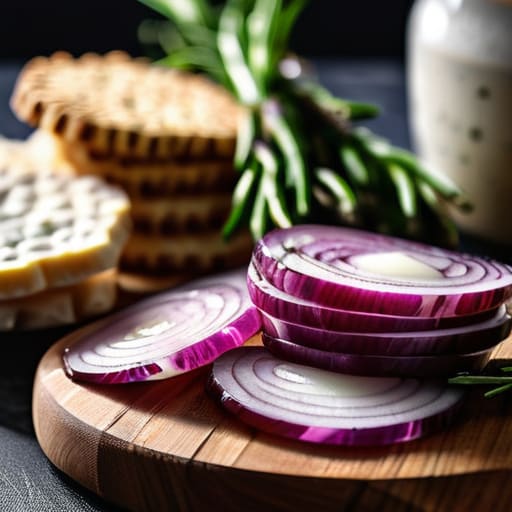
Now, I know what you’re thinking. You’ve looked at the traditional method and decided you haven’t got the patience for waiting weeks for a jar to mature. I’ve been there myself, usually after a particularly long parish council meeting where the debates over the new bypass went on far longer than anyone intended. If you are short on time, the quick pickled onions method is your best friend. By using a slightly higher ratio of sugar to vinegar and ensuring your brine is boiling hot when it hits the jars, you can have these ready to go on a cheese board by tomorrow evening.
I’ve found that if you use red onions for this, the color bleeds into the liquid beautifully, creating a vibrant red onion pickling liquid that looks quite professional in a small mason jar. For a bit of extra character, I usually toss in a few peppercorns or a bay leaf I’ve plucked from the garden. It’s a simple way to get those sweet and tangy pickled onions without needing to plan your life months in advance. Just remember, because they haven’t sat in a cellar for a season, they won’t last quite as long in the cupboard as the traditional batch.
A Few Lessons from My Own Kitchen Counter
- Don’t bother with the tiny, expensive shallots if you’re in a hurry; a good, firm red onion from the local market will do the job just fine, provided you peel them properly.
- If you find yourself with onions that are a bit soft, leave them in a bowl of ice water for twenty minutes before you start slicing; it firms them up and keeps that satisfying crunch.
- I’ve learned the hard way that if you don’t sterilise your jars in boiling water first, you’re essentially inviting mould to dinner, and that’s a waste of a perfectly good harvest.
- Be careful with the peppercorns; a little goes a long way, and if you go too heavy-handed, you’ll find yourself eating a jar of spice rather than a jar of onion.
- Give them patience. I know it’s tempting to crack a jar open the next morning, but those flavours need at least three or four days in the larder to actually settle into the onion.
A Few Final Thoughts Before You Start
Don’t go skimping on the vinegar; if you use a cheap, watered-down sort, you’ll find your onions taste more like nothing than they do like a proper pickle.
If you’re using those small red onions from the allotment, keep them whole if you can—it keeps them from turning into a mushy mess in the jar.
Patience is part of the process, much like waiting for a damp wall to dry; let them sit in the cupboard for at least a week so the brine actually gets to know the onion.
A Matter of Patience
I’ve spent thirty years looking at the foundations of old cottages, and if there’s one thing a surveyor learns, it’s that you can’t rush the settling process; pickling is no different, because if you try to eat those onions before the vinegar has actually done its work, you’re just eating raw vegetables in a salty bath.
Gordon Ellery
A Final Word on the Jar
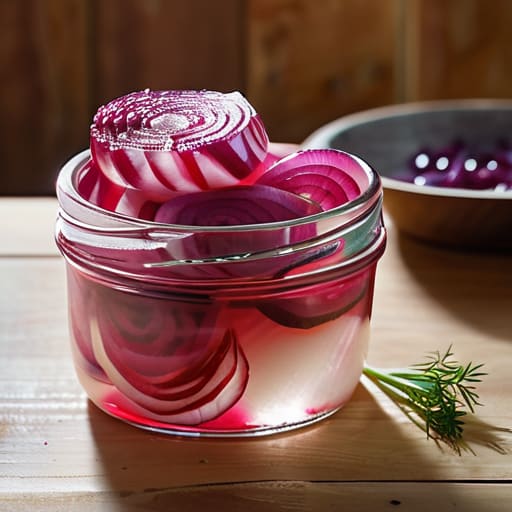
Whether you have opted for the quick method for a Tuesday night supper or you have gone the long way with a proper, slow-steeping brine, the principle remains the same. It comes down to the quality of your starting materials—be it a sharp, reliable cider vinegar or those small, firm red onions you picked up from the farm stall down the lane. Remember that patience is your most important tool; if you try to rush the process by opening the lid too soon, you’ll find the texture lacks that essential, crisp snap we are all looking for. Keep your jars clean, your measurements precise, and don’t be afraid to adjust the sugar if the onions are particularly pungent.
At the end of the day, pickling is about more than just preserving a bit of garden surplus for the winter months. It is about that quiet satisfaction of looking into your larder and seeing something you made with your own two hands, ready to brighten up a plate when the weather turns grey. There is a certain comfort in knowing that while the seasons change and the village settles in for the frost, you have a bit of summer brightness tucked away in a glass jar. It is these small, domestic victories that make a house feel like a home, and I hope these onions bring as much flavour to your table as they have to mine.
Frequently Asked Questions
Can I use those little red onions from the garden, or do I need to stick to the large ones from the shop?
You can certainly use the little red ones from the garden. In fact, I’d prefer them. I remember a smallholding near Salisbury back in ’88 that grew onions no bigger than marbles, and they made the finest pickles I’ve ever tasted. The shop-bought ones are often too large and watery, meaning you spend half your time slicing. Those garden varieties hold their shape better in the jar, though you might need a slightly smaller spoon.
How long do I really need to wait before I can actually eat them, or is it better to let them sit for a week?
Now, if you’re looking for a quick snack, you can technically nibble one after about twenty-four hours, but I wouldn’t recommend it. At that stage, they’re just onions with a bit of a sting. For the best results—the kind where the vinegar has actually settled into the layers—you really ought to give them a full week in the pantry. Patience is like a well-laid dry stone wall; it takes time to set properly.
If I find the vinegar too sharp, is there a way to mellow it out without ruining the whole jar?
If you’ve gone a bit heavy-handed with the vinegar and the jar tastes more like a cleaning product than a condiment, don’t toss it. I’ve made that mistake myself. The easiest fix is to balance the acidity with a touch of sweetness; stir in a teaspoon of honey or caster sugar. If it’s still too sharp, let them sit in the cupboard for another week. Time usually rounds off those aggressive edges.