I was standing in the aisle of the supermarket last Tuesday, staring at a pile of pale, watery tomatoes that looked like they’d been harvested in a different hemisphere entirely, and I couldn’t help but huff. It’s a bit of a joke, isn’t it? We’re told we can have anything, anytime, but most of what passes for seasonal vegetables in Britain these days is just overpriced, tasteless filler flown in from thousands of miles away. I’ve spent thirty years valuing properties, and I know a shoddy build when I see one; the same goes for your dinner plate. If it hasn’t seen a bit of our own grey sky and soil, it isn’t worth the coins in your pocket.
I’m not here to give you any of that fancy, lifestyle-magazine nonsense about “superfoods” or complicated recipes you’ll never actually make. Instead, I’m going to tell you exactly what is worth buying right now, from the local greengrocer’s stall to the village market, and why it matters. I’ll give you the straight facts on what’s actually in season, so you can stop wasting money on rubbish and start eating things that actually taste like they belong in our gardens.
Table of Contents
- Decoding the British Harvest Calendar for Your Kitchen
- The Real Benefits of Eating Locally Grown Food
- A few practical ways to get the most out of your local veg
- A few things to keep in mind before your next shop
- [The real cost of a supermarket tomato]
- A final thought on the local larder
- Frequently Asked Questions
Decoding the British Harvest Calendar for Your Kitchen

If you try to follow one of those glossy, over-complicated uk vegetable seasonality charts you see in the supermarkets, you’ll likely end up frustrated and hungry. Most of them are designed for people who want a bit of everything, all year round, regardless of whether the sun is actually shining. I’ve always found it better to just look out the window. If the frost is settling on the brambles in November, you aren’t going to find a decent, sweet tomato in the local shop, no matter what the sticker says.
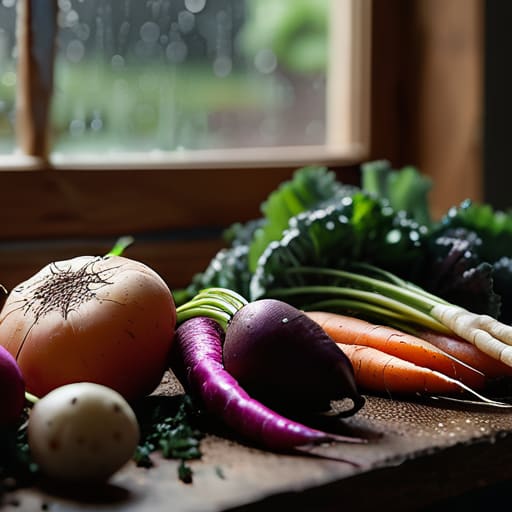
Real eating is about timing. There is a particular satisfaction in knowing that when the brassicas arrive in late autumn, they’ve only travelled a few miles from a field you likely drove past on your way to the post office. This is the heart of the british harvest calendar—understanding that a parsnip pulled from the cold earth in February has a sweetness that a supermarket variety simply cannot mimic. It isn’t about being a gourmet; it’s about respecting the rhythm of the soil and knowing that nature doesn’t rush for anyone.
The Real Benefits of Eating Locally Grown Food
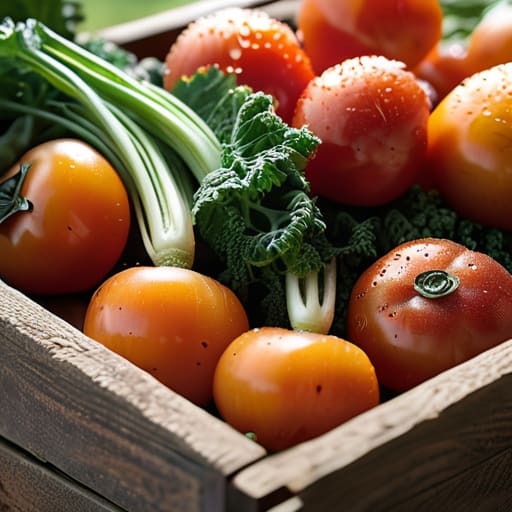
I’ve spent enough years walking the boundaries of local allotments and farm lanes to know that there is a profound difference between a supermarket tomato and one that has actually sat in the sun. When you opt for the benefits of eating locally grown food, you aren’t just getting better flavour; you are supporting the very fabric of our rural economy. I remember a small holding just down the lane from the old mill—built, I believe, around 1840—where the grower knew exactly when the frost would hit the brassicas. That kind of precision ensures you get produce at its peak, rather than something that has spent three days in a refrigerated lorry.
There is also the matter of the environment, though I prefer to look at it through the lens of common sense. Choosing a low carbon footprint eating habit is really just about reducing unnecessary fuss. Why should a cabbage travel two thousand miles when it could have come from the field ten miles down the B3021? It keeps the food fresher and ensures that the money stays in the pockets of the people who actually work the land, rather than vanishing into some corporate headquarters in London.
A few practical ways to get the most out of your local veg
- Don’t be afraid of the odd-looking specimen; I’ve seen carrots with two legs and parsnips that look like they’ve been through a hedge backwards, but they taste just as sweet as the perfect ones you see in the supermarket.
- Visit the farmers’ markets when they’re actually running, like the one over in Salisbury on a Tuesday, rather than relying on the local Co-op which tends to stock the same tired stuff all year round.
- Learn to embrace the root vegetables in the colder months; when the frost hits the ground in November, things like swedes and turnips become your best friends for a proper, filling stew.
- Buy in bulk when the harvest is at its peak, particularly for things like onions or potatoes, and keep them in a cool, dark place—ideally a larder or a shed—to make them last until the next season rolls around.
- Check the labels carefully or, better yet, ask the person behind the stall where the veg actually came from; if they can’t tell you the name of the farm or at least the county, I’d leave it on the shelf.
A few things to keep in mind before your next shop
Don’t be surprised when the shelves look a bit thin in February; it’s just nature doing its job, and that’s when you’ll find the best root vegetables like parsnips and carrots, which have been soaking up the soil nutrients all autumn.
If you want the best value, skip the supermarket aisles and head to the local market or a farm gate stall, where the produce hasn’t been sitting in a refrigerated lorry for three days straight.
Eating with the seasons isn’t about being fancy or following a trend; it’s simply about buying what is actually ready to be picked, which usually means it tastes better and costs less.
[The real cost of a supermarket tomato]
[I’ve spent thirty years looking at the foundations of houses, and I know a thing or two about what holds a structure together; it’s the same with a proper meal. You can buy a tomato in February that looks perfectly fine on a shelf, but it’s got no soul and even less flavour. If you want something that actually tastes of the earth, you wait for the August sun to do its work on a British vine.]
Gordon Ellery
A final thought on the local larder
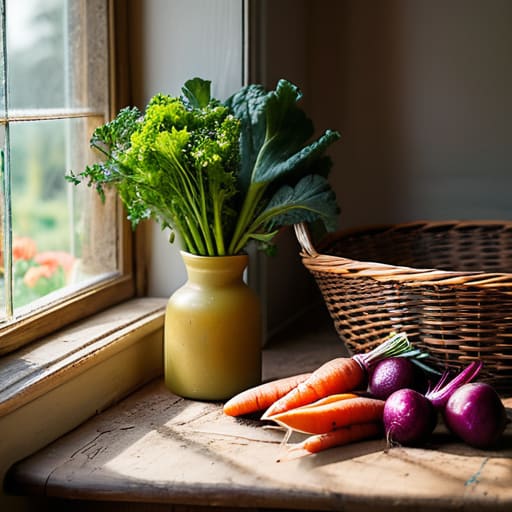
At the end of the day, sticking to the seasons isn’t about following a complicated set of rules or being particularly trendy. It is simply about acknowledging that the land has its own rhythm, much like the way the frost settles on the valley floor in late November. We have looked at how the harvest calendar dictates what reaches your plate, and why that short journey from a field in Wiltshire to your kitchen table makes a world of difference to the flavour. When you stop fighting the calendar and start working with it, you find that eating well becomes much simpler and, more importantly, far more affordable than chasing out-of-season imports that have spent more time in a shipping container than in the ground.
I often think that as we lose our connection to the soil, we lose a bit of our connection to the community itself. Every time you choose a punnet of strawberries from the farm shop instead of a plastic tub from the supermarket, you are casting a vote for the survival of our local landscape. It is a small thing, really—no more significant than checking a roof tile or ensuring a hedge is trimmed—but it matters. Let’s make a point of supporting the people who feed us and keeping our local traditions alive. After all, a village is only as strong as the connections we maintain with the world just outside our front gates.
Frequently Asked Questions
If the weather has been particularly wet this spring, how much should I expect the price of my usual greens to jump at the local market?
If we’ve had a sodden spring—and God knows we have lately—don’t expect much mercy at the market stalls. When the fields turn to soup, the growers lose half their crop to rot before it even sees the light. I’ve seen cabbage prices climb by thirty or forty percent when the rain won’t quit. It isn’t greed; it’s just that fewer heads are making it to the crates, and scarcity always bites the pocket.
Are there any specific ways to store root vegetables like carrots or parsnips so they don't go soft before the next harvest?
If you’ve pulled a good batch of carrots or parsnips from the allotment, don’t just toss them in a plastic bag. I’ve seen too many people end up with a bag of mush by mid-February. The trick is to keep them dry and out of the light. Get them into a dark, cool spot—a vegetable drawer or even a cellar if you have one—and if they’re loose, a layer of dry sand helps immensely.
Which local farm shops are actually worth the extra drive if I'm looking for something more interesting than just potatoes and onions?
If you’re looking to get past the basic staples, skip the supermarket run and head over to Miller’s at the edge of the valley; their heritage carrots and purple sprouting broccoli are worth the twenty-minute drive alone. Also, keep an eye on the stall at the Saturday market in Highclere. It’s a bit of a trek, but their seasonal preserves and heirloom tomatoes actually taste of something. Just mind the lane on the way back; it’s narrow.