I was standing in the kitchen last Tuesday, staring at a single, lonely potato and a tin of beans, wondering how I’d let the week get away from me again. It’s a familiar feeling, isn’t it? You start Monday with the best of intentions, but by the time the evening chill sets in and the dampness from the garden starts creeping into your bones, the last thing anyone wants to do is stand over a hot stove for an hour. I’ve seen plenty of those glossy magazines claim that learning how to batch cook for the week requires a kitchen full of expensive glass containers and a degree in nutrition, but that’s a load of rubbish.
I’m not here to sell you on some complicated lifestyle overhaul or fancy gadgets you’ll only use once. What I want to share is a bit of practical, common-sense wisdom gathered from years of avoiding the takeaway menu when the weather turns foul. I’ll show you how to make a few decent pots on a Sunday afternoon so that your midweek self can actually sit down and enjoy a proper meal. No fluff, no fuss—just straightforward methods that work for real people with busy lives.
Table of Contents
Budget Friendly Meal Planning That Actually Feeds a Family
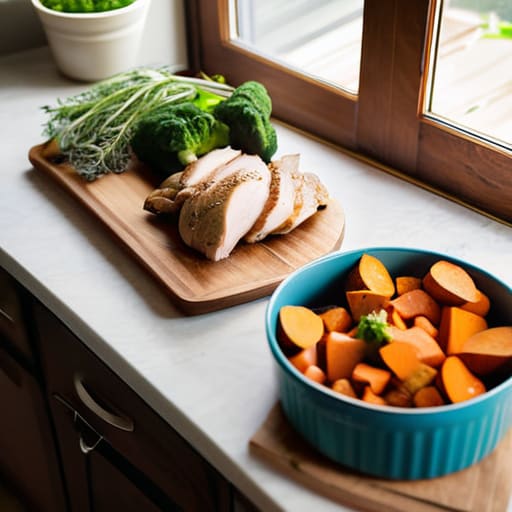
When I was valuing properties in the mid-eighties, a well-stocked larder was often a sign of a sensible household, and I find that principle holds true today. You don’t need a gourmet budget to eat well; you just need a bit of foresight. I’ve found that budget friendly meal planning starts with looking at what’s actually on sale at the local butcher or the Co-op before you even set foot in the aisle. If chicken thighs are a bargain this week, you build your week around them. It’s much easier on the pocket than wandering the aisles on a Wednesday evening, hoping a frozen pizza will suffice.
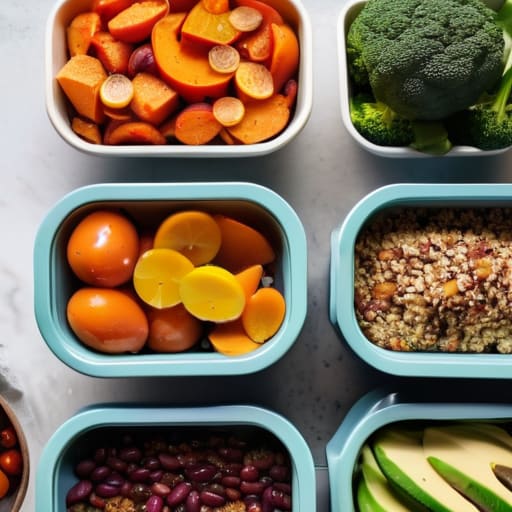
Once you have your ingredients, the trick is to avoid the trap of making one massive, uninspiring pot of something. I prefer to cook components—a large tray of roasted root vegetables, a batch of seasoned mince, or a big pot of lentils. Using proper meal prep containers for freezing allows you to divide these into smaller, manageable portions. This way, you aren’t just eating leftovers; you are assembling fresh meals in minutes, which keeps the family from reaching for the takeaway menu when the rain starts hitting the windows.
Time Saving Kitchen Hacks for the Tired Worker
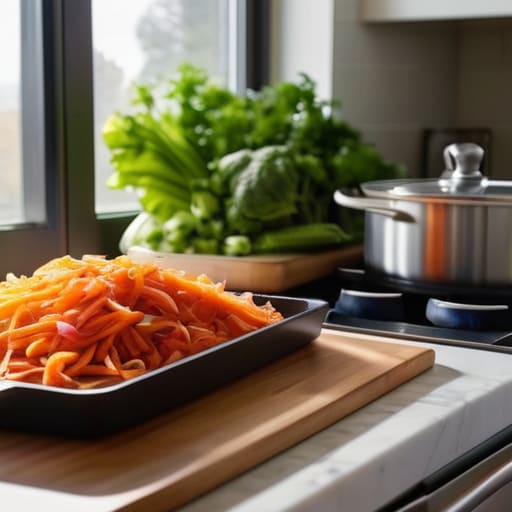
If you’re coming home after a long shift, the last thing you want to do is face a sink full of washing up and a pile of chopping. I’ve found that the best time saving kitchen hacks usually happen before you even turn the stove on. If I’m tackling a large batch of bolognese or a lentil dahl, I don’t chop one onion at a time. I chop five, toss the extras into a container, and get on with it. It’s much like my old surveying days; if you’re going to be out on a site all day, you make sure you’ve got all your tools laid out properly before you start.
Once the cooking is done, the real work begins. Don’t just let everything sit in one massive pot in the fridge, or you’ll find yourself eating the same thing three days running. Invest in some decent meal prep containers for freezing—the glass ones are better for the oven, but the sturdy plastic ones are fine for the freezer. Dividing things up into individual portions from the start means you aren’t wrestling with a heavy lid on a Thursday night when you’re nothing but exhausted.
Five Practical Ways to Keep Your Kitchen from Becoming a Battlefield
- Don’t try to cook five different meals at once. I’ve seen people attempt it, and they end up with a kitchen that looks like a demolition site and nothing edible to show for it. Pick two or three versatile bases—a large pot of bolognese or a tray of roasted vegetables—and change the flavouring halfway through the week. It keeps the washing up manageable.
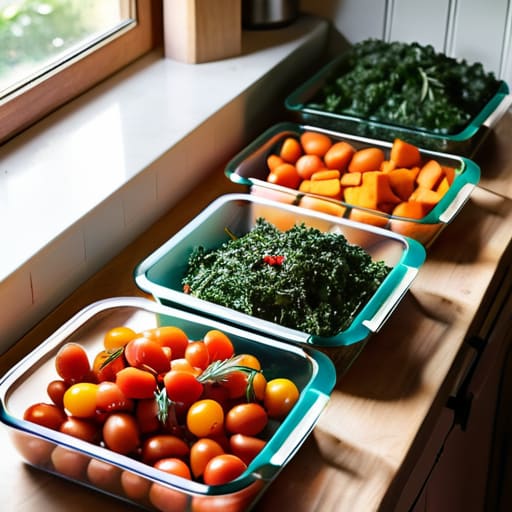
- Invest in decent, stackable glass containers. I spent thirty years looking at kitchen extensions that were far too small for the amount of clutter they held; the same applies to your fridge. If you use mismatched plastic tubs, you’ll spend more time playing Tetris than actually eating.
- Use your oven’s capacity, not just the hob. While you’ve got the oven on for a Sunday roast, throw in two trays of seasoned chicken thighs or some cauliflower florets. It’s much easier to let the heat do the heavy lifting than to stand over a stove stirring a pan for forty minutes.
- Chop everything at the start. There is nothing more frustrating than being halfway through a recipe and realising you’re staring at a whole onion with no knife in sight. If you spend twenty minutes on a Sunday afternoon getting the chopping done, the actual cooking becomes a much calmer affair.
- Keep a “safety” cupboard of staples. Even the best-laid meal plans can go awry if you’ve had a long day. Always ensure you have a tin of lentils, a jar of decent pesto, or some dried pasta on hand. It prevents the inevitable, expensive trek to the local shop when the fridge is looking a bit thin.
A Few Bits to Remember Before You Start
Don’t go overboard in your first week; start with just one large pot of something—a stew or a bolognese—rather than trying to fill every Tupperware container in the cupboard at once.
Keep an eye on your pantry staples like rice and lentils, as it’s much cheaper to build a meal around what you already have than to run to the Co-op every time you need a base.
Make sure you leave yourself a bit of breathing room in the schedule, because if you spend all Sunday in the kitchen, you’ll find you’ve no energy left for the actual week ahead.
The Real Value of a Full Pot
I’ve spent thirty years looking at the structural integrity of houses, but I’ve learned that the real foundation of a decent week isn’t found in the bricks and mortar; it’s found in the three hours you spend on a Sunday afternoon making sure you aren’t left staring at a half-empty cupboard on a rainy Wednesday night.
Gordon Ellery
A Bit of Food for Thought
At the end of the day, whether you are planning your meals around the local butcher’s weekly specials or just trying to shave twenty minutes off a Tuesday evening scramble, it all comes down to being prepared. We have looked at how to keep the costs down without sacrificing a decent meal, and how to use a few simple kitchen tricks to make sure you aren’t spending your entire evening hovering over a hob. It isn’t about being perfect or having a kitchen that looks like something out of a magazine; it is simply about making a sensible plan so that when the week gets heavy, you aren’t left staring at a cupboard of nothing but dried pasta and half an onion.
I have always believed that the best way to look after a home is to handle the small, repetitive tasks before they become problems. Much like checking the pointing on a garden wall or making sure the gutters are clear before the autumn rains arrive, batch cooking is just a way of staying ahead of the weather, so to speak. It gives you back a little bit of your time and a lot of your peace of mind. So, give it a go this Sunday—even if it is just one big pot of stew—and see how much lighter your Monday feels. You might find that a little bit of foresight is the best ingredient of all.
Frequently Asked Questions
Won't all that food just end up tasting the same by Thursday?
That is a fair concern, and one I’ve heard more than once at the parish council meetings. If you just cook a massive pot of plain mince and eat it for five days, you’ll be bored by Wednesday. The trick is the “base and branch” method. Cook a large, neutral base on Sunday—say, roasted chicken or a hearty lentil stew—then change the seasoning each night. A bit of lime and chili on Tuesday, then some creamy pesto on Thursday, and suddenly you’re eating different meals entirely.
How much space am I actually going to need in the freezer for all these containers?
It’s a fair question, and one I’ve seen many a well-meaning cook regret on a Sunday evening. If you’re using standard rectangular containers—the kind that stack properly—you’ll need about half a freezer drawer dedicated to your prep. I’ve found that round tubs are the enemy of efficiency; they leave too much wasted air between them. Stick to square shapes, stack them deep, and leave a little room for the frozen peas.
Is it worth the effort for one person, or is batch cooking really only for those with a full house?
I’ve spent enough evenings alone in a quiet kitchen to know the temptation of just making a single piece of toast. But honestly, even for one, it’s worth it. I usually make a large batch of stew on a Sunday—the kind that sits well in a heavy pot—and portion it out into small containers. It saves you from the Tuesday night dread of a cold sandwich, and it’s far cheaper than a takeaway.