I was standing on the corner of High Street last Tuesday, watching a young couple stare blankly at a planning notice pinned to a lime tree, when it hit me just how much nonsense is floating around regarding conservation area rules explained. They looked like they were waiting for a sign from above, rather than just trying to figure out if they could swap their uPVC windows for something that doesn’t look like a plastic mistake. Most people think these regulations are just a way for the council to stop you from painting your front door a different shade of blue, but it’s rarely that simple—and it’s never as expensive as the consultants make it out to be.
I’ve spent thirty years valuing properties from here to Salisbury, and I’ve seen too many good homes lose their soul to bad DIY or get bogged down in red tape because someone didn’t know the basics. In this post, I’m going to strip away the jargon and give you the straight truth about what you can and cannot do. I’ll tell you exactly what to look for before you hire a builder, ensuring you keep your home’s character without breaking the bank or losing your mind.
Table of Contents
- Protecting Architectural Character Without Losing Your Mind
- Listed Building vs Conservation Area Knowing the Real Difference
- Five things I’ve learned from thirty years of looking at bricks and mortar
- A Few Things to Keep in Mind Before You Pick Up a Hammer
- The Real Cost of a Quick Fix
- A Final Word on Keeping Our Streets Right
- Frequently Asked Questions
Protecting Architectural Character Without Losing Your Mind
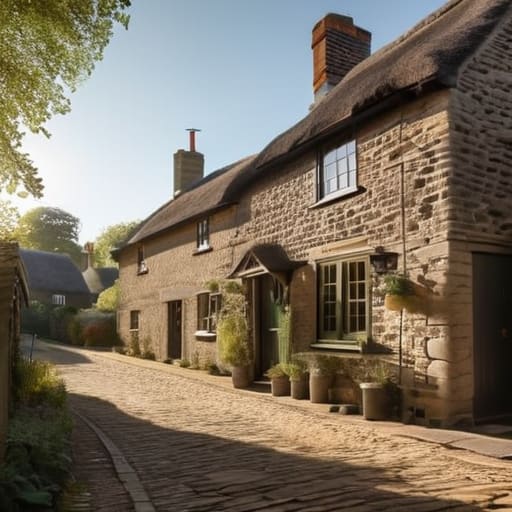
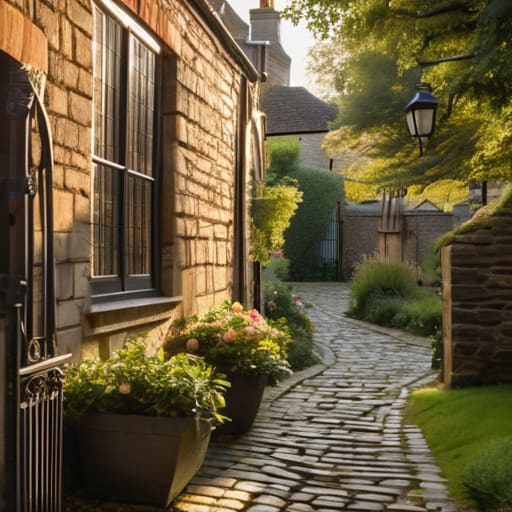
Now, I know what you’re thinking. You’ve just bought a lovely period cottage, perhaps one of those flint-walled beauties built around 1840, and suddenly you feel like you can’t even change a window latch without a committee meeting. It’s easy to feel hemmed in by local authority planning constraints, but there is a method to the madness. The goal isn’t to freeze the village in amber, but to ensure that when you hang a new door, it doesn’t look like it was plucked from a modern showroom in Basingstoke.
The real headache usually stems from the difference between a listed building vs conservation area designation. If your house is listed, you’re dealing with much stricter rules regarding every nail and timber. In a conservation area, you often have more leeway, but you must be mindful of permitted development rights in conservation areas, which are frequently curtailed to protect the streetscape. I’ve seen many a well-meaning homeowner try to replace a sash window with uPVC, only to find themselves in a costly tug-of-war with the council. It’s always better to ask first; it saves a lot of heartache and a very long walk to the planning office.
Listed Building vs Conservation Area Knowing the Real Difference
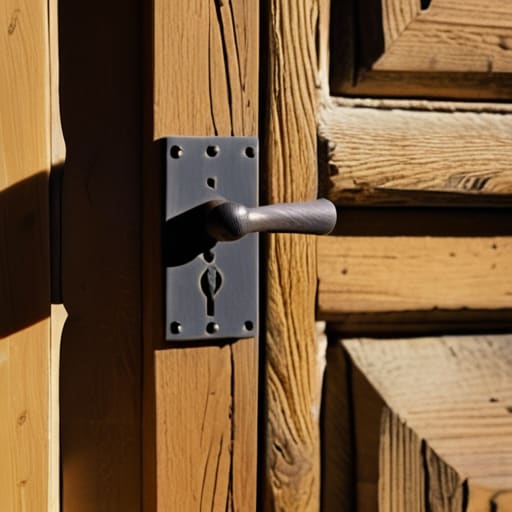
Now, I often get asked at the village shop whether a house being in a conservation area is the same thing as it being a listed building. It isn’t, though the paperwork can certainly feel like it’s trying to be. Think of a listed building as a single, precious piece of pottery—it’s been singled out because the building itself, perhaps that 17th-century timber frame over on Mill Lane, has specific historical importance. When you deal with a listed property, you are looking at planning permission for heritage sites that covers almost everything, right down to the colour of your front door handles.
A conservation area, however, is more about the “feel” of the whole street. It’s the collective character of the cottages, the way the hedges line the lane, and even the trees. You might not have a listed house, but if you live within these boundaries, you have to be more careful about things like replacing windows or even trimming back a large oak. It’s less about one specific wall and more about protecting the architectural character of the entire neighbourhood so it doesn’t slowly lose its soul to modern plastic fittings.
Five things I’ve learned from thirty years of looking at bricks and mortar
- Don’t assume a small change is “invisible.” I’ve seen plenty of folks think swapping out old timber windows for white uPVC won’t be noticed, but in a conservation area, the council sees it immediately. Those original frames are often the very thing that keeps the street looking the way it should.
- Check the “Article 4 Directions” before you buy a single bag of cement. Some villages have extra layers of rules tucked away in the fine print that restrict things even more than the standard guidelines. It’s better to find out now than when you’re halfway through a DIY project you aren’t allowed to finish.
- Trees aren’t just garden ornaments; they’re part of the protected landscape. If you have a significant tree near the boundary, you can’t just prune it back or lop it off because it’s blocking the light. You’ll likely need to give the local authority a bit of notice first.
- When in doubt, talk to the planning officer before you talk to the builder. I’ve known many a well-meaning neighbour who spent thousands on a new porch only to be told it didn’t meet the character of the area. A quick phone call can save you a massive headache and a lot of wasted money.
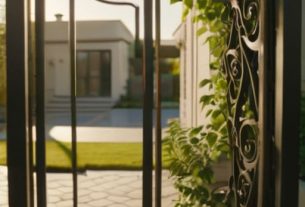
- Keep an eye on your boundary walls and gates. In many of our older hamlets, the stone or ironwork at the edge of your property is considered just as important as the house itself. Replacing a beautiful old flint wall with a modern timber fence might look tidy to you, but it can strip the character right out of the lane.
A Few Things to Keep in Mind Before You Pick Up a Hammer
Don’t assume a quick DIY job is safe; in a conservation area, even something as small as changing your front door or swapping out a window can trigger a planning headache if it alters the look of the street.
Remember that the rules aren’t there just to be difficult—they are there to ensure that when someone buys a house fifty years from now, they aren’t looking at a plastic-wrapped version of what used to be a beautiful cottage.
Always talk to the council or a professional before you start; it is much cheaper to ask for permission than it is to pay a surveyor to tell you that you’ve accidentally ruined a piece of local history.
The Real Cost of a Quick Fix
I’ve seen too many folks try to save a few quid by swapping out original timber windows for cheap uPVC, only to find out later that the council won’t touch them and the house’s value has taken a proper hit. In a conservation area, you aren’t just buying a house; you’re becoming a temporary custodian of a bit of history, and that means making decisions that look right in twenty years, not just next Tuesday.
Gordon Ellery
A Final Word on Keeping Our Streets Right
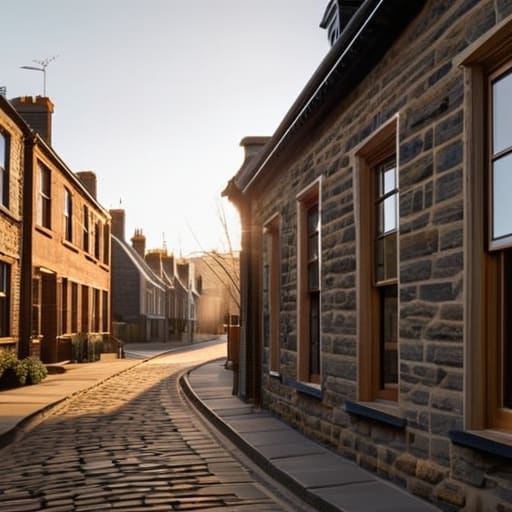
At the end of the day, navigating these rules is really just about understanding that your home is part of a much larger picture. Whether you are looking at a small extension or simply thinking about replacing a window, the distinction between a listed building and a conservation area matters. It is the difference between protecting a single, historic structure and preserving the entire rhythm of the street. If you take away anything from this, let it be this: always check with the local planning office before you pick up a hammer. It is far easier to ask for permission than it is to try and undo a mistake once the scaffolding is already up and the wrong materials have been laid.
We often talk about property values and planning permissions as if they are purely financial matters, but they are actually about stewardship. I have spent thirty years looking at bricks, mortar, and flint, and I have seen how quickly a sense of place can vanish when we stop caring about the details. These rules aren’t just red tape designed to slow you down; they are the guardrails that ensure the village we love today remains the same village for the people who move in fifty years from now. We are merely temporary tenants of these old houses, and it is our job to leave them in good nick for the next generation.
Frequently Asked Questions
If I want to swap my old timber windows for something more energy-efficient, am I going to be told no by the council?
It’s the question I get asked most at the post office. The short answer is: don’t go buying double glazing just yet. If you’re in a conservation area, the council usually wants to see those original timber frames kept, or at least replaced with something that looks identical. They aren’t against efficiency, but they are against plastic looking like it’s been stuck onto a 19th-century cottage. Get a specialist to quote for slimline timber first.
Does being in a conservation area mean I can't put up a fence or a garden shed without asking permission first?
It isn’t a total lockout, but you can’t just head to the garden centre and start digging. For a shed, you’re usually fine under permitted development, provided it isn’t too tall or right against a boundary. Fences are a different story; if you’re replacing a stone wall with timber, or if the fence is unusually high, you’ll likely need the council’s nod. I’ve seen more planning headaches caused by a poorly placed gate than a whole extension.
I've got a bit of a crack in my masonry; does the council consider that a matter for planning, or can I just get a local tradesman to patch it up?
If it’s just a bit of crumbling mortar or a hairline crack in the brickwork, you can call the local man for a patch job without asking permission. That’s basic maintenance. However, if you’re talking about replacing the stone itself or changing the type of mortar, stop right there. In a conservation area, using the wrong cement—the modern, hard stuff—can actually damage old, soft bricks. When in doubt, ask the council first.