I remember standing in a draughty hallway in a mid-Victorian semi near Upper Slaughter, listening to a young man in a sharp suit explain that a survey was merely a “comprehensive structural audit for risk mitigation.” I nearly choked on my tea. People often get caught up in the jargon, wondering exactly what does a chartered surveyor do when they aren’t busy using five-syllable words to justify a hefty fee. The truth is, I wasn’t there to balance a spreadsheet; I was there because I could smell the rising damp through the floorboards and see the way the lintel over the fireplace had bowed slightly since the 1950s.
I’m not going to give you a lecture from a textbook or a list of industry buzzwords that leave your head spinning. Instead, I’m going to tell you what actually happens when a professional steps through your front door. I’ll pull back the curtain on the real work—from checking the pitch of a roof to spotting the hairline crack that signals a much larger headache. My promise is simple: I will give you the straight-talking truth based on thirty years of boots on the ground, so you know exactly what you are buying.
Table of Contents
- More Than Just Paperwork Following Rics Professional Standards
- Residential Property Inspection Seeing What the Walls Hide
- Five Things to Keep in Mind Before You Open the Door
- The Bottom Line for Homebuyers
- ## The Difference Between a Checklist and a View
- The Final Word Before You Sign
- Frequently Asked Questions
More Than Just Paperwork Following Rics Professional Standards

Now, don’t let the acronyms fool you. When people ask me about the rules we live by, they’re usually talking about RICS professional standards. It sounds like something cooked up in a boardroom in London, but for those of us on the ground, it’s quite practical. It’s the difference between a lad with a clipboard and a professional who actually stands behind his word. These standards ensure that whether I’m looking at a Victorian terrace or a new-build bungalow, the level of scrutiny remains the same. It’s about accountability; if I say a damp patch is just condensation, I’d better be right, because my reputation is tied to that assessment.
It also helps clarify the various types of property surveying you might encounter. You’ll often hear folks confusing a building survey vs valuation, but they are two entirely different animals. A valuation is about the figure—what the bank thinks the bricks and mortar are worth on a Tuesday afternoon. A survey, however, is about the bones of the house itself. One tells you what you’re paying; the other tells you if you’ll be spending your retirement fixing a sagging roof.
Residential Property Inspection Seeing What the Walls Hide
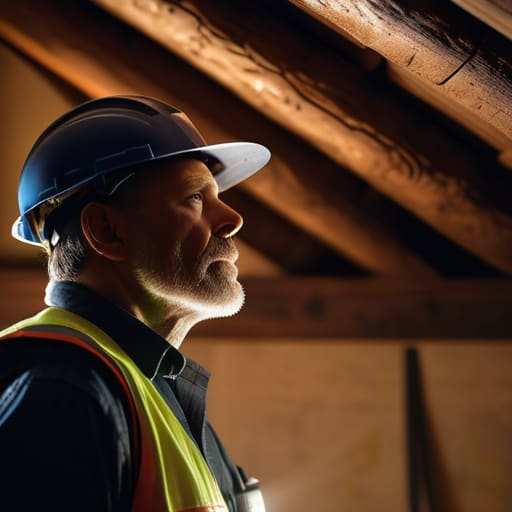
When I’m out on a residential property inspection, I’m not just checking if the front door swings freely or if the kitchen cupboards are level. I’m looking for the things the previous owner might have tried to hide with a fresh coat of emulsion. I’ll be in the loft, squinting at the rafters to see if there’s any sign of recent damp, or kneeling in the crawlspace to check the joists. It’s about finding the difference between a house that’s merely well-presented and one that is structurally sound.
People often ask me about the difference between a building survey vs valuation, and the answer usually comes down to how much you actually want to know before you sign the papers. A valuation tells you what the bricks and mortar are worth in today’s market, but a full survey tells you if those bricks are actually staying where they ought to be. I’ve seen plenty of cottages—most of them built well before the Great War—that look lovely until you spot the subsidence patterns creeping up the chimney breast. It’s my job to find them before they find your bank balance.
Five Things to Keep in Mind Before You Open the Door
- Don’t expect a quick glance; a proper surveyor isn’t there to tick a box and head to the pub. They need time to get into the loft, check the damp proof course, and actually look at the condition of the foundations, not just the fresh coat of paint in the hallway.
- Remember that a surveyor isn’t a builder, though they often know one. They are there to tell you what is wrong, not to give you a quote for fixing it. If you want to know how much a new roof will cost, you’ll need to call a contractor once the report is in hand.
- Prepare the house for them. If the cupboard under the sink is packed with cleaning supplies or the attic is full of old Christmas decorations, they won’t be able to see the pipes or the rafters. A surveyor can only report on what they can actually access.
- Look closely at the report, not just the summary. I’ve seen people skip straight to the “overall condition” score and miss the vital bit about a slight subsidence crack in the north-facing wall. The devil, as they say, is in the fine print.
- Use them as a sounding board for your budget. If a surveyor tells you a property has rising damp or an outdated electrical system, don’t just see it as a problem—see it as a hard number you’ll need to add to your mortgage or savings before you move in.
The Bottom Line for Homebuyers
A surveyor isn’t there to give you a valuation for a mortgage; they are there to find the damp in the corner and the cracks in the lintel that the estate agent conveniently missed.
Don’t just look at the glossy brochure; a proper inspection tells you if that beautiful Victorian terrace has been sitting on failing foundations or if the roof tiles are more prayer than mortar.
The report is your most important tool for negotiation, providing the hard facts you need to ask the seller to fix the issues before you sign your life away.
## The Difference Between a Checklist and a View
“A lot of people think a surveyor just walks through a front door with a clipboard and ticks a few boxes, but that’s not it at all. If I’m doing my job right, I’m the one spotting the slight dip in the floorboards that suggests a subsidence issue from the 1970s, or noticing that the damp patch in the corner isn’t just a leak, but a sign that the guttering hasn’t been cleared since the last Jubilee.”
Gordon Ellery
The Final Word Before You Sign
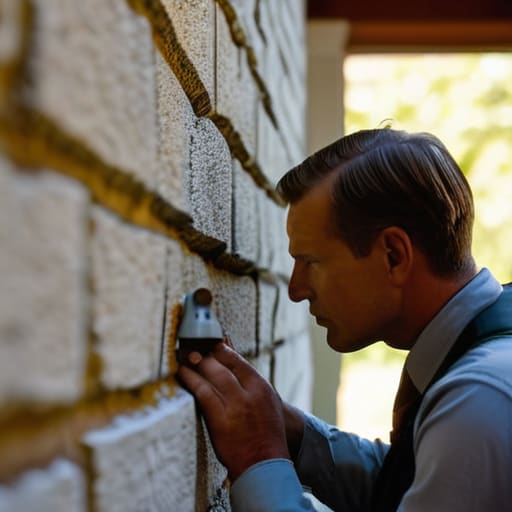
At the end of the day, a chartered surveyor isn’t there to make your life difficult or to add another layer of bureaucracy to an already stressful move. Whether we are checking the pitch of a roof on a 1930s semi or tracing the history of a boundary wall that’s been leaning since the Great War, the goal is simple: clarity. We look past the fresh coat of paint and the staged furniture to find the structural reality beneath. From ensuring RICS standards are met to spotting that hairline crack in the damp-proof course, our job is to translate a building’s physical condition into something you can actually use to make a decision. It is about making sure that when you finally get the keys, you aren’t inheriting a money pit disguised as a dream home.
Buying or selling a house is one of the biggest things you will ever do, and it shouldn’t feel like you are walking into a fog. A good surveyor acts as your eyes and ears in places you simply cannot reach, providing the peace of mind that comes from knowing the facts. Remember, a house is more than just bricks, mortar, and a postcode; it is the foundation for your future. If you take the time to get the professional details right now, you won’t be spending your weekends worrying about the rafters or the drainage. Invest in the certainty of knowing, and you’ll find that a house truly becomes a home you can settle into without looking over your shoulder.
Frequently Asked Questions
How much of the final report is actually based on what you saw with your own eyes versus what you've looked up in a database?
If I relied solely on a database, I’d be no better than a computer program. The data tells me the house was built in 1924 and what the local sales prices were, but it won’t tell me that the subsidence in the kitchen is worsening or that the damp in the pantry is due to a blocked gutter. The report is about sixty percent what I see with my own eyes—the cracks, the smells, and the sloping floors.
If I'm buying an older cottage, should I be looking for a basic valuation or a full structural survey?
If you’re eyeing one of those lovely old cottages—the ones built before the Great War, mind you—don’t let a basic valuation fool you. A valuation tells you what the bank thinks it’s worth; it won’t tell you if that timber frame is bowing or if the lime mortar is turning to dust. You need a full structural survey. I’ve seen too many people skip that step, only to find a damp problem that costs more than the house.
What happens if you find a serious problem, like subsidence or rising damp, after the surveyor has already left the site?
It’s a nasty feeling, finding a crack or a damp patch once the surveyor has packed up their kit. If it’s something significant, like subsidence, you need to act quickly. First, check your report; I usually note everything I see, even if it’s just a suggestion. If it wasn’t mentioned, contact your surveyor immediately. They have professional indemnity insurance for a reason. Don’t panic, but don’t ignore it either—get a specialist in.