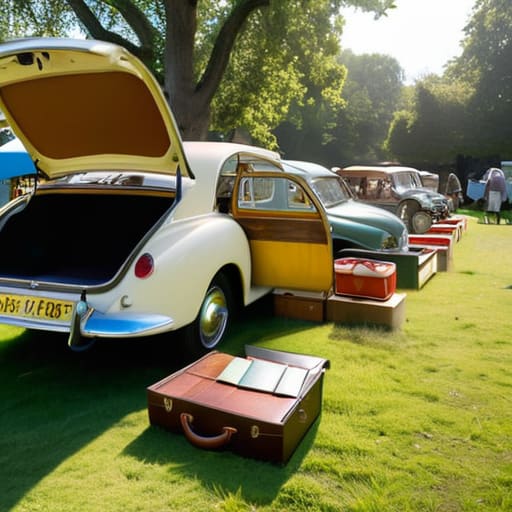
I remember standing in the middle of the village green last autumn, watching a young fellow from the next parish try to run a local market using a fancy new smartphone app and a stack of glossy, laminated flyers. He spent more on the marketing than he did on the actual site hire, and by 10:00 AM, he had nothing but a handful of confused pensioners and a lot of wasted paper. If you think you need a digital marketing strategy to learn how to organise a car boot sale, you’ve been misled by people who have never actually had to move a heavy trestle table in the rain. It isn’t about algorithms; it’s about the logistics of the land and making sure the cars don’t get stuck in the mud.
I’m not here to sell you on some expensive seminar or a complicated management framework. I’m going to tell you exactly what I’ve learned from decades of watching these things run—and fail—in our local community halls and churchyards. I will give you the straight truth on everything from marking out the bays to managing the tea tent, focusing on the practical realities that actually keep a sale running smoothly. If you want to do it properly, without the fluff, then let’s get to work.
Table of Contents
- Navigating Venue Requirements and the Necessary Paperwork
- Protecting Your People With Event Insurance and Health and Safety
- A Few Practical Bits to Keep the Day from Turning into a Muddle
- A Few Things to Keep in Mind Before You Set Off
- The Secret to a Good Sale
- Getting the Gates Open
- Frequently Asked Questions
Navigating Venue Requirements and the Necessary Paperwork
Now, before you go booking the village green or a corner of a farmer’s field, you need to talk to the people who actually own the dirt. Most landowners will be happy enough for the extra bit of income, but they’ll want to see that you aren’t a liability. You’ll need to sit down and look closely at the specific car boot sale venue requirements—things like access for larger vehicles and, more importantly, where the drainage goes when the clouds burst. I remember a field near Sevenhampton back in ’94 that turned into a bog halfway through a sale because no one checked the ground level; it was a right mess.
Once you’ve secured the spot, don’t skimp on the paperwork. You cannot simply wing it; you’ll need proper event insurance for car boot sales to cover yourself if a trailer decides to roll into a display or someone trips over a loose paving slab. It’s also worth having a basic plan for car boot sale health and safety, particularly regarding trip hazards and keeping the fire lanes clear. It might feel like a lot of fuss for a Saturday morning, but it’s much easier to fill out a form now than to explain a broken gate to the parish council later.
Protecting Your People With Event Insurance and Health and Safety

Now, I’m not one for making a fuss, but if you’re the one holding the clipboard, you are the one responsible when a stray trolley goes rogue or someone trips over a loose bit of gravel. You can’t just rely on a handshake and a bit of luck. Getting proper event insurance for car boot sales isn’t just about ticking a box for the council; it’s about making sure a broken heel or a spilled thermos doesn’t end up costing you your life savings. I’ve seen enough minor mishaps at village fetes to know that a little bit of foresight goes a long way.
When it comes to car boot sale health and safety, keep it practical. I’m talking about making sure the paths between the cars are clear enough for a pram to get through without a struggle, and ensuring the electrics—if you’re even providing them—aren’t a nest of frayed wires. If you’re managing car boot sale vendors, tell them clearly where they can and cannot park. It sounds fussy, but it’s the difference between a tidy afternoon and a chaotic mess that leaves everyone frustrated.
A Few Practical Bits to Keep the Day from Turning into a Muddle
- Don’t forget the change. I’ve seen plenty of organisers stand there looking sheepish because they’ve got nothing but twenty-pound notes when a pensioner is trying to buy a chipped mug for fifty pence. Get yourself a proper tin and enough small coins to see you through the morning.
- You need a way to tell people where to go. If you just point vaguely towards the field, you’ll have half your sellers parked on the verge and blocking the lane before ten o’clock. Use some sturdy cones or even just some bright bunting to mark out the rows clearly.
- Keep a close eye on the weather, and I don’t just mean the rain. If the ground is soft—and if you’ve picked a site near the brook, it usually is—you’ll need to tell people to bring their own trestle tables or heavy-duty mats so they aren’t sitting in the mud.
- Make sure you have a clear system for the money. Whether you’re charging per car or per table, don’t try to do it all at the entrance while people are still driving in. It’s much easier to have a designated ‘pay station’ so the traffic doesn’t back up onto the main road.
- Plan for the rubbish. It sounds a bit unglamorous, but if you don’t have a few extra heavy-duty bin bags and a plan for where the refuse goes at the end of the day, you’ll be left with a mess that the local council won’t be happy about.
A Few Things to Keep in Mind Before You Set Off
Get your paperwork in order early; there is nothing quite as frustrating as turning up with a boot full of bric-a-brac only to find you haven’t the right permits to legally set up shop.
Don’t forget the small things, like a bit of change and a sturdy table, as you’ll find that most people don’t carry much cash these days and a pile of goods on the damp grass is no way to make a sale.
Treat the venue with respect and keep an eye on the weather; a bit of foresight with gazebos or heavy-duty tarpaulins will save you a lot of bother when the clouds inevitably turn grey.
The Secret to a Good Sale
You can have all the insurance certificates and council permits in the world, but if you don’t have a clear plan for where the vans park and where the tea is served, you aren’t running a car boot sale—you’re just hosting a very expensive traffic jam.
Gordon Ellery
Getting the Gates Open
When you step back and look at the checklist, it can seem a bit daunting. You have the paperwork to sort, the insurance to secure, and a venue that needs to be more than just a patch of grass that turns into a bog the moment a cloud appears. But if you have handled the boring bits—the health and safety, the local council notifications, and the logistics of where the tea van is going to park—then you have done the heavy lifting. It is about having a solid foundation so that when the first car rolls in at seven in the morning, you aren’t worrying about a missing permit, but rather whether you have enough change in the till and enough space for the next person in line.
At the end of the day, a car boot sale is about much more than just clearing out the attic or making a few extra quid on a stack of old National Geographics. It is about the community coming together in a way that doesn’t feel forced. It is the chat over a lukewarm mug of tea and the sight of a child finding a toy that they’ll cherish for years. If you do the preparation right, you aren’t just running an event; you are building a tradition that keeps the village spirit alive. So, get your boots on, check your trestle tables, and get stuck in.
Frequently Asked Questions
How much should I actually charge the stallholders to make sure it's worth the effort without pricing everyone out?
Pricing is a bit of a balancing act. If you charge too much, you’ll end up with a field of empty patches; too little, and you’ll find yourself subsidising the event out of your own pocket. I’d suggest looking at what the next village over does—usually a flat fee for a standard pitch. Keep it simple. A few quid for a car, slightly more for a gazebo. It covers your tea and the permit, and that’s plenty.
Do I need to provide any facilities like toilets or a place for people to grab a tea, or is that someone else's problem?
If you’re hosting this on a village green or a church hall car park, you can’t just leave people to their own devices. People will be there for hours, and they’ll need the facilities. At the very least, ensure the church toilets are unlocked or arrange for a portable unit. As for tea, a simple trestle table with a thermos or a local scout troop running a stall does wonders for the atmosphere.
What's the best way to let the locals know it's happening so we don't end up with a car park full of empty spaces?
Don’t bother with those glossy, expensive flyers that just end up in the recycling bin. The best way is the old-fashioned way: a notice on the board at the village shop and a mention in the parish newsletter. If you can, get a post on the local Facebook group, but keep it simple. People need to know the date, the time, and if they need change. A bit of word-of-mouth at the pub does more than any billboard.