I was sitting in the village hall last Tuesday, looking at a stack of notices that were so dry they practically crumbled in my hands. It struck me then that most people only pick up a community circular when they’re looking for a lost cat or a planning permission warning, which is a crying shame. If we want to stop being a collection of houses and start being a proper community, we need to stop treating our publications like a list of council chores and start looking for genuine village newsletter ideas that actually reflect the life we lead. A newsletter shouldn’t just be a graveyard for meeting minutes; it should be the connective tissue that keeps us all aware of one another.
In the following five points, I’m going to share exactly how you can turn a boring sheet of paper into something people actually look forward to seeing on their doormats. I’ll show you how to move beyond the standard announcements and focus on the stories that truly matter—from the local tradesmen you can actually trust to the small victories in our parish. By the end of this, you’ll have a practical roadmap to create a publication that captures the real heart of our village.
Table of Contents
The History in Our Walls
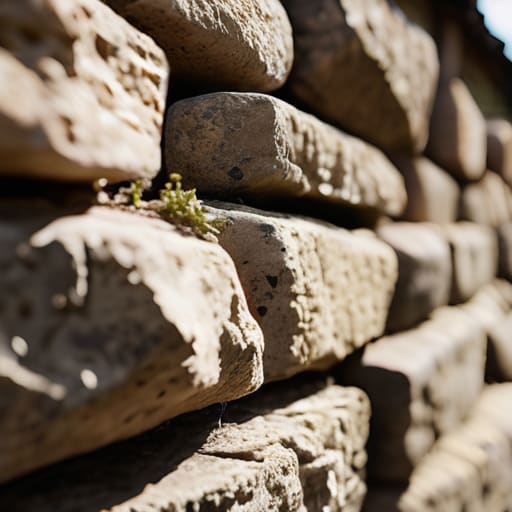
Most people walk past the old rectory or the Smithy without a second thought, but those buildings have more to say than a simple date on a plaque. I’ve spent years looking at flint work and lintels, and I can tell you that every village has a hidden timeline if you know where to look. Instead of just listing upcoming parish council dates, try asking a long-term resident to tell the story of how the old mill looked before the bypass was built in ’74.
The Local Tradesman’s Corner
We all know the frustration of a builder who disappears halfway through a kitchen fit or a plumber who doesn’t show up when the pipes freeze. In my thirty years of surveying, I learned that a reliable recommendation is worth more than any glossy advertisement in a city magazine. A section dedicated to local people who actually do what they say they’ll do can become the most vital part of your publication.
The Real Cost of Living
I’m not talking about the grand economic forecasts you see on the news, but the practicalities of keeping a village running. People want to know if the bus from the high street is still running on the Tuesday service, or if the post office has changed its opening hours again. These are the small, vital details that dictate whether a village feels like a community or just a collection of houses.
Celebrating the Quiet Wins
We tend to get very loud about the problems—the potholes, the planning permissions, and the bin collections—but we rarely write about the things that are going right. If the village hall committee managed to fix the leaking roof in the west wing, or if the school garden has finally bloomed, that deserves a mention. It isn’t about being unrealistically positive, but about acknowledging the effort it takes to maintain a place.
The Lost and Found of Local Knowledge
There is a specific kind of wisdom that only lives in the heads of people who have lived in a postcode for forty years or more. I’ve seen it lost time and again—knowledge about which lanes flood first during a heavy downpour or which hedge provides the best shelter for nesting birds. If we don’t write it down, that knowledge simply vanishes when the older generation moves on.
The Bottom Line
A newsletter isn’t a formal record for the parish council to file away; it’s a conversation between neighbours, so write like you’re standing at the garden gate.
If you aren’t mentioning the things that actually affect people’s Tuesday mornings—like the closure of the post office or the state of the lane—you aren’t really writing for the village.
Don’t worry about making it look polished or professional; people want to know the truth about the local planning application or the village fête, not read a piece of glossy marketing.
More than just ink on paper
A newsletter shouldn’t be a list of council minutes that nobody asked for; it should be the thing that tells you why the postman is running late or which cottage has finally replaced its draughty sash windows. If you aren’t writing about the things that actually make us neighbours, you’re just wasting good paper.
Gordon Ellery
A Final Word from the Editor's Desk
At the end of the day, whether you are focusing on the history of the old mill, the upcoming parish council debates, or simply highlighting the person who keeps the village hall tidy, the goal remains the same. A newsletter shouldn’t be a collection of dry, official notices that people use to line the birdcage. It needs to be a mix of useful local intelligence and the small, human stories that actually bind us together. If you include the practical bits—like which lane is under repair or when the post van might be late—alongside the social news, you aren’t just printing paper; you are building a shared record of our lives here.
I have spent a lifetime looking at the bones of houses, but I have learned that the spirit of a place is found in its people. A newsletter is more than just a way to pass the time between the morning paper and the evening news; it is how we ensure our community doesn’t just exist, but actually lives. Don’t worry if your layout isn’t perfect or if you aren’t a professional journalist. Just write the truth, keep it local, and remember that every small detail matters. If we don’t write down what happens in our lanes today, it will be forgotten by the time the next generation moves in.
Frequently Asked Questions
How much of this should be about local news versus just being a place to advertise lost cats and garden sheds?
Look, if it’s nothing but lost cats and garden sheds, people will stop picking it up after the first month. A newsletter shouldn’t be a glorified noticeboard for things people could just post on Facebook. You need the meat of the village—the planning application at number 42 or the fact the post office is changing its hours. Use the lost cats for the margins, but keep the main pages for the things that actually shape our lives.
Is it worth trying to get the younger crowd involved, or are we better off sticking to what the regulars actually want to read?
Look, if you only write for the regulars, you’re just writing a diary for the same ten people. I’ve seen it happen in half a dozen parishes; the newsletter becomes a closed loop until there’s no one left to take over the printing. You don’t need to start writing about TikTok, mind. Just mention the new bakery or the cricket scores. If you show them the village matters, they might actually stick around.
How do we handle the inevitable disagreements in the comments without turning the whole thing into a shouting match over the parish council?
Look, I’ve seen enough parish council meetings to know that one person’s “improvement” is another’s “eyesore.” When the comments start heating up, don’t play referee. If it’s about a pothole or a planning application, let them vent, but draw a line at personal slights. I usually just step in and say, “Let’s keep the discussion to the matter at hand, please.” It’s better to let a debate simmer than to let it boil over.