I remember standing in a drafty hallway in a mid-Victorian terrace near Salisbury back in ’94, watching a young surveyor trip over a loose floorboard while he droned on about “comprehensive due diligence.” He was reading from a clipboard, completely missing the fact that the damp patch in the corner wasn’t just a bit of condensation, but a sign of a failing gutter system that had been neglected since the late seventies. Most people think they need a mountain of expensive paperwork to feel safe, but having property searches explained by a man in a suit doesn’t mean a thing if he hasn’t actually looked at the slope of the driveway or checked if the local pub is too noisy on a Friday night.
I’m not here to sell you on some glossy, overpriced legal package that tells you nothing about the actual reality of living there. My aim is to give you the straight truth about what those searches actually uncover—and more importantly, what they miss. I’ll tell you which documents actually matter and which ones are just expensive ways of saying “everything seems fine,” so you don’t end up buying a house that’s a ticking time bomb.
Table of Contents
The Home Buyer Search Checklist for Real Life

When you sit down with your solicitor, they’ll hand you a list of conveyancing search requirements that looks more like a grocery list for a small army. It’s easy to get lost in the jargon, but don’t let the paperwork dull your senses. You need to look past the local authority searches to see what’s actually happening on the ground. I’ve seen plenty of folks skip the fine print only to find out six months later that the “quiet cul-de-sac” is actually the primary route for a new bypass, or that the drainage system hasn’t been updated since the mid-sixties.
A proper home buyer search checklist should include more than just the legalities; it needs to account for the reality of the street. Check the planning portal for any nearby extensions that might block your light, and if you can, walk the route to the nearest shop at dusk. Don’t just rely on the official documents to tell you if a place is right. If the paperwork says the boundaries are clear but the fence looks like it’s leaning more than my dry stone wall after a heavy frost, you need to ask why.
Essential Searches When Buying a Home Youll Love

Now, don’t let the solicitors intimidate you with their thick folders of paperwork. While they focus on the heavy lifting of conveyancing search requirements, you need to keep an eye on the practicalities. I’ve seen plenty of folks get swept up in the excitement of a new kitchen, only to find out six months later that a public footpath cuts right through what they thought was their private garden. You aren’t just buying bricks and mortar; you are buying the land they sit on and the rights attached to it.
When you are navigating the property transaction due diligence, pay particular attention to the local authority searches. It isn’t just about planning permission for a new garage; it’s about whether the council has plans to turn that quiet lane behind the cottage into a bypass. I once valued a lovely Victorian terrace in a nearby village—built around 1885, if memory serves—where the buyer hadn’t realised a new sewage pipe was scheduled to be laid right under his driveway. Check the maps twice, and don’t be afraid to ask the neighbours what the local council has been up to lately.
Five things the solicitors won't tell you over a pint
- Don’t trust the brochure’s “quiet location” label. I’ve spent enough time walking these lanes to know that a road that looks peaceful on a Tuesday afternoon can become a bottleneck of delivery vans and school runs by 3:15 PM. Get down there on a weekday evening and a Saturday morning before you sign anything.
- Check the boundaries with more than just your eyes. I’ve seen plenty of disputes in my time where a neighbour’s hedge or a garden wall has crept six inches into the next garden over the last twenty years. If the title plan and the actual fence line don’t shake hands, you’re in for a headache.
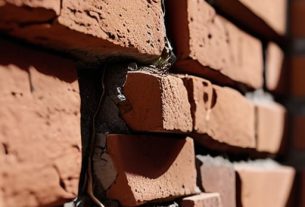
- Look past the fresh paint to the structural bones. A new coat of emulsion can hide a multitude of sins, including damp or settling cracks. If you see a property that looks too “perfect” for its age—say, a mid-Victorian terrace that’s had a sudden facelift—ask yourself what they’re trying to cover up.
- Investigate the drainage and the slope. It sounds unglamorous, but I’ve seen many a beautiful cottage in this part of the county become a swimming pool after a heavy autumn downpour. If the house sits in a dip or the street has those peculiar patterned drains, find out exactly where the water goes when it rains.
- Ask about the neighbours, not just the house. A surveyor can tell you if a roof is sound, but they won’t tell you if the person next door intends to run a commercial car repair business from their driveway. A quick, polite chat with someone on the street will tell you more about the “feel” of a place than any official document ever could.
The Bottom Line Before You Sign
Don’t let a shiny kitchen distract you; a house is a shell, but the searches tell you if the ground underneath it is stable and if the local council has plans to build a bypass right through your garden.
Paperwork is fine, but nothing beats walking the lane at 8:00 AM on a Tuesday to see if the neighbours are loud or if the “quiet cul-de-sac” is actually a shortcut for the local delivery vans.
View the searches as an insurance policy for your peace of mind, because it is much cheaper to pay for a local authority search now than to find out your boundary dispute is real six months after the keys are in your hand.
## More Than Just Paperwork
A property search isn’t just a stack of certificates from a solicitor; it’s your only chance to find out if that quiet lane is actually a river every February, or if the “period features” you’re admiring are actually just structural cracks held together by hope and old paint.
Gordon Ellery
A Final Word Before You Sign

At the end of the day, these searches aren’t just about ticking boxes to satisfy a solicitor or a bank; they are about making sure you aren’t buying a headache. Whether it is checking the local authority for planned developments that might block your view, or making sure the drainage isn’t going to turn your garden into a pond every November, the goal is the same. I have seen far too many people rush into a purchase because they fell in love with a period fireplace, only to realise later that the structural integrity of the cottage was a lost cause. Do the work, don’t skip the local searches, and make sure the paperwork matches the reality of the bricks and mortar.
Buying a home is perhaps the biggest thing you will ever do, and it should feel like a beginning, not a burden. A house is just a collection of timber, stone, and slate—some of it built in the 1740s, some of it much more recent—but a home is something you build through the years. If you take the time now to ensure the foundations are solid and the community is what you expect, you can spend the next decade focusing on the important bits, like which neighbour has the best apple trees or where the best local pub is. Buy with your eyes open, and you’ll find a place that truly feels like yours.
Frequently Asked Questions
If the local council says the planning searches are clear, does that actually mean I won't wake up to a noisy extension being built next door in six months?
Not necessarily. A clear planning search just means nothing is officially approved yet. It doesn’t stop a neighbour from submitting an application tomorrow morning, or worse, building something slightly “off-spec” without asking first. I’ve seen plenty of quiet cul-de-sacs turned into building sites because someone missed the subtle signs of a pending application. Keep your eyes peeled for those bright orange notices on lamp posts; they tell a truer story than a council report.
I've heard some people say you can skip the environmental searches if the house is in an established village, but is that worth the risk of finding out the ground is dodgy after you've moved in?
Now, I’ve heard that exact argument at more than one parish council meeting. People think because a village has been there since the Tudors, the ground must be solid. That’s nonsense. I’ve seen beautiful cottages in the Test Valley where the drainage is a nightmare simply because of what’s underneath. Don’t gamble on it. An environmental search might show you a flood risk or old contamination you can’t see from the driveway. It’s better to know now.
How much of the actual cost for these searches is just being tacked on by the solicitors, and is there a way to tell if I'm being overcharged for the basics?
Look, I’ve seen enough billing statements to know the score. You aren’t just paying the local council for the paperwork; you’re paying your solicitor for the time it takes to chase them down. That’s the “admin fee” trap. To avoid getting stung, ask for a broken-down quote before you sign anything. If they can’t tell you exactly what the search costs versus their own fee, walk away. Don’t pay for their inefficiency.