I was standing in the hallway of a mid-Victorian terrace in Salisbury last Tuesday, watching a young father try to wedge a plastic foam strip into a doorframe that had settled three inches out of plumb back in 1924. He looked exhausted, and frankly, he should have been. There is a lot of nonsense being sold these days—expensive, brightly coloured gadgets that promise to turn a period property into a padded cell—but if you ask me, most of it is a waste of good money. Learning how to make an old house safe for children shouldn’t require a degree in engineering or a massive budget; it requires knowing where the actual trouble hides, like that one loose floorboard near the hearth or the deceptively steep rise of a narrow staircase.
I’m not here to sell you on fancy baby-proofing kits that’ll look ridiculous against your oak panelling. Instead, I want to share what I’ve learned from thirty years of inspecting properties and a fair few years of watching my own grandchildren navigate uneven thresholds. I’ll give you the plain truth on where to focus your energy, from securing heavy, unanchored mantels to managing those tricky draughts and sharp corners. We’ll stick to practical, sensible adjustments that respect the character of your home while keeping the little ones out of harm’s way.
Table of Contents
- Childproofing Victorian Era Homes Without Losing the Soul
- Lead Paint Safety in Vintage Homes and Hidden Dust
- Five Practical Fixes for the Less-Than-Level Parts of an Old Home
- A few things to keep in mind before the little ones arrive
- The Balance of Safety and Character
- A Bit of Final Advice
- Frequently Asked Questions
Childproofing Victorian Era Homes Without Losing the Soul
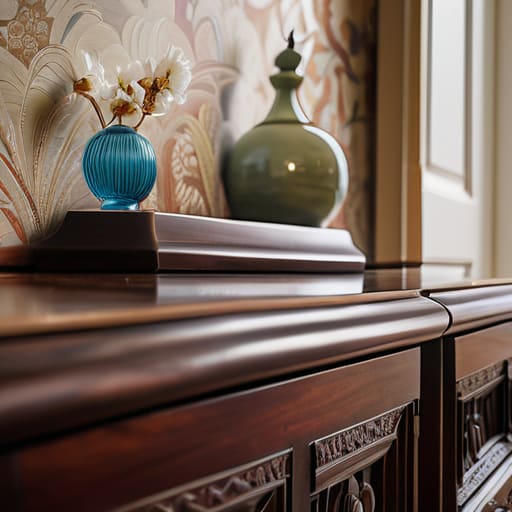
The trouble with a Victorian terrace or a detached villa from the 1880s is that they were built for a different kind of inhabitant—one who didn’t have a toddler testing the structural integrity of every corner. You don’t want to plaster over those lovely cornices or hide the original floorboards under thick carpet, but you do need to be sensible. I’ve seen too many families try to preserve the aesthetic only to find themselves dealing with a wobbling sideboard. One of the most important bits of business is securing antique furniture to walls; those heavy, spindly pieces look grand, but they aren’t designed to withstand a two-year-old using the drawer as a step-ladder.
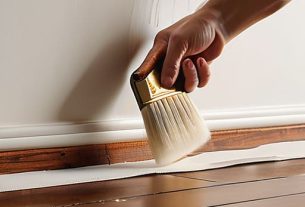
Then there is the matter of the walls themselves. If you’ve moved into one of the older cottages around the edge of the village, you must be mindful of lead paint safety in vintage homes. It’s a nuisance, I know, but if that paint starts flaking near a skirting board, it’s best to seal it or strip it back properly rather than just painting over it with a cheap emulsion. It isn’t about stripping the character out; it’s about making sure the house stays standing—and the family stays healthy—for another century.
Lead Paint Safety in Vintage Homes and Hidden Dust
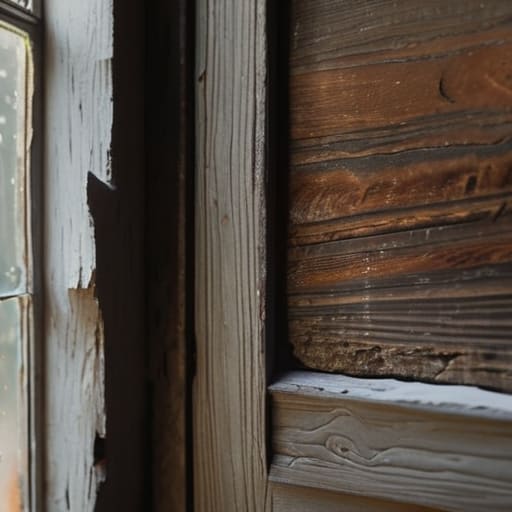
Now, we need to talk about something a bit less visible than a steep staircase, but arguably more serious: the layers of paint hiding under your floorboards and window frames. Most of the houses built before the mid-1960s—and certainly most of the Edwardian terraces I’ve surveyed—were coated in lead-based pigments. It isn’t just about a peeling windowsill; it’s the fine dust that settles when a toddler starts scraping at a corner with a toy. When considering lead paint safety in vintage homes, the rule of thumb is simple: if the paint is intact, leave it be. But the moment you decide to sand down a door frame or scrape a skirting board to freshen it up, you’re creating a hazard.
If you are planning any DIY, don’t just grab a standard sander from the shed. You’ll end up breathing in more than just sawdust. I always tell people to use a wet-sanding method or, better yet, hire a professional to test the layers first. It’s one of those invisible jobs that requires patience over speed. You won’t see the danger immediately, but keeping that dust contained is the only way to ensure the house remains a sanctuary rather than a health risk.
Five Practical Fixes for the Less-Than-Level Parts of an Old Home
- Mind the thresholds. Most houses built before the 1930s have door frames and floor transitions that aren’t quite flush, and those little lips of wood are exactly where a toddler will catch a toe and tumble. I’ve seen enough trips in the village hall to know that a bit of heavy-duty, low-profile transition stripping can save a lot of bruised knees.
- Secure the heavy stuff. Those beautiful, spindly-legged Victorian sideboards and heavy oak bookcases are lovely to look at, but they aren’t anchored to anything. If a child decides to use a drawer as a ladder, that piece of furniture is coming down with them. Get some proper L-brackets and screw them into the studs; it’s better to have a small hole in the plaster than a heavy cabinet on a child.
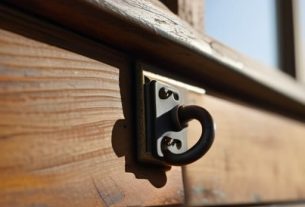
- Check your window latches. Many of our older sash windows don’t have the sturdy, locking mechanisms you find in a new build. They can be finicky or, worse, they don’t stay shut at all. I’d suggest fitting some discreet window restrictors—the kind that limit the opening to a few inches—so you aren’t constantly worrying every time a breeze picks up.
- Watch the electrical sockets. In many of the older cottages around here, the sockets are positioned at exactly the right height for a curious hand, and they often lack the built-in safety shutters found in modern wiring. You don’t need to rewire the whole house, but a pack of simple plastic plug covers from the local hardware shop is a cheap and effective bit of insurance.
- Be wary of the “hidden” corners. Old houses often have odd nooks, low ceiling beams, or decorative radiator covers that create sharp edges. If you’ve got a particularly jagged corner on a stone hearth or a timber mantelpiece, don’t try to hide it with fancy decor; just use a bit of clear, high-quality corner guard. It’s better to have a bit of plastic on a beam than a bump on a forehead.
A few things to keep in mind before the little ones arrive
Don’t go buying those plastic, neon-coloured socket covers that ruin the look of a Georgian skirting board; instead, look for the discreet, neutral ones that sit flush, or better yet, get a proper carpenter to fit some solid timber covers over the old points.
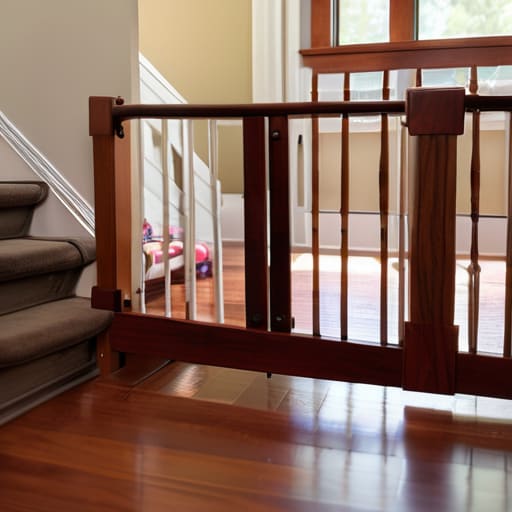
If you’ve got those narrow, winding staircases common in houses built before 1890, don’t just rely on a flimsy pressure-gate; get something substantial bolted into the newel posts, because a toddler’s weight can push a cheap gate right through the banister.
Keep a close eye on the floorboards in the older parts of the house, particularly near the hearths, as the unevenness that we find “characterful” is exactly the sort of thing that leads to a tripped toe or a bumped head when someone is running about.
The Balance of Safety and Character
I’ve spent thirty years looking at floorboards and lintels, and I know you can’t just slap plastic covers on every corner and call it a day; you have to learn the rhythm of the house—where the draughts bite and where the steps are too shallow—so you can protect the little ones without turning a home built in 1880 into a sterile waiting room.
Gordon Ellery
A Bit of Final Advice
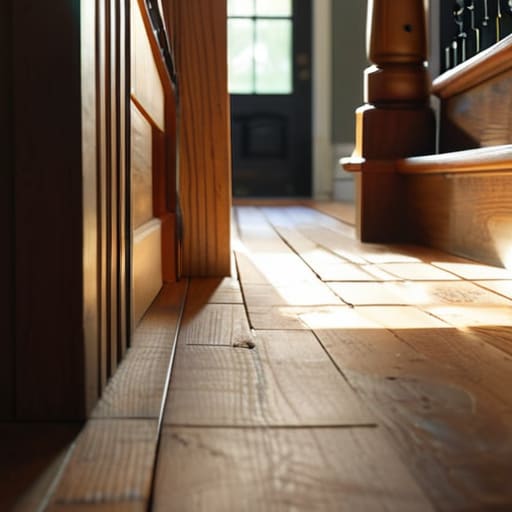
At the end of the day, making a house built in the 1880s safe for a toddler isn’t about stripping away every bit of character until it looks like a sterile hospital ward. It is about the practicalities: checking those heavy, original doors for finger traps, being mindful of the uneven floorboards in the landing, and keeping a sharp eye on the old masonry. We have covered the big things, from the hidden dangers of lead dust to the steepness of those narrow staircases, but it really comes down to a series of small, sensible adjustments. You don’t need to tear down the lath and plaster to protect your family; you just need to know your house as well as I know the cracks in the village church wall.
I have spent thirty years looking at the bones of buildings, and if there is one thing I have learned, it is that these old homes are built to last, provided they are looked after. A house with history has a way of becoming a home that breathes, and while the safety checks might feel like a chore now, they allow the next generation to grow up amidst that history without the worry. Don’t let the fear of a drafty window or a sharp corner stop you from enjoying the warmth of a real home. Once the gates are secured and the corners are padded, you can finally stop worrying and start living in the space you’ve worked so hard to maintain.
Frequently Asked Questions
What’s the best way to secure those heavy, original sash windows so they don't come crashing down on a curious toddler?
Those sash windows are a marvel of Georgian engineering, but they’re a nightmare once a toddler discovers the mechanism. I’ve seen more than one heavy frame drop because a sash weight cord snapped or the pulley gave way. Don’t bother with those cheap plastic latches; they won’t hold. Get some proper sash window restrictors installed—the metal kind that bolt into the frame. It keeps the opening to a safe few inches without ruining the look.
If I’ve got those uneven flagstone floors in the kitchen, can I use safety mats without making the whole room look like a playground?
I’ve spent plenty of time tripping over those uneven flagstones in cottages dating back to the mid-1800s. You don’t need bright, foam alphabet mats to keep a toddler steady. Look for heavy-duty, non-slip rugs in natural fibres like jute or thick wool; they sit better on a wonky floor and look like they belong. Just ensure they have a proper rubber backing so they don’t slide and create a new hazard altogether.
How do I deal with the draughty gaps around old doors and floorboards without ruining the character of the rooms?
I’ve spent many a winter watching the heat escape through the gaps in floorboards in houses built back in the 1880s. Don’t go slapping cheap foam strips on those heavy oak doors; it looks dreadful. Instead, look for some proper felt or rubber draught excluders that sit discreetly in the threshold. For the floorboards, a bit of beeswax or a specialist wood filler can plug the holes without stripping the character away.