I was standing in my hallway last Tuesday, staring at a particularly large, gilded piece that had been sitting in a crate for three months, wondering if I was actually going to attempt it or just leave it there until the next decade. Most people think that if you just buy a bigger screw, you’ve solved the problem, but after thirty years of surveying houses from the 1840s to the present day, I can tell you that the wall is what matters most. Learning how to hang a heavy mirror isn’t about brute force or expensive hardware; it’s about understanding whether you’re dealing with solid masonry or a bit of modern plasterboard that’s more air than substance.
I’m not going to give you a list of fancy gadgets you’ll only use once and then lose in the shed. Instead, I’m going to walk you through the actual, practical steps to ensure that mirror stays exactly where you put it. We’ll talk about finding the right fixings, checking your studs, and why you should never trust a single point of failure when weight is involved. By the time we’re done, you’ll have the confidence to get that glass on the wall without worrying about it ending up as a pile of shards on your floor.
Table of Contents
- Step-by-Step Instructions
- Finding Wall Studs Is More Important Than Any Fancy Bracket
- Why the Weight Capacity of Wall Fixings Matters More Than Looks
- Five things I’ve learned the hard way (so you don't have to)
- A few things to remember before you pick up the drill
- ## A bit of surveyor's wisdom
- One last check before you step back
- Frequently Asked Questions
Guide Overview
Tools & Supplies
- Stud finder to locate wall supports
- Power drill with masonry or wood bits
- Level to ensure straightness
- Measuring tape for precision
- Heavy-duty wall anchors (set of 2-4)
- Screws compatible with anchors
- Pencil for marking holes
Step-by-Step Instructions
- 1. First, you need to get the mirror out of the hallway and onto a stable surface, like a dining table, so you can actually see what you’re dealing with. Turn it over and look at the back; if it’s got those flimsy little wire loops that twist easily, you’re likely going to have trouble. I’ve seen too many people try to hang a heavy piece using just a single wire, only to find it pulls unevenly and leaves a mark on the wallpaper. If the hardware looks dodgy, spend the tenner to replace it with something sturdier before you even think about picking up a hammer.
- 2. Next, you’ll need to find the weight of the thing, and I don’t mean a guess. If you don’t have a scale, use a heavy bag of flour or something similar to get a sense of the heft. Once you know if you’re dealing with five kilos or twenty, you can decide whether you’re looking for standard screws or if you need to be moving into heavy-duty wall anchors. There is no sense in halfway doing a job only to have to patch up the plasterwork when it inevitably slips down the wall.
- 3. Now, grab a stud finder—and please, don’t rely on your knuckles to tap the wall and tell you what’s inside. I spent thirty years looking at lath and plaster in these older cottages, and you can’t always trust your intuition. If you can find a solid timber stud, that is your gold standard. If you’re hitting nothing but hollow plasterboard, you’ll need to use specific hollow-wall anchors, and you’d better make sure they are rated for the specific weight of that mirror, otherwise, you’re just asking for a mess.
- 4. Once you’ve identified your fixing points, mark them out with a pencil. I find it best to hold the mirror up to the wall (get someone to help you here, don’t be a hero) and mark the corners, then work backwards to find where the brackets need to go. Use a spirit level—not a smartphone app, a proper physical spirit level—to ensure your marks are straight. If the marks are off by even a fraction of an inch, that mirror will sit crooked, and it’ll be driving you mad every time you walk past it.
- 5. Drill your holes carefully. If you’re using wall plugs, drill the hole just a hair deeper than the plug itself so it doesn’t sit proud of the surface. When you’re driving the screws in, don’t just crank them home with all your might; you want them firm and flush, but you don’t want to strip the head of the screw or crack the surrounding masonry. If you feel the resistance change suddenly, stop and check if you’ve hit something you shouldn’t have.
- 6. Finally, it’s time for the heavy lifting. With a second pair of hands, lift the mirror into place and guide the hanging mechanism onto your fixings. Don’t just let go; ease it down slowly and check the level one last time. Give it a very gentle nudge to see if it feels seated and secure. If it feels steady, you’re done. If it wobbles, get it down immediately and rethink your fixings; it’s much easier to fix a screw now than it is to clean up broken glass on a Saturday morning.
Finding Wall Studs Is More Important Than Any Fancy Bracket
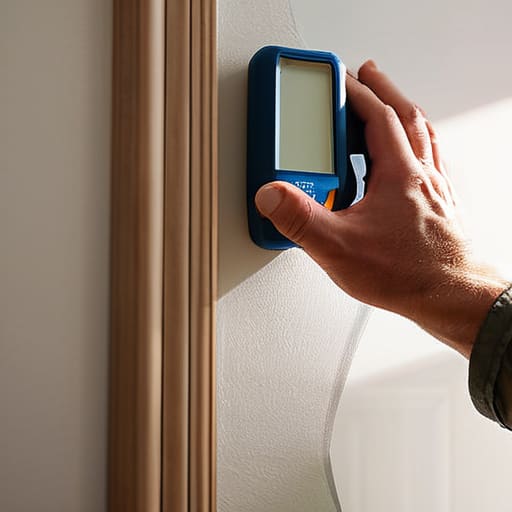
You can buy all the expensive mounting hardware for mirrors you like, but if you aren’t hitting timber, you’re just playing a dangerous game with your floorboards. I’ve seen too many people rely on those little plastic plugs that claim to hold twenty kilos, only to find them dangling from a hole in the plasterwork six months later. When it comes to finding wall studs, you need to be certain. If you can’t find a stud exactly where you want the mirror to sit, don’t just hope for the best; that’s how you end up with a smashed piece of glass and a very expensive repair bill.
If you are stuck between studs, you’ll need to look into heavy duty wall anchors specifically rated for the weight you’re dealing with. I’ve spent thirty years looking at the structural integrity of cottages from the 1700s to the new builds in the valley, and the rule remains the same: check your math. Always double-check the weight capacity of wall fixings against the actual weight of the mirror—and I mean the actual weight, not what the box says. A heavy gilt frame can easily add five kilos you didn’t account for.
Why the Weight Capacity of Wall Fixings Matters More Than Looks

It is easy to get distracted by a polished brass bracket or a sleek, modern clip that looks lovely in a showroom. But I have seen too many beautiful things end up in pieces on a hallway floor because someone chose aesthetics over physics. When you are dealing with a substantial piece of glass, you have to stop thinking about how the mounting hardware for mirrors looks and start looking at the numbers on the box. If that mirror weighs fifteen kilos and your fixings are only rated for ten, you aren’t just risking a scratch; you are inviting a disaster.
I once visited a cottage near Chawton where the owner had tried to hang a massive, gilt-edged mirror using nothing but standard plastic plugs. The plaster eventually gave way, and it was a right mess to clear up. If you aren’t hitting a timber stud, you must use proper heavy duty wall anchors designed for the specific material you are drilling into. Don’t take a shortcut just because the screw seems to go in easily. If you don’t respect the weight capacity of wall fixings, the wall will eventually decide it’s had enough.
Five things I’ve learned the hard way (so you don't have to)
- Check your floorboards before you lift. If you’re working in an older cottage—and let’s face it, most of us are—you’ll likely be dealing with lath and plaster rather than modern drywall. That means you can’t just hammer a nail into the wall and hope for the best; you need to be sure you’re hitting something solid behind that decorative finish.
- Get a proper spirit level, not a phone app. I’ve seen enough crooked mirrors in village halls to know that a “close enough” angle looks terrible once the afternoon sun hits it. A real, heavy brass level tells you the truth, and the truth is better than a tilted frame.
- Measure twice, but check the mounting points three times. I once saw a neighbour spend forty minutes leveling a mirror only to realise the hanging wire was offset by an inch. Measure from the top of the frame to the wire, then measure from the ceiling down to your mark. It’s tedious, but it beats a second trip to the hardware shop.
- Don’t skimp on the wall plugs. If you aren’t hitting a stud, use high-quality nylon plugs—the ones that actually expand when the screw goes in. I’ve seen plenty of people try to use those cheap, generic plastic bits, and they end up with a mirror sitting on the rug by tea time.
- Enlist a hand. This isn’t the time to be a hero and try to manhandle a thirty-kilo piece of glass by yourself. Get someone to hold the weight while you drive the fixings. It’s much easier to adjust a screw when you aren’t also trying to keep a heavy object from crushing your toes.
A few things to remember before you pick up the drill
Don’t guess the weight; if that mirror is heavy, ignore the pretty little screws in the box and get yourself some proper heavy-duty fixings that actually match what you’re hanging.
Finding the stud is your priority, because if you’re just relying on plasterboard and hope, you’ll be cleaning glass off the floor before the tea has even cooled.
Check your level twice and your measurements once, because once that hole is drilled into a good piece of masonry or timber, there’s no such thing as an easy fix.
## A bit of surveyor's wisdom
I’ve seen enough plasterboard crumble under the weight of a poorly placed decorative piece to know that a mirror isn’t just a bit of glass; it’s a heavy object that wants to be on the floor, and if you don’t respect the wall it’s sitting on, the wall will eventually let it happen.
Gordon Ellery
One last check before you step back
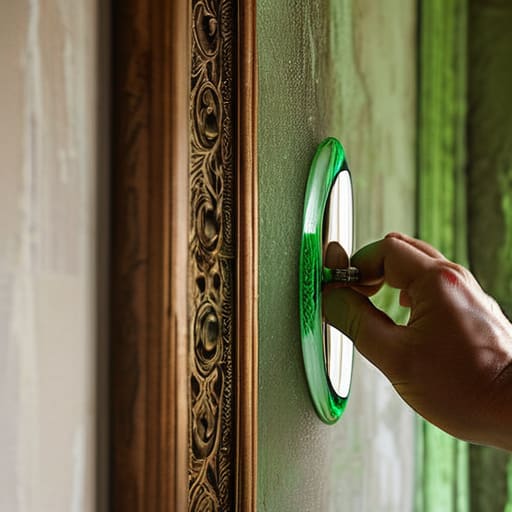
At the end of the day, hanging a heavy mirror isn’t about having the most expensive tools in the shed; it’s about having the patience to do it right the first time. You’ve checked the weight, you’ve found your studs, and you’ve made sure those wall fixings are up to the task of holding something that heavy. Don’t be tempted to skip the level check just because you’re tired of squinting at the wall. I’ve seen enough crooked frames in old cottages across the valley to know that a mirror that’s just a fraction off will end up driving you mad every single time you walk past it. Take the extra minute to ensure that bracket is dead certain before you let go.
Once it’s finally secure and level, try not to spend the rest of the afternoon hovering over it with a spirit level. A house is meant to be lived in, not just inspected like a property survey. A well-placed mirror does more than just reflect the light in a hallway; it makes a room feel like it finally belongs to you. Whether it’s a heavy gilt piece found at a local auction or something modern you’ve saved up for, it’s about making your space feel properly settled. Now, put the drill away, grab a cup of tea, and enjoy the view.
Frequently Asked Questions
What if I've got a solid masonry wall instead of a stud wall, and what kind of plugs should I be using then?
If you’re dealing with solid masonry—likely those sturdy Victorian brick walls or flint common around here—you can stop hunting for studs. Instead, you’ll need a good drill with a masonry bit and some proper wall plugs. Don’t bother with those cheap, flimsy plastic ones that come in a multipack; get yourself some Fischer plugs or even some heavy-duty nylon ones. They bite into the stone much better, ensuring that mirror stays exactly where you put it.
How do I know if my floorboards or joists can actually take the weight if I'm leaning a large mirror against the wall instead of hanging it?
If you’re leaning a heavy mirror rather than hanging it, you’re putting a concentrated load on a single point. I’ve seen many a Victorian floorboard groan under less. First, check for “bounce”; if the floor feels springy, your joists might be undersized or spaced too far apart. Don’t just trust the surface—tap the boards. If they sound hollow or feel thin, you’re better off finding a joist to brace against rather than risking a crack.
If the mirror is slightly wonky or uneven, is there a way to level it without having to drill a dozen new holes in the plaster?
You don’t need to go drilling more holes; that’s a quick way to end up with a wall full of dust and regret. If it’s sitting a millimetre or two off, just grab some adhesive foam pads or even a bit of folded cardboard. Tuck them behind the bottom corners of the frame. It’s a simple shim, much like what we use to steady a wonky table, and it’ll level the thing out perfectly.