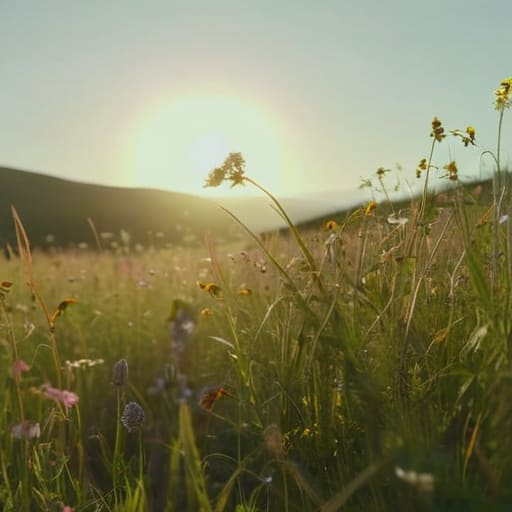
I was out by the old flint wall near the bottom of Church Lane yesterday—the one we finally patched up back in ’94—trying to get a bit of work done before the rain set in. I’d only been out for twenty minutes before my eyes started watering like a leaky tap and my nose felt like it had been stuffed with wool. It’s a nuisance, and frankly, I’m tired of seeing those glossy magazine adverts suggesting you need a high-tech, expensive air filtration system or a specific diet to fix it. If you’re looking for a miracle cure in a fancy bottle, you’re wasting your money; the real secret to how to manage hay fever isn’t found in a marketing department, but in a bit of common sense and knowing which way the wind is blowing.
I’m not going to bore you with medical jargon or tell you to buy things you don’t need. Instead, I’m going to share what I’ve actually tried during my years in this village, from the best time to hang the laundry to which local pharmacy actually stocks the decent stuff. I’ll give you the straight truth on practical, no-nonsense methods to keep your head clear and your eyes bright, so you can actually enjoy the garden without feeling like you’re in the middle of a dust storm.
Table of Contents
- Practical Steps for Reducing Pollen Exposure at Home
- Finding Real Allergic Rhinitis Relief When Youre Struggling
- A few sensible bits of advice for when the air gets heavy
- A few final thoughts for the season
- A bit of common sense for the season
- A bit of perspective for the season
- Frequently Asked Questions
Practical Steps for Reducing Pollen Exposure at Home

Once you’ve accepted that the season is upon us, the first thing you must do is treat your house like a fortress. I’ve spent many a morning watching the dust motes dance in the light of my study—a room in a cottage built, I believe, around 1840—and realized they aren’t just dust; they’re pollen. To start reducing pollen exposure, keep your windows shut, especially during the early morning and evening when the counts are highest. If you’re running the air conditioning, ensure the filters are clean, otherwise, you’re just circulating the very thing you’re trying to avoid.
When you do come in from a walk along the lanes, don’t just drop your keys and head for the kettle. I make a point of changing my clothes immediately and having a quick shower to wash the grit from my hair. It sounds a bit fussy, but it’s essential for eye allergy management and keeping your bedding clean. If you have pets, give them a wipe-down too; they act like little walking sponges for everything floating in the air. It’s these small, repetitive habits that make the most difference to your comfort.
Finding Real Allergic Rhinitis Relief When Youre Struggling
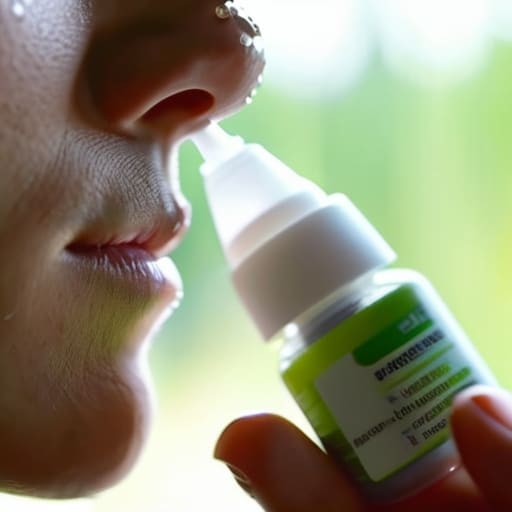
When the itching gets to that point where you can’t focus on anything—not even a decent bit of gardening—you have to move beyond just closing the windows. I’ve found that if you’re really struggling, you need to look at actual allergic rhinitis relief rather than just hoping it passes. I usually suggest a trip to the chemist, but don’t just grab the first brightly coloured box you see. I’ve tried several, and in my experience, the nasal spray effectiveness varies wildly depending on whether you’re dealing with a sudden spike or a long, drawn-out season.
If your eyes are the main problem, you’ll need to look into specific eye allergy management; those standard antihistamine tablets often leave you feeling a bit too drowsy to do much more than stare at the television. I’ve even seen folks swear by cold compresses, which is a bit old-fashioned, but it certainly takes the sting out of a long afternoon in the fields. It isn’t a permanent fix, mind you, but it’s better than sitting there with your eyes streaming like a broken tap.
A few sensible bits of advice for when the air gets heavy
- Watch the weather reports, but don’t just look at the rain; if the wind is picking up from the east, that’s usually when the pollen counts jump, so try to keep your walks to the early morning or late evening when the air is a bit more settled.
- If you’ve been out working in the garden or walking the dog along the lanes, don’t sit on the sofa straight away; get yourself into the shower and change your clothes, otherwise you’re just bringing the whole field into your living room.
- I know it feels like a waste of heat, but keeping the windows shut during the peak afternoon hours makes a massive difference to how much grit you feel in your eyes by tea time.
- If you use a car to get to the shops or the station, check your cabin air filter; I’ve seen plenty of people struggling with symptoms only to realise they’ve got a dusty old filter acting like a pollen trap right under their nose.
- Don’t go buying every expensive spray on the chemist’s shelf at once; start with the basics, like a simple saline nasal rinse, and give it a week to work before you start spending a fortune on the fancy stuff.
A few final thoughts for the season
Keep your windows shut during the early morning and evening when the counts are highest; it’s better to have a stuffy room than a throat full of grit.
Don’t wait until you’re squinting and sneezing to start your antihistamines; if you know the season is coming, get ahead of it by a few days.
When you get back from a walk through the fields, get the clothes off and have a wash immediately to stop the pollen from hitching a ride onto your pillows.
A bit of common sense for the season
I’ve spent thirty years looking at the way wind moves through these valleys, and I can tell you that no amount of expensive nasal spray will do much good if you’re still leaving the windows wide open to the hedgerows at dawn; you have to respect the pollen count as much as you respect a damp rising wall.
Gordon Ellery
A bit of perspective for the season
At the end of the day, managing this lot comes down to a bit of common sense and a lot of patience. Whether it is keeping the windows shut during the peak of the morning, washing your hair after a walk through the meadow, or finally getting around to those antihistamines, it is all about reducing the load on your system. I have spent many a summer afternoon looking at damp masonry and thinking about structural integrity, but even the strongest cottage cannot withstand a constant assault from the local flora. It is a matter of managing the environment you live in, rather than trying to fight the entire countryside.
It can be a miserable few weeks, I know, and there is nothing quite as frustrating as feeling like a prisoner in your own sitting room while the sun is out. But do remember that the seasons move on, just as they always have. Before you know it, the heavy pollen counts will drop, the air will clear, and we will be looking toward the autumn harvest instead. Until then, keep your head up, keep your windows closed, and don’t let the sneezing ruin your spirit; we will all be walking the lanes together again soon enough.
Frequently Asked Questions
Are there any particular types of trees or plants in our local gardens that I should keep an eye on during certain months?
It’s mostly the birch trees that get you. There’s a stand of them near the old mill, and when they hit their stride in late April, they’ll have you sneezing before you’ve finished your first cup of tea. Keep an eye on the privet hedges in the gardens around the village too; they’re quite heavy on the pollen in mid-summer. If you see them flowering, keep those windows shut tight.
Will keeping the windows shut at night really make a difference if the pollen is already in the house?
It makes a significant difference, though it isn’t a magic fix. If you’ve left the windows wide open all afternoon, you’ve already invited the pollen in, and it’ll be sitting on your duvet like invisible dust. However, shutting them at night stops the fresh evening breeze from depositing even more into your bedroom. I’d suggest a quick vacuum and a change of sheets; otherwise, you’re just sleeping in a cloud of it.
If I'm out walking the dog or working in the garden, is there anything I can do to stop the symptoms from hitting me immediately?
If you’re out in the garden or walking the dog down by the stream, the pollen is going to find you. I’ve learned the hard way that once you’re out there, you can’t escape it, but you can manage the damage. Keep the dog from shaking pollen all over the sofa when you get back, and if you can, wear sunglasses to keep the grit out of your eyes. It won’t stop the sneezing, but it helps.