
I was out by the old flint wall behind the parish hall last Tuesday—the one we put up in ’84 after the frost took the previous boundary—when I felt that familiar, nagging itch in my chest. It wasn’t a medical emergency, just that old, hollow craving that makes you want to reach for a packet even when you know better. Most of the glossy pamphlets you see in the chemist’s window make how to quit smoking sound like a matter of willpower or some expensive, high-tech patch that costs more than a decent bag of cement. They talk about “lifestyle transformations” as if you’re moving to the coast, when really, it’s just about surviving the ten minutes between your morning tea and the postman arriving.
I’m not going to give you a lecture on lung capacity or some grand medical theory that ignores the reality of a Tuesday afternoon. What I am going to do is tell you how I actually managed it, without the nonsense. I’ll share the practical, boots-on-the-ground methods that worked for me when the cravings felt as heavy as a damp foundation. This isn’t about perfection; it’s about the steady, incremental work of reclaiming your breath.
Table of Contents
Managing Withdrawal Symptoms When the World Feels Heavy

Managing withdrawal symptoms when the world feels heavy
There is a particular kind of irritability that sets in around day four, a sort of low-level static in the brain that makes even a simple chat over the garden fence feel like a chore. I remember thinking that if the postman was five minutes late, I might well lose my temper entirely. When you are managing withdrawal symptoms, the world doesn’t just feel different; it feels louder and more abrasive. It isn’t a matter of willpower alone; it is a physiological shift where your nervous system is essentially throwing a tantrum because its usual crutch has been removed.
The trick, I found, was not to fight the heaviness but to work around it. On those afternoons when the craving felt like a physical weight in my chest, I stopped trying to “think” my way out of it. Instead, I focused on small, tactile distractions. Sometimes that meant getting out into the garden to clear a patch of brambles, or simply making a cup of tea and sitting by the window. You have to accept that overcoming nicotine addiction is a messy, non-linear process. Some days you will feel like a new man, and others, you will just feel tired. Both are part of the job.
Overcoming Nicotine Addiction Through Real Daily Lived Experience
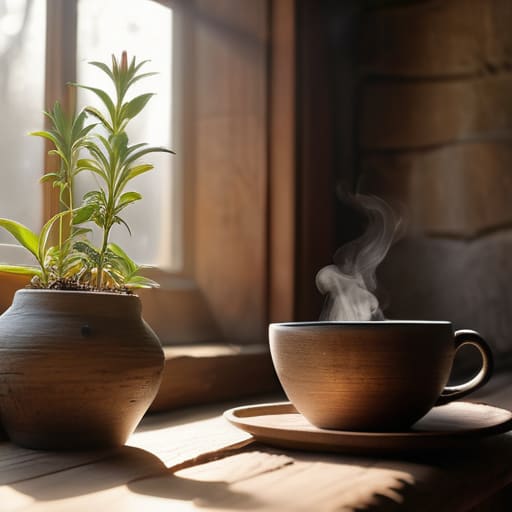
It isn’t found in a glossy brochure or a lecture from a doctor you’ve never met; it’s found in the small, quiet victories of a Tuesday afternoon. I remember when I finally put the pack down—it wasn’t a sudden epiphany, but a series of decisions made while walking the perimeter of the old rectory, which, for those wondering, dates back to 1842. You realise that overcoming nicotine addiction is less about willpower and more about changing the scenery of your habits. If you always reached for a cigarette while waiting for the kettle to boil, you suddenly find yourself staring at the wall, wondering what else to do with your hands.
You have to look at the practical side of things. Some people swear by various smoking cessation methods like patches or gum, and there is certainly no shame in using them to steady the ship. For me, it was about finding a new rhythm. I started taking the long way around the village green, a walk that takes me exactly twenty-two minutes, just to keep the mind occupied. It’s about the daily, unglamorous grit of choosing a different path when the craving hits.
A few practical ways to keep your feet on the ground
- Don’t try to overhaul your whole life on a Tuesday. If you usually have a cigarette after the evening news or while waiting for the kettle to boil, don’t try to change your entire routine at once. Just change the action. If you’re standing by the sink, go sit in the garden instead. It’s about breaking the physical rhythm of the house, not just the chemical one.
- Keep your hands busy with something that doesn’t involve a lighter. I’ve found that when I’m out in the garden working on those dry stone walls, the physical task keeps the mind from wandering toward the craving. If you aren’t gardening, even a bit of woodwork or something as simple as a jigsaw can stop that restless feeling in your fingers.
- Watch your triggers like you’d watch a surveyor inspect a damp rising wall. You need to know exactly where the trouble spots are. Is it the pub on a Friday night? Is it the drive home from the shops? Once you identify the specific moment the urge hits, you can plan a detour. If the pub is the problem, walk the long way round the village green instead.
- Get some proper air in your lungs, but don’t make it a chore. I’m not talking about those fancy breathing exercises you see in magazines. I mean just getting out for a proper walk. If you take the path from the bottom of the lane up to the old church—it’ll take you about twenty minutes if you keep a steady pace—the fresh air does more for your head than any bit of advice I can give you.
- Find someone who won’t give you a lecture. You don’t need a doctor telling you about lung capacity; you need a neighbour who knows what it’s like to struggle. Having someone you can call just to say, “I’m having a difficult afternoon,” is worth more than any nicotine patch you’ll find in the chemist.
A few things to keep in your pocket
Don’t look for a sudden, clean break; look for the small, quiet victories, like making it through a Tuesday morning without reaching for the lighter.
Treat your cravings like a sudden downpour on a country lane—it’ll be heavy and unpleasant for a bit, but if you just wait it out, the road eventually clears.
Surround yourself with people who don’t make it a “thing”; you need neighbours who offer a cup of tea or a bit of distraction, not a lecture on lung health.
The real work of it
Quitting isn’t a grand architectural feat or a sudden change in the landscape; it’s more like fixing a crumbling dry stone wall. You don’t do it all at once with a crane. You do it one small, stubborn stone at a time, often when your hands are shaking and you’d rather be doing anything else, until one morning you look back and realize the structure is finally holding itself up.
Gordon Ellery
Looking at the long view
It isn’t going to be a straight line, and I won’t sit here and tell you it will be easy. We have talked about the heavy mornings when the withdrawal makes your head spin, and the importance of finding something real to do with your hands when the craving hits. It’s about those small, practical shifts—the way you change your morning routine or how you handle a bit of stress without reaching for a packet. Quitting isn’t some sudden, miraculous transformation; it is a series of small, deliberate choices made every single day, often when you least feel like making them. It is about weathering the storm until the air finally starts to taste clean again.
I spent thirty years looking at the bones of houses, assessing what was solid and what was merely surface-level. A person is much the same. You might feel a bit shaky or unfinished right now, but that is just the renovation process. You are stripping away the old, crumbling layers to find something much more sturdy and resilient underneath. Don’t worry about next month or even next week; just focus on getting through the next hour. If you keep showing up for yourself, one day you’ll look back and realise that the foundation is finally set, and you are standing on much firmer ground than you ever did before.
Frequently Asked Questions
What do I actually do with my hands when the urge hits during a long drive or a quiet evening?
When that itch starts, you need something tactile, not just a distraction. On those long drives down the A303, I found keeping a bag of salted peanuts in the passenger seat worked—it gives your hands and mouth something to do without the fuss. For quiet evenings, I’ve taken to fiddling with a piece of scrap timber or even a heavy stone from the garden. If your hands are busy working a texture, the craving usually passes.
Are those nicotine patches and gums worth the money, or am I just throwing good cash after bad?
I’ve seen plenty of folks at the parish meetings try everything from patches to gums. Look, if you’re asking if they’re a magic fix, they aren’t. But if you’re looking at it like a structural repair, they’re more like scaffolding—they hold things steady while you do the real work. They aren’t cheap, mind you, but they’re often less expensive than a lifetime of lung trouble and a habit that refuses to budge.
How do I deal with the old habits, like having a cigarette with my morning tea or after a heavy meal?
It’s those little rituals that trip you up. I remember a client in Chawton—built in 1840, lovely stone, but the damp was a nightmare—who couldn’t finish his breakfast without a light. You have to break the pattern. If you always have a cigarette with your tea, swap the tea for something else, or move your chair to the other side of the room. Change the scenery, even if it’s just by three feet.