
I was out near the old stone boundary on the edge of the parish last Saturday, trying to mend a section of wall that’s been leaning since the heavy rains of ’98. I’ve spent forty years walking through damp cellars and over uneven flint paths, and I can tell you that most of the advice you see in those glossy magazines about how to look after your knees is absolute nonsense. They’ll try to sell you expensive braces or some fancy, high-tech gel that costs more than a decent bag of cement, but they never mention the simple reality of how your body actually reacts to a steep incline or a bit of gravel.
I’m not here to peddle gadgets or suggest you start running marathons in your seventies. What I want to do is share what I’ve learned from decades of being on my feet, from the practicalities of choosing the right footwear to the small, daily habits that keep you from hobbling like an old gate hinge. I’ll give you the straight talk on what actually works when the walking gets long and the ground gets rough, based entirely on what I’ve felt in my own joints.
Table of Contents
Preventing Knee Injuries Before the Terrain Gets Tough
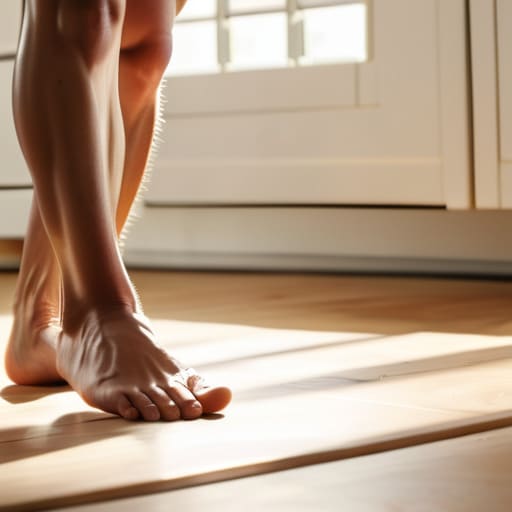
You don’t need to be training for a marathon to start thinking about this; you just need to be able to walk from the village green to the post office without feeling like your joints are filled with gravel. I’ve found that most trouble starts when we neglect the muscles that act as the body’s natural shock absorbers. If you aren’t actively strengthening quadriceps and hamstrings, you’re essentially asking your bone structure to do all the heavy lifting, and that’s a recipe for a breakdown. I usually suggest a few simple squats or lunges in the kitchen while the kettle is boiling—it’s small, but it builds the foundation.
It’s also worth looking at what you’re actually standing on. I’ve seen many a well-meaning walker ruin a perfectly good afternoon by wearing trainers that have seen better decades. Investing in proper footwear for knee support isn’t about vanity; it’s about stability on those tricky, uneven lanes near the old mill. If your shoes are worn thin on one side, they’ll pull your alignment out of whack, and you’ll feel it by the time you reach the bottom of the hill.
The Truth About Proper Footwear for Knee Support
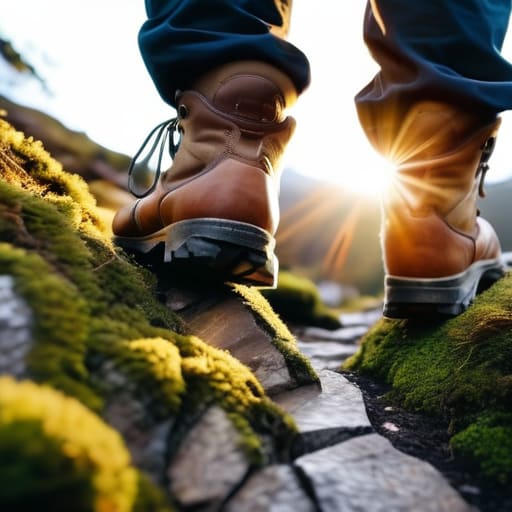
I’ve spent many a Saturday morning surveying old flint cottages on the edge of the downs, and I can tell you that the ground is rarely as level as it looks on a map. If you’re walking those same uneven tracks, your shoes are the only thing standing between a pleasant stroll and a trip to the GP. I see far too many people walking around in trainers that have seen better days—soles worn thin as a wafer—thinking they’re doing fine. The truth is, once that cushioning is gone, your joints take the brunt of every stone and root. Investing in proper footwear for knee support isn’t about fashion; it’s about ensuring your stride remains stable when the path gets tricky.
It isn’t just about the cushion, either; it’s about how the shoe handles the terrain. A shoe that’s too heavy or lacks lateral stability will force your legs to compensate, often leading to a dull ache that lingers long after you’ve sat down with a cup of tea. If you want to focus on knee joint longevity, you need a pair that holds your heel firmly and respects the natural roll of your foot. It might feel like a bit of an outlay at the shop, but it’s much cheaper than dealing with the fallout of a misstep.
A few practical ways to keep the hinges greased
- Don’t ignore the strength of your thighs; if the muscles around the joint go soft, the bone takes the brunt of every step, and that’s a recipe for trouble on the village incline.
- Keep an eye on your weight, because every extra pound you carry acts like a heavy rucksack on your kneecaps every time you step off a kerb.
- Listen to the niggles rather than pushing through them; if a joint feels hot or stiff after a walk down towards the valley, it’s telling you to sit down and rest, not to power through to the pub.
- Make sure you’re staying hydrated, as the fluid that cushions your joints needs water to work properly, much like the mortar in a well-laid wall.
- Incorporate a bit of gentle movement every day, even if it’s just a slow stroll to the post office, to keep the circulation moving and the joints from seizing up like an old garden gate.
A few things to keep in mind before your next stroll
Don’t wait for a sharp twinge to start paying attention; by the time the pain is constant, you’ve already missed the window for easy fixes.
Strength isn’t just about big muscles, it’s about the small ones around the joint that keep you steady when you’re stepping off a bus or navigating a muddy lane.
Listen to your body when it tells you to slow down, because a bit of rest today is much better than being stuck on the sofa for a month.
A bit of respect for the joints
I’ve spent enough years walking the bridleways between Hungerford and Marlborough to know that your knees aren’t like a new roof; you can’t just patch them up once they’ve given way. You have to treat them with a bit of respect every single day, or they’ll be the ones deciding whether you’re making it to the pub or staying in the armchair.
Gordon Ellery
A final word on the long walk ahead
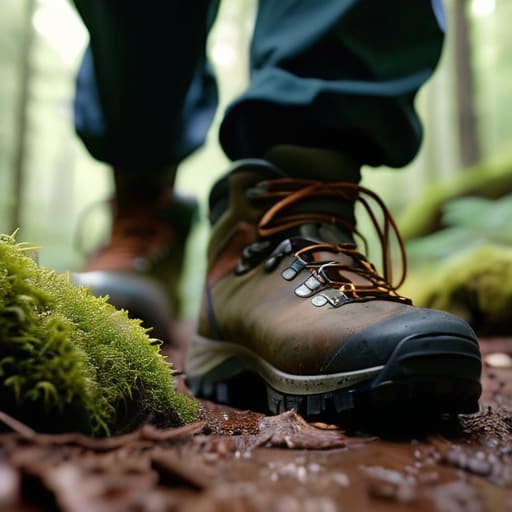
At the end of the day, looking after your joints isn’t about following some complicated medical manual; it’s about common sense and a bit of preparation. We’ve talked about why you can’t just ignore the warning signs, the importance of having a sturdy pair of boots that actually grip the mud, and why you shouldn’t wait for a sharp pain before you start thinking about strength. If you take care of the small things—the right shoes, a bit of regular movement, and listening when your body tells you to slow down—you’ll find you can avoid a lot of the unnecessary grit that comes with age. It’s much easier to maintain a well-built wall than it is to rebuild one that has completely crumbled into the ditch.
I’ve walked many a mile through these lanes, from the steep climbs near the old mill to the uneven tracks behind the church, and I can tell you that the goal isn’t to stop moving. The goal is to keep moving for as long as possible. Don’t let a bit of stiffness become an excuse to stay indoors and watch the weather from the armchair. Keep your stride steady, respect the terrain, and keep your eyes on the path. There is far too much beauty in our countryside to see it only through a window, and I intend to see it all, provided my knees allow me the privilege.
Frequently Asked Questions
If my knees are already clicking and creaking, is it too late to start being careful?
Not by a long shot. I’ve seen plenty of folks in the parish who’ve been walking with a bit of a rattle in their joints for years, and they’re still out on the trails. It isn’t about fixing them back to how they were in 1974; it’s about management. If you start being mindful of the load you’re carrying and how you step, you can certainly stop the creaking from turning into a proper ache.
Is there any point in buying expensive walking boots if I’m only sticking to the flat village paths?
Not if you’re just sticking to the tarmac or the level paths by the old mill. If your wanderings are limited to the village lanes, a sturdy pair of trainers or a decent walking shoe will do you just fine. You don’t need to spend a fortune on heavy, ankle-high leather boots unless you’re planning to tackle the muddy tracks up towards the ridge. Save your money for the local pub instead.
How much of this is just down to getting older, and how much can I actually do about it?
It’s a bit of both, if I’m being honest. I’ve seen plenty of folks reach sixty and think the creaking is just part of the machinery wearing down. And yes, the cartilage doesn’t bounce like it did in 1985. But a lot of that stiffness comes from neglect. If you keep the muscles around the joint strong and don’t let them go soft, you can certainly stave off the worst of it.