
I was sitting in the garden last Tuesday, watching the light fade over the old stone wall I’ve been trying to mend since 2014, when I realised I was too tired to even hold a trowel. It’s a frustrating thing, isn’t it? You spend half your life working to afford a decent house, only to spend the other half staring at the ceiling of it, wondering how to sleep better while your mind races through every decision you made since the late nineties. I’ve seen enough people buy expensive, glowing gadgets and scented oils that cost more than a decent set of drafting tools, but none of that nonsense will fix a restless mind.
I’m not here to sell you a subscription to a meditation app or a silk eye mask that costs forty quid. What I want to do is share what actually works for me, based on practical habits and the kind of common sense you’d expect from someone who has spent thirty years looking at the structural integrity of things. We’ll look at the environment of your room, the rhythm of your day, and why sometimes the best thing you can do is simply put the phone away and let the house settle around you.
Table of Contents
- Circadian Rhythm Regulation and the Rhythm of a Real Day
- Melatonin Production Naturally Through the Simple Habits of Home
- A few practical ways to settle the mind before the lights go out
- A few things to keep in mind before you turn out the light
- The foundation of a good night
- Getting it right for the long run
- Frequently Asked Questions
Circadian Rhythm Regulation and the Rhythm of a Real Day
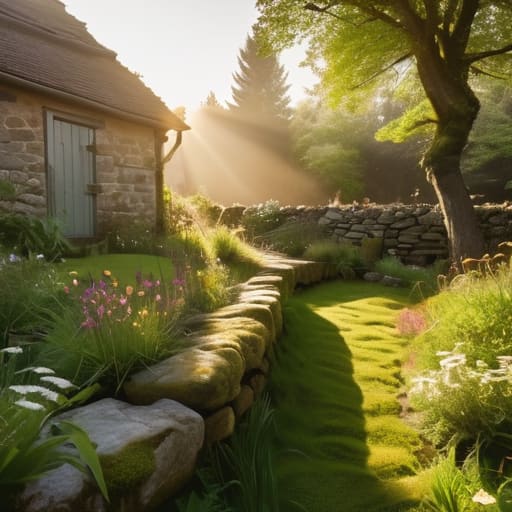
It’s a bit like the old stone walls I tinker with on the weekends; if you don’t set the foundation correctly, the whole structure starts to lean. Our bodies have a similar internal clock, what the doctors call circadian rhythm regulation, and it relies heavily on the natural movement of the sun. I’ve noticed that on the days I’m out in the garden before ten, I’m far more likely to be tucked in by ten o’clock that night. It’s about signaling to your system that the day has actually begun.
The trouble often starts when we bring the outside world into the bedroom. I’m not one for shouting about every new gadget, but the blue light exposure effects from staring at a smartphone late at night are real enough. It tricks your brain into thinking it’s still midday in July, which completely disrupts your ability to trigger melatonin production naturally. If you want to settle down, you’ve got to stop fighting the dusk. Put the screen away, dim the lamps, and let your body realise that the working day is officially over.
Melatonin Production Naturally Through the Simple Habits of Home
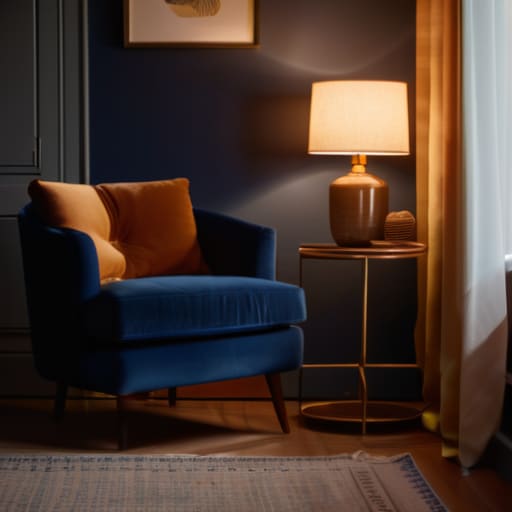
I’ve spent many an evening sitting in the lounge, thinking I was relaxing, only to find myself wide awake at 2:00 AM. The problem, I’ve come to realise, is often the environment we’ve built around ourselves. We tend to flood our rooms with harsh, overhead lighting that mimics the midday sun, which is a bit of a disaster for melatonin production naturally. If you want your brain to understand that the day is done, you need to stop treating your living room like a surgery ward. I’ve found that switching to lower, warmer lamps about an hour before bed does more for the mind than any expensive herbal tea ever could.
It isn’t just about the lamps, though; it’s the screens, too. We’ve all been guilty of scrolling through the news on a tablet while tucked under the duvet, but the blue light exposure effects are real enough to keep your internal clock spinning in circles. I make it a point now to leave the phone in the kitchen—near the clock that actually tells the time—and let the house settle into a proper, dim quiet. It takes a bit of discipline, but a bedroom that feels like a sanctuary, rather than a bright office, is worth the effort.
A few practical ways to settle the mind before the lights go out
- Watch what you’re drinking after the sun goes down. I’ve seen plenty of people think a late glass of sherry helps them drift off, but it usually just leads to a restless middle of the night. Stick to water or perhaps a bit of herbal tea; you want your body settling, not working overtime to process something else.
- Keep the bedroom temperature sensible. I remember valuing an old Victorian terrace near Salisbury where the owners had the heating cranked up to eighty degrees in the bedroom. It’s a mistake. You want a room that’s cool and slightly draughty—not quite a cellar, mind you—to help your body temperature drop naturally.
- Treat your bed like a place for rest, not a secondary office. If you spend your afternoons sitting on the duvet with a laptop or a stack of bills, your brain starts to associate that space with stress. I’ve always found that if you keep the “work” in the sitting room, the bedroom remains a sanctuary.
- Get a handle on the light. We aren’t meant to be staring at glowing screens until ten o’clock at night. That blue light from a phone mimics the midday sun and confuses your internal clock. Put the device in another room an hour before you intend to sleep; the news will still be there in the morning.
- Establish a predictable wind-down ritual. It’s much like preparing a site for inspection; you don’t just rush in, you follow a process. Whether it’s reading a proper book—paper, not a tablet—or just a bit of quiet sitting, doing the same thing every night tells your system that the day is officially done.
A few things to keep in mind before you turn out the light
Stop looking for a magic pill or a high-tech gadget; real rest comes from the boring, steady rhythm of getting up and going to bed at roughly the same time every day.
Treat your bedroom like a sanctuary, not a storeroom; keep it cool, keep it dark, and make sure it’s a place for sleeping rather than a place for catching up on the news.
Watch what you’re putting in your system after sunset, because that late-afternoon coffee or that heavy evening meal will catch up with you when you’re staring at the ceiling at 3:00 AM.
The foundation of a good night
I’ve spent thirty years looking at the foundations of houses, and I’ve learned that if the base is wonky, the whole structure suffers; sleep is no different. You can buy all the expensive gadgets in the world, but if you haven’t sorted the basic rhythm of your day and the quiet stillness of your bedroom, you’re just trying to build a sturdy roof on shifting sand.
Gordon Ellery
Getting it right for the long run
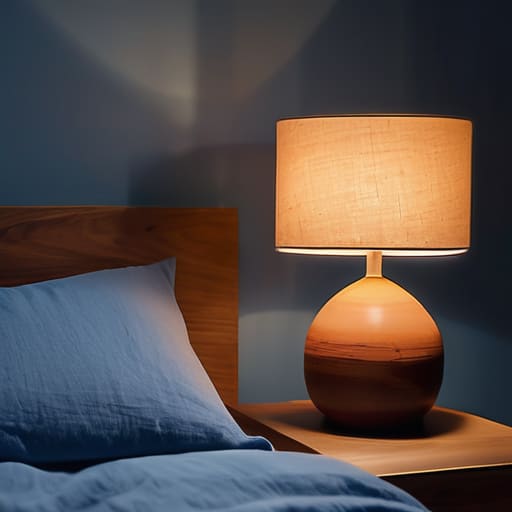
We’ve covered a fair amount of ground, from the way the light hitting your windows at ten in the morning can dictate how you feel at ten at night, to the simple necessity of keeping your bedroom a sanctuary rather than a second office. It isn’t about buying the most expensive weighted blanket or some high-tech sensor that promises to track your REM cycles to the millisecond. It’s about the small, consistent adjustments—the steady rhythm of your day and the way you prepare your home for the dark. If you can manage to get your light exposure right and keep your sleeping space cool and quiet, you’ve already done ninety percent of the heavy lifting.
I’ve spent forty years looking at the bones of houses, and I’ve learned that a building only stays sound if the foundations are solid. Sleep is much the same. You can’t expect to feel steady on your feet if you haven’t given yourself the chance to properly reset. Don’t feel you have to overhaul your entire life by Monday morning; just pick one habit, like turning off the telly an hour earlier, and see how it sits with you. At the end of the day, a good night’s rest isn’t a luxury we earn, it’s the very thing that allows us to show up for the people and the places that matter.
Frequently Asked Questions
If I’ve lived in this draughty old cottage for twenty years, can I actually change the temperature of the room enough to make a difference?
I’ve spent twenty years measuring the damp in these old cottages, and I can tell you: yes, you can make a difference, but you won’t do it with a thermostat alone. If your walls were built before 1920, they’re breathing more than they should. Heavy curtains—the thick, velvet sort, not those flimsy things—can drop a room’s temperature by a degree or two. It’s about managing the draughts, not just heating the air.
Does it really matter if I take a nap in the afternoon, or will that just ruin my chances of settling down properly at ten o'clock?
Now, I’ve seen many a person try to “recharge” with a mid-afternoon snooze, only to find themselves wide awake at ten when the village has gone silent. If you must nap, keep it brief—twenty minutes, no more. Think of it like a quick survey of a plot; you want to see the lay of the land without setting up camp. Anything longer and you’ll find your internal clock has gone completely out of alignment.
I’ve heard people talking about herbal teas and supplements, but is there any real substance to them, or is it all just marketing?
Now, I’m no doctor, but I’ve seen enough folks in the village pharmacy aisle to know there’s a bit of both. A cup of chamomile won’t fix a structural issue with your schedule, but it’s a fine way to signal to your brain that the day is done. As for the expensive supplements, be careful; most of that is just clever packaging. Stick to the basics before you start buying the cupboard full.