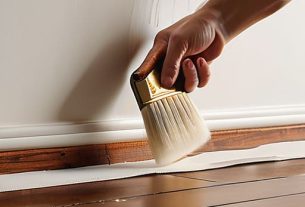
I remember standing in a Victorian terrace over in Chawton back in ’94, looking at a homeowner who had just spent three thousand pounds on “specialist” anti-mould sprays that did nothing but mask the smell for a fortnight. He looked at me like I was the intruder, but the truth was, he was fighting a losing battle against a house that simply couldn’t breathe. Most people think how to treat damp walls involves buying the most expensive chemical concoction on the shelf, but after thirty years of surveying, I can tell you that’s usually just throwing good money after bad. If you don’t understand why the moisture is there in the first place, you’re just decorating a disaster.
I’m not here to sell you any magic potions or expensive, unnecessary contractors. What I want to do is sit down with you and look at the actual bones of your home, whether it’s a rising damp issue in an old flint cottage or a simple condensation problem in a newer build. I’ll tell you exactly how to treat damp walls using practical, sensible methods that actually last. We’ll talk about ventilation, lime mortars, and why that new plastic emulsion you just bought might be the very thing suffocating your walls.
Table of Contents
- Spotting the Signs of Penetrating Damp and Salt Contamination
- The Real Remedies for Black Mould on Walls
- Five things I’ve learned from decades of looking at too many wet walls
- A Few Things to Keep in Mind
- ## The mistake most people make
- A Final Word Before You Pick Up the Brush
- Frequently Asked Questions
Spotting the Signs of Penetrating Damp and Salt Contamination
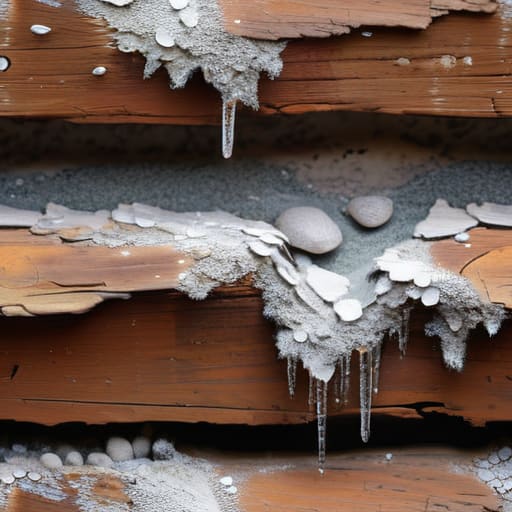
You don’t need a degree to see when a house is struggling; you just need to use your eyes. I’ve spent many a Tuesday inspecting cottages in the valley, and the first signs of penetrating damp are usually the most obvious. Look for those dark, blooming patches that appear right after a heavy downpour, or perhaps a damp streak running down from a window sill that wasn’t seated properly back in the 1970s. If the plaster feels soft to the touch, or if you notice a white, powdery crust blooming on the brickwork, you’re likely dealing with salt contamination in masonry. That salt is essentially the building’s way of telling you that moisture is moving through the very bones of the structure, carrying minerals with it as it goes.
It isn’t just about a bit of wet plaster, though. If you start seeing those little black specks in the corners of the ceiling, you aren’t just looking at a cleaning job; you’re looking at a symptom of poor airflow. While many people hunt for quick remedies for black mould on walls, they often miss the fact that the mould is just a passenger in a house that can’t breathe.
The Real Remedies for Black Mould on Walls
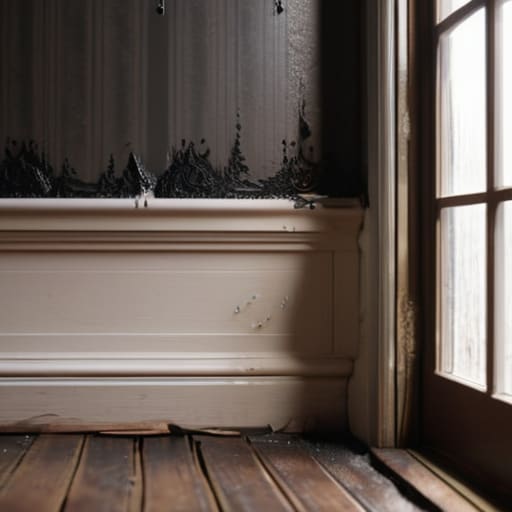
Now, once you’ve cleared that black mould away—and I mean scrubbed it off properly, not just wiped it with a damp cloth—you have to deal with the fact that it’ll be back if you don’t change the air. Most people reach for a spray bottle and call it a day, but that’s just masking the symptom. If you want actual remedies for black mould on walls, you have to look at the airflow. I’ve seen plenty of lovely Victorian terraces in the village where the owners have sealed everything up tight to keep the heat in, only to find the corners turning black by mid-winter.
The real fix usually comes down to improving home ventilation. If you can’t get a decent cross-breeze through the rooms, you need to look at trickle vents in your windows or perhaps a humidistat-controlled extractor fan in the wet rooms. It’s about managing the moisture before it settles. If you find that the mould keeps returning to the exact same spot despite your best efforts, you might be looking at something more structural, like a failure in the original damp proofing, but let’s start with the air first.
Five things I’ve learned from decades of looking at too many wet walls
- Stop buying those cheap, supermarket-grade “mould sprays” that smell like a swimming pool; they might kill the spores on the surface, but they don’t touch the root of the problem, and you’ll find yourself spraying the same corner every three months.
- If you’ve got a room that stays cold and clammy, check your ventilation—I’ve seen plenty of old cottages where the owners have blocked up the air bricks to stop a draught, only to find they’ve essentially turned their living room into a terrarium.
- Don’t go pushing heavy furniture right up against an external wall; I once valued a lovely mid-Victorian terrace where the owner had a massive oak sideboard hugging the north wall, and it had trapped enough moisture behind it to rot the skirting boards solid.
- If you see white, powdery crystals creeping out of the plaster, that’s salt contamination, and you can’t just wipe it away—you need to treat the source of the water first, otherwise those salts will keep blooming through your new paintwork like a bad habit.
- Before you go spending a fortune on professional tanking or specialist membranes, do a bit of walking around the outside of your house; half the time, a blocked gutter or a cracked downpipe near the foundation is the real culprit behind that damp patch in the hallway.
A Few Things to Keep in Mind
Don’t go chasing the symptoms with a bit of bleach and a fresh coat of paint; if you haven’t found the source of the water—be it a cracked gutter or a faulty rising damp course—you’re just masking a problem that’s going to cost you much more in the long run.
If you see white, crusty patches on your plaster, that’s salt contamination, and it means the moisture has been travelling through your masonry for some time; it’s a sign that the wall needs to breathe, not be smothered in modern, plastic-based emulsions.
Always check the external state of your property first, from the pointing on your brickwork to the condition of your roof tiles, because most of the trouble inside your sitting room actually starts outside in the wind and rain.
## The mistake most people make
I’ve seen plenty of folks try to hide a damp patch with a fresh coat of expensive emulsion, but you can’t tidy up a problem that’s living inside the masonry; if you don’t find out whether it’s a blocked gutter or a failed pointing job first, you’re just painting a lie.
Gordon Ellery
A Final Word Before You Pick Up the Brush
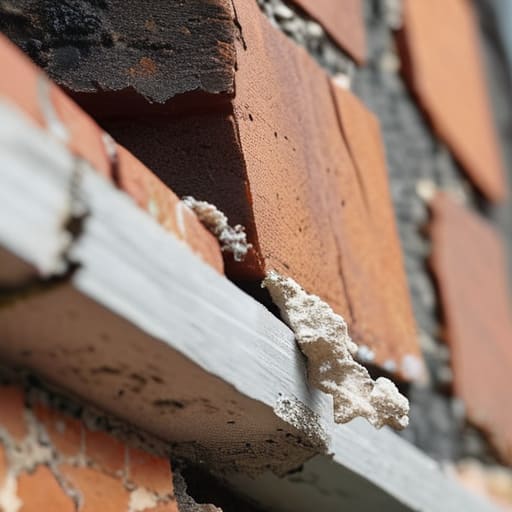
If you have followed this through, you will know that treating a damp wall is rarely as simple as a quick trip to the local DIY shop for a tin of sealant. You have to look at the root of the trouble, whether that is a cracked render from the late nineties or a guttering system that hasn’t been cleared since the last Jubilee. Remember, you cannot just mask the problem with a fresh coat of emulsion; you must address the source of the moisture and ensure the salts are dealt with, otherwise, you are just throwing money down a drain. It takes a bit of patience and a bit of elbow grease, but doing it right the first time saves you a much larger headache when the damp inevitably tries to return next winter.
At the end of the day, our homes are more than just bricks and mortar; they are the places where we settle in and grow old. A house that breathes properly is a house that stays healthy, and a healthy house keeps the people inside it well. Don’t let a bit of creeping damp make you feel defeated or make your home feel less like yours. Take it one step at a time, check your eaves, and don’t be afraid to call in a professional if the problem is deeper than a bit of surface mould. Take care of your home, and it will certainly take care of you.
Frequently Asked Questions
If I’ve already used a bit of bleach to scrub the mould away, why does it keep coming back a month later?
Because bleach is a bit of a cheat. It kills the colour on the surface, making the wall look clean for a week or two, but it doesn’t touch the roots. It’s like painting over a crack in a garden wall; the problem is still underneath. If you haven’t sorted the air circulation or that leaky guttering, the spores are just waiting in the plaster to sprout again the moment you turn your back.
Is it worth paying a specialist to look at the external brickwork, or is it just a matter of clearing the gutters?
Now, don’t go rushing out to hire an expensive specialist just yet. Most of the time, it’s as simple as a blocked gutter near the north gable letting water cascade down the masonry. I’ve seen plenty of Victorian terraces—mostly built around 1890—suffering simply because the downpipes are choked with leaves. Clear the gutters and check the pointing first. If the brickwork is still weeping after that, then you’ll need a proper professional eye.
How can I tell if the damp is coming from a broken pipe under the floorboards rather than the walls themselves?
If you suspect a leak under the floorboards, look for a sudden, localized patch of damp rather than a slow creep up the skirting. If the floorboards feel soft or “spongy” underfoot, or if you notice a persistent, musty smell that doesn’t lift when you open the windows, you’ve likely got a pipe issue. I once saw a homeowner in Lower Slaughter ruin a perfectly good oak floor because a copper joint had perished right beneath the landing.